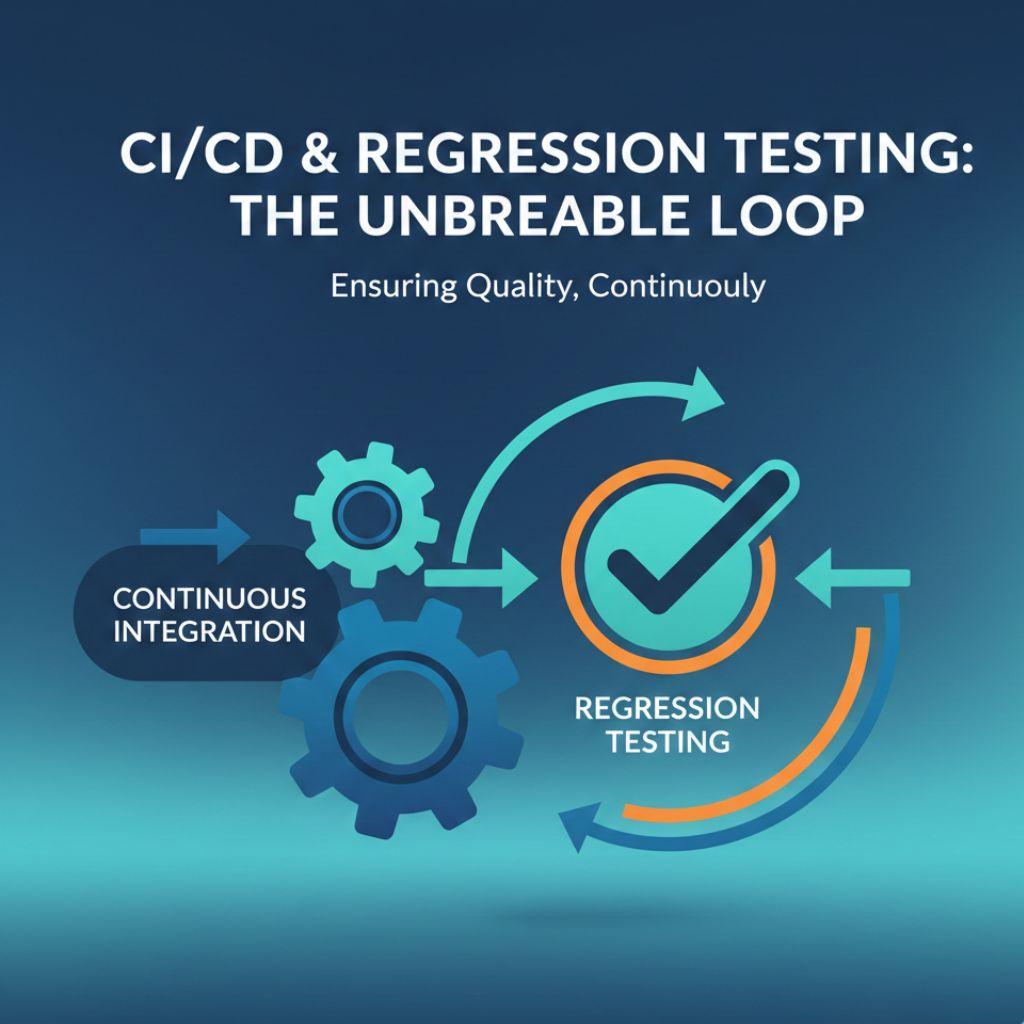
1. Maintains Software Stability
Continuous Integration encourages frequent updates and code merges, making it easier for developers to introduce changes regularly. However, even minor updates can have far-reaching effects on different parts of the system. Regression testing ensures that these updates do not compromise the stability of the application, allowing teams to integrate code confidently without fearing the collapse of key features.
2. Early Detection of Bugs
One of the main advantages of CI is early feedback. Each time developers integrate new code, the CI pipeline runs tests, including regression tests, to identify issues. This early detection allows developers to catch and resolve bugs before they evolve into bigger problems. Regression testing in CI helps prevent the snowball effect, where small errors accumulate and disrupt the entire system, making debugging far more difficult.
3. Continuous Quality Assurance
In a CI environment, software is updated constantly, which means quality assurance (QA) must be continuous as well. Automated regression testing ensures that both new and old functionalities are verified in every integration cycle. This continuous verification process helps maintain a consistent level of quality across the application, providing stakeholders with the assurance that each release is as robust as the last.
4. Prevents Feature Breakage
As developers add new features, it's easy for those changes to conflict with existing functionality. Without regression testing, teams might overlook these conflicts, leading to broken features in production. Regression tests, however, check the entire application’s core functionality to ensure that new code doesn’t interfere with the software's existing features. This prevents regressions (i.e., the unintentional breaking of previously working features).
5. Supports Faster Development Cycles
One of the main goals of CI is to enable rapid development and release cycles. Automated regression tests integrated into the CI pipeline help speed up the process by providing immediate feedback on code quality. Developers can detect and fix issues more quickly, preventing costly delays in the development process. This rapid feedback loop is critical for maintaining the fast-paced nature of modern software development without sacrificing quality.
6. Improves Confidence in Code Changes
With frequent integrations and updates, development teams need to be sure that their changes won’t disrupt the overall application. Regression testing serves as a safety net that builds confidence in the integration process. When a comprehensive suite of regression tests is executed automatically in the CI pipeline, developers can be more confident that their code changes are safe to merge and will not inadvertently break the system.