By utilizing Django's advantages and addressing some of the inherent drawbacks of conventional REST APIs, GraphQL and Django together provide a potent toolkit for contemporary web developers.
Benefits of Using Django with GraphQL:
- Improved Performance and Flexibility: Frontend developers can customize their data requests with GraphQL to precisely meet their requirements. This adaptability improves performance, which is essential for contemporary applications, by reducing the volume of data sent over the network.
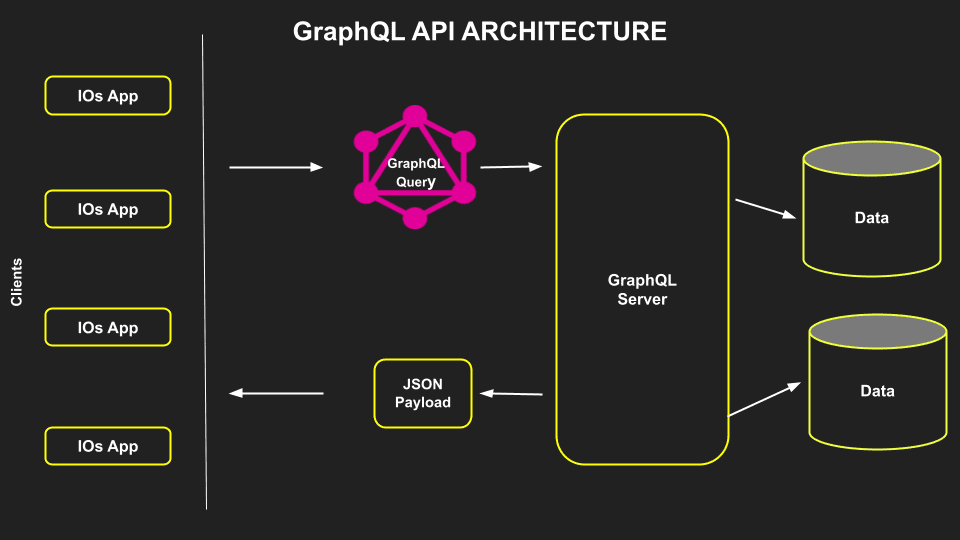
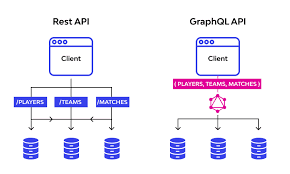
- Streamlined API Management: By using a single endpoint for all data queries, server-side development and maintenance are made easier, freeing up back-end developers to concentrate on creating and refining features rather than managing endpoints.
- By utilizing Django's advantages and addressing some of the inherent drawbacks of conventional REST APIs, GraphQL and Django together provide a potent toolkit for contemporary web developers.
Benefits of Using Django with GraphQL:
- Improved Performance and Flexibility: Frontend developers can customize their data requests with GraphQL to precisely meet their requirements. This adaptability improves performance, which is essential for contemporary applications, by reducing the volume of data sent over the network.
- Streamlined API Management: By using a single endpoint for all data queries, server-side development and maintenance are made easier, freeing up back-end developers to concentrate on creating and refining features rather than managing endpoints.