- Disconnected HR tools create inefficiencies; integrated HRM platforms streamline operations and decisions.
- Custom HRM software connects workflows, improves visibility, and scales people management effectively.
Advanced HRM Software for Growing Teams
1 min read
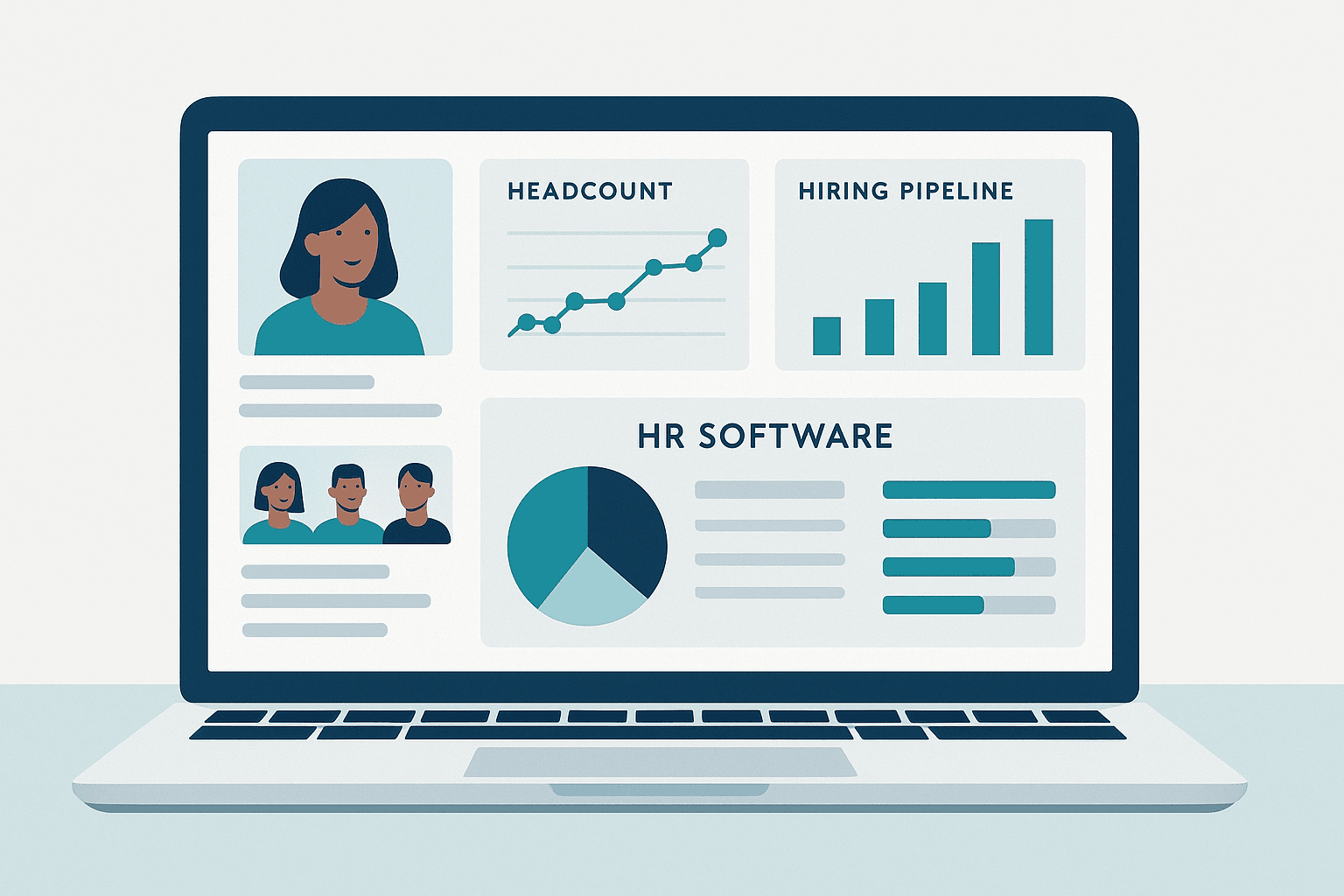
Picture your week for a second.
You are switching between spreadsheets, a recruitment portal, a payroll app, a learning tool, and a shared inbox just to answer one simple question:
“How is my team actually doing?”
Most HR leaders I talk to describe the same chaos. Systems do not talk to each other. Data is duplicated. Managers chase HR for updates that should be self-serve. Meanwhile, hiring deadlines slip and compliance risks quietly pile up.
You are not alone. Studies show that many companies now juggle ten or more different HR tools, which makes processes slower and decisions harder instead of easier.
That is where HRM software development comes in.
Instead of adding yet another app, you design one connected HR backbone that matches how your business works. With the right approach to HRM software development, you move from firefighting to running a predictable, data-driven people operation. And with a partner like Mediusware, backed by 120+ engineers and 750+ clients, you are not experimenting. You are building on experience.
In this guide, we will walk through what modern HRM software development looks like, how it compares to disconnected tools, and how the different HRM modules work together across the full employee lifecycle.
Why growing teams outgrow disconnected HR tools
When your team was small, spreadsheets and a couple of SaaS tools were fine. But as headcount rises, issues appear fast:
- Recruitment data is in one system, payroll in another, performance reviews in a third.
- Leaders cannot see a single, up-to-date view of people, skills, and costs.
- HR spends hours on manual data entry and “Can you pull this report?” requests.
Gartner reports that almost half of HR leaders plan to increase their HR technology budget, yet many say the tools they buy do not actually reduce HR operating costs because they are fragmented and underused.
What this really means is that adding more apps is not the answer.
Designing a connected platform through HRM software development is.
Disconnected tools vs integrated HRM platform
|
Column 1 |
Disconnected HR tools |
Integrated HRM platform built for you |
|
Data |
Spread across multiple apps and sheets |
Central employee record for all modules |
|
User experience |
Different logins and interfaces |
One portal for HR, managers, and employees |
|
Reporting |
Manual exports and Excel work |
Real-time dashboards and HR analytics |
|
Compliance |
Policy updates are hard to enforce |
Rules built into workflows and approvals |
|
Scalability |
Every new process needs another tool |
Add new modules to the same platform |
As HR tech analyst Josh Bersin puts it -
The problem is not a lack of HR technology, it is the overload of systems that do not work together.
What HRM software development means in practice
At a simple level, HRM software development is the end-to-end process of analyzing your people's operations, designing the right workflows, and building the HR platform that supports them.
Think of a growing company with 300 employees across 3 locations. Today, they use separate tools for recruitment, time tracking, payroll, and learning. When they open a new office, it takes months to onboard people, align policies, and keep data clean.
By investing in HRM software development, they build a single HRM system that:
- Stores all employee data in one secure place.
- Connects recruitment, onboarding, payroll, performance, and learning.
- Gives employees self-service access for leave, benefits, and updates.
- Provides leadership with live dashboards on headcount, costs, and risk.
Instead of asking “Which system has that information?”, managers log into one platform and get answers in seconds.

HRM development solutions we offer
Mediusware’s HRM projects typically combine several modules into one coherent platform. Here is how the main pieces align with the sections on your HRM services page.
1. Human Resource Management Systems
A core HRM system is the heart of your platform. It keeps a single, accurate record of every employee, from job details and contracts to salary history and documents.
For Example, an HR manager updates a promotion once, and the change flows automatically to org charts, payroll, and reporting instead of being edited in three separate tools.
2. Recruitment and Onboarding Software
Recruiting is no longer just posting jobs. You need structured pipelines, interview feedback, and a seamless first day.
Custom recruitment and onboarding software lets you:
- Publish jobs to multiple boards.
- Track candidates through stages with clear ownership.
- Generate offers and digital contracts.
- Trigger onboarding workflows on acceptance.
New hires arrive on day one with accounts created, documents signed, and training ready in their portal.
3. Workforce Management Platforms
As teams scale, scheduling and workload planning become complex. Workforce management platforms help you match people, skills, and shifts to real demand.
For example, a services company can forecast busy periods, assign staff, and manage leave without resorting to last-minute calls or overtime chaos.
4. Training and Education Solutions
Upskilling is one of the top priorities for HR in 2025.
Integrated training and education solutions connect learning directly to roles and performance:
- Learning management systems for courses and certifications.
- Role-based learning paths for new managers or technical staff.
- Completion tracking that feeds into performance reviews.
Instead of separate e-learning tools, learning becomes a visible, measurable part of everyday work.
5. Talent Management Software
Talent management modules focus on growth, feedback, and retention. They support:
- Goal setting and OKRs.
- Continuous feedback and 360 reviews.
- Career paths and succession plans.
For Example, a high-potential engineer’s goals, feedback, and training history live in one place, so HR and leadership can clearly see their readiness for the next role.
6. Business Intelligence Tools for HRM
Raw data is not enough. HR needs insights.
HR business intelligence tools sit on top of your HRM database and translate activity into dashboards and alerts, such as:
- Turnover trends by team or location.
- Pay equity analysis.
- Time to hire by role.
- Training impact on performance or retention.
Mercer notes that nearly half of HR leaders plan to increase investment in HR analytics technology, reflecting how critical this layer has become.
7. Employee Self-Service Software
If your HR team still answers basic questions like “How many vacation days do I have left?”, your platform is underused.
Employee self-service portals give people control over:
- Personal data and documents.
- Time-off requests.
- Payslips and tax forms.
- Benefits enrollment.
This reduces repetitive tickets and improves employee trust, because information is transparent and always available.
8. Employee Engagement
Engagement tools bring voice and sentiment into your HRM platform:
- Pulse surveys and engagement scores.
- Anonymous feedback channels.
- Action dashboards for managers.
When engagement, performance, and turnover data live together, you can spot issues early and test whether your actions actually work.
9. Succession Planning
Succession planning software maps critical roles and future successors, using data from performance, skills, and potential assessments.
Instead of guessing when a senior leader announces a move, you already know who is ready, what skills are missing, and what development is needed.
10. Applicant Tracking Systems
If you prefer to keep your recruitment workflow modular, a custom applicant tracking system (ATS) can still integrate with the rest of your HRM platform.
An ATS built through HRM software development can handle multi-stage pipelines, structured interviews, and automated communication, while feeding hired candidates straight into core HR.
11. Compliance Management
Compliance is no longer just about storing documents. Regulations around data privacy, labor laws, and workplace safety keep changing.
Compliance management modules can:
- Track policy acknowledgements.
- Automate reminders for expiring documents or certifications.
- Log incidents and corrective actions.
- Store audit-ready records.
This dramatically reduces the risk of fines or reputational damage.
12. Payroll Processing
Payroll must be accurate, on time, and aligned with local rules. Integrating payroll into your HRM platform avoids messy file exports and last-minute corrections.
For Example, Overtime approved in your workforce management module flows directly into payroll, with taxes and benefits calculated automatically.
13. Benefits Administration
Benefits administration tools manage eligibility, enrollment windows, and communication. Employees see exactly what they are entitled to, and HR gets clean data for providers and accounting.
14. Time and Attendance Tracking
Time and attendance tracking is essential for many industries. When integrated with scheduling and payroll, it guarantees that people are paid correctly for the time they actually worked, not what someone typed into a spreadsheet.
15. Other Custom HR Applications
Every organization has unique needs. Custom HR applications might cover internal mobility marketplaces, contractor management, or specialized incentive plans.
The advantage of bespoke HRM software development is that these extras do not become separate islands, they extend the same platform and data model.
How advanced HRM software pays off
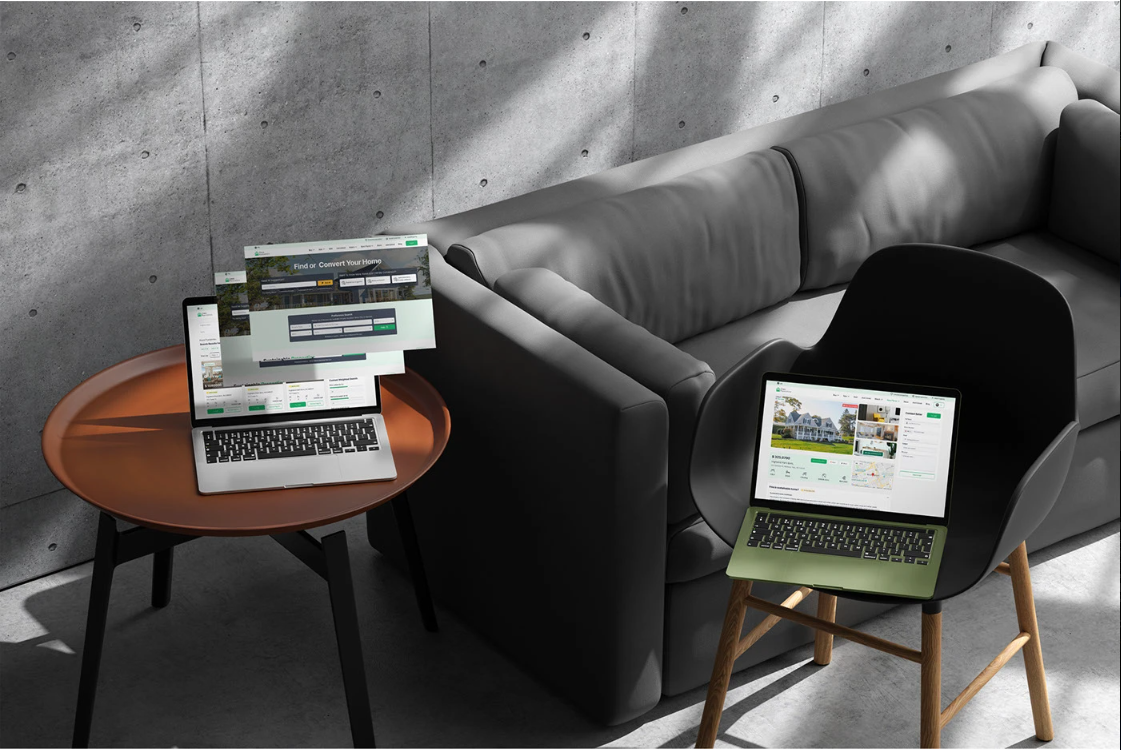
When all of these modules work together, you get a few big wins:
- Faster decisions. Leaders see real-time headcount, costs, and risks.
- Less admin. HR can focus on strategy instead of manual updates.
- Better employee experience. People self-serve, learn, and grow in one place.
- Stronger compliance. Rules and approvals are built into workflows.
- Scalability. Opening a new location or business line becomes a configuration task, not a six-month scramble.
For many clients, the biggest benefit is invisible from the outside. The HR team finally has the tools to match the expectations placed on them.
Choosing the right HRM development partner
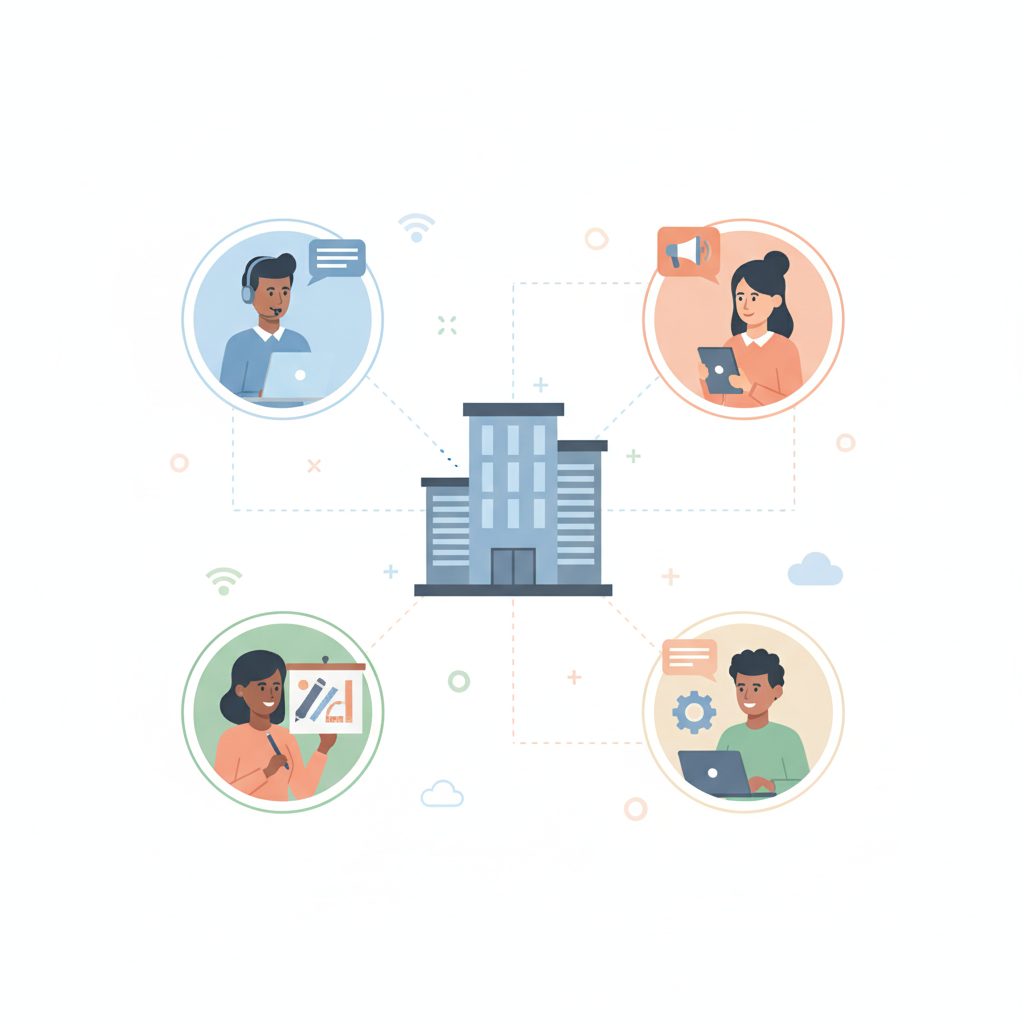
Good HRM software development is not just coding. It starts with listening.
A strong partner will:
- Map your current processes and pain points.
- Prioritize quick wins that deliver visible value.
- Design a modular architecture so you can add features over time.
- Build with security, privacy, and integration in mind.
At Mediusware, our teams have delivered HRM platforms across industries, combining core HR, payroll, talent, learning, and analytics on modern stacks like React, Laravel, and cloud-native APIs. That experience means we already know many of the traps to avoid and patterns that work.
Final thoughts and next steps
If you feel like your HR tools are running you, not the other way around, it is probably time to rethink the foundation. Integrated HRM software development gives you one platform for hiring, managing, paying, and growing your people, with data you can actually trust.
If you want to explore what this could look like for your organization, start with a simple question:
“If I had one connected HR system, what would I want to see on my dashboard every morning?”
List those answers, then work backward into the modules and workflows you need.
And if you would like a second brain on that process, the Mediusware team is always happy to walk through real examples, architecture options, and implementation timelines. Reach out, share where you are today, and we can sketch what a smarter HRM platform could look like for your growing team.
Frequently Asked Questions
HRM software is an integrated platform that connects core HR, recruitment, payroll, time tracking, performance, and analytics. Basic tools usually handle just one part of the process, which means more manual work and scattered data.

Hey, I’m an HR Manager dedicated to creating a smooth, supportive, and high-performing workplace. I focus on employee experience, efficient HR processes, and fostering a culture where teams grow and thrive. I’m always exploring new HR tools and modern people-management strategies to keep improving.
Featureblogs
Relatedblogs
01
Integrating Redux with React: A Comprehensive Guide02
Laravel pagination and filtering with already loaded data as array in memory03
React + Three.js + React Three Fiber: Crafting Interactive 3D views in Web Applications04
Advanced Caching Strategies for Django Applications05
Implementing Roles and Permissions in Laravel Using Guard-Laravel