- Wireframes act as a blueprint so you can focus on structure and functionality before visuals.
- They help you design smoother user journeys and more intuitive navigation.
- Wireframes make feedback and iteration faster, which saves time and cost later in development.
- They align designers, developers, and stakeholders around the same layout and user flow from the start.
Why We Should Begin Our Design Process with Wireframes?
5 min read
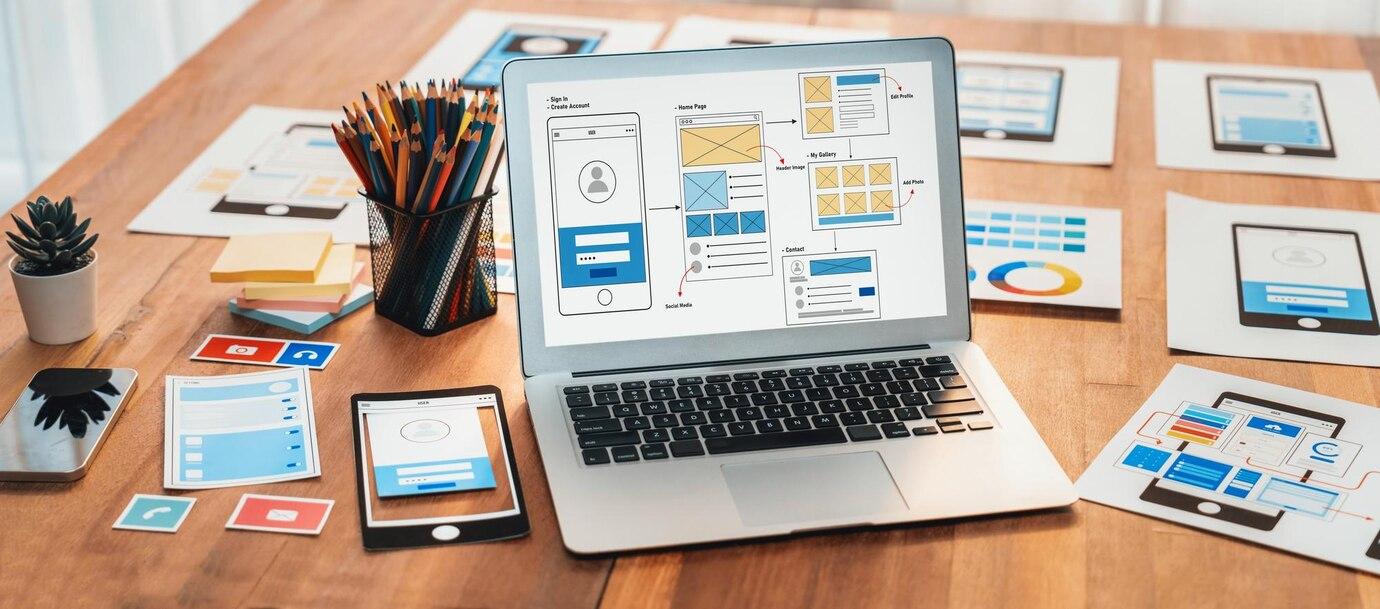
Setting the Stage for Successful Design
In the design world, it's easy to get excited about colors, images, and polished layouts. However, jumping straight into high-fidelity designs can lead to misunderstandings and missed opportunities for a great user experience.
That’s where wireframes come in. They act as a foundational blueprint, allowing designers to focus on the structure and functionality of a project before diving into the finer details.
In this blog, we’ll discuss the key reasons why wireframing is essential and provide real-world examples of how it can solve common design challenges.
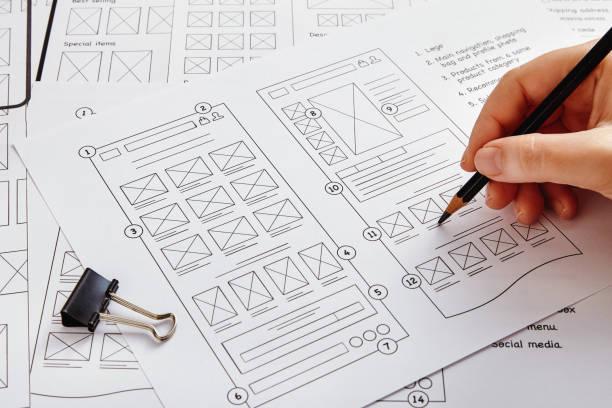
Clear Structure
Wireframes give a straightforward visual guide of your layout. They help clarify how different elements will be arranged, which makes it easier to communicate your design vision and make informed decisions.
User Experience Focus
Starting with wireframes means you can prioritize how users will interact with your design. This approach helps ensure that navigation is smooth and intuitive, allowing users to achieve their goals effortlessly.
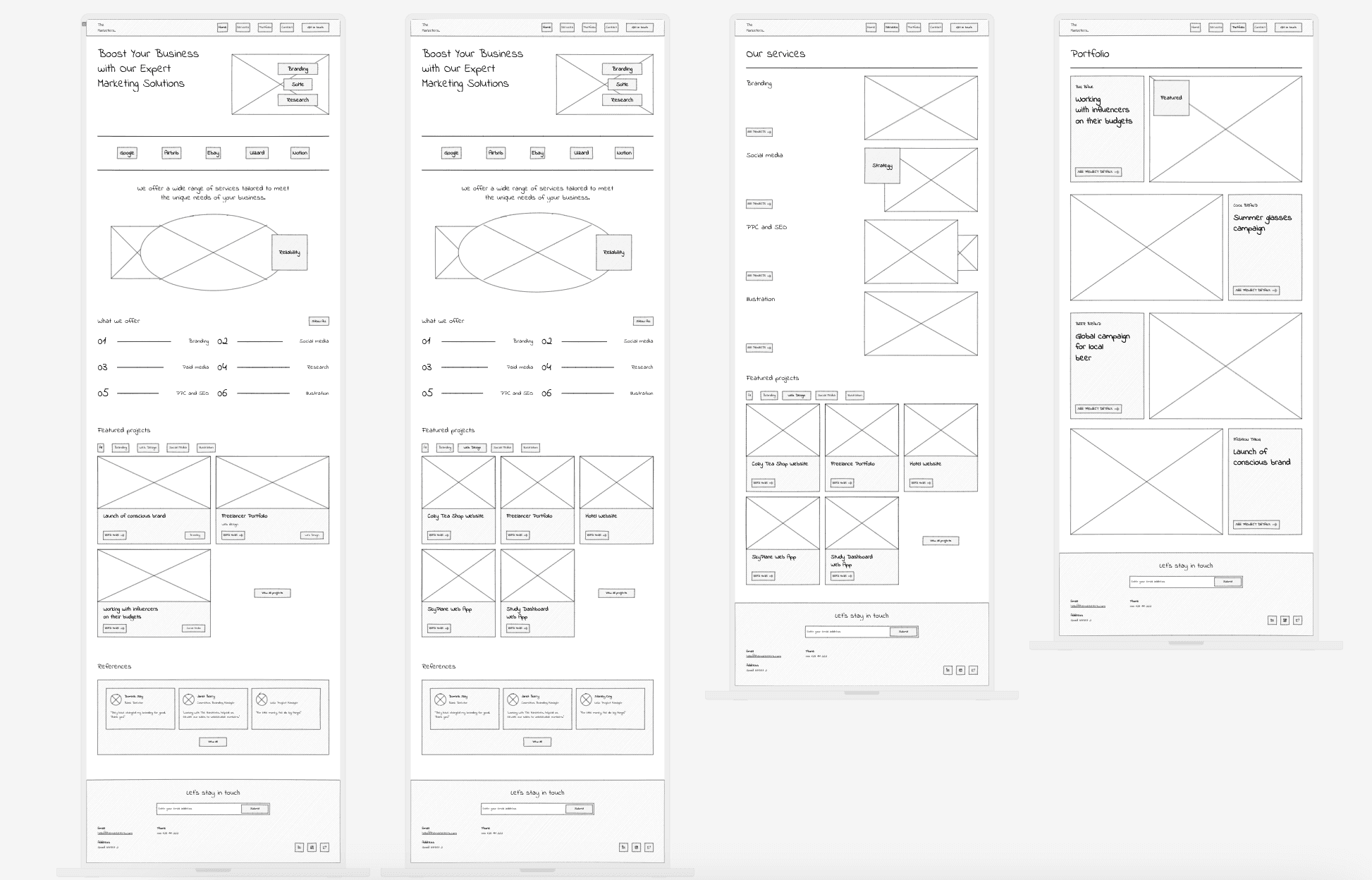
Efficient Iteration
Wireframes are quick to create and easy to modify. This flexibility encourages you to gather feedback and make changes early in the process, ensuring that the design evolves based on actual needs rather than assumptions.
Alignment Among Stakeholders
Having a wireframe creates a shared reference point for everyone involved designers, developers, and stakeholders. This common understanding helps prevent miscommunications and keeps the project aligned with its goals.

Time and Cost Savings
Identifying design flaws during the wireframing phase can save both time and money later on. By addressing potential issues upfront, you can avoid expensive revisions during the development stage.

Problem-Solving Examples
1. Navigation Confusion
During the wireframing stage, a design team realized their navigation structure was complicated. By visualizing it in wireframes, they identified a better layout that made the menu more intuitive, greatly enhancing user experience.
2. Content Arrangement Issues
A client wanted several sections on their homepage, but the team struggled with how to organize them. Wireframing allowed them to explore different layouts, ultimately leading to a clearer presentation of information that improved engagement.
3. User Flow Challenges
While wireframing a user sign-up process, designers discovered that several steps were overly complicated. By mapping out the user flow, they were able to simplify the process, reducing the number of users who abandoned it and improving overall satisfaction.
Final Thoughts: Why Wireframes Should Come First
Beginning your design process with wireframes is a smart move that can enhance clarity, efficiency, and focus throughout your project. By centering on structure and functionality, you build a solid base for creating user-friendly designs.
Wireframes not only streamline communication among team members but also save time and resources down the line. By adopting this practice, you’ll be better equipped to create effective designs that meet user needs and achieve business goals.
Frequently Asked Questions
They provide a shared reference point, aligning designers, developers, and stakeholders on the project vision.

We are the Mediusware Editorial Team, passionate about crafting insightful content on technology, software development, and industry trends. Our mission is to inform, inspire, and engage our audience with well-researched articles and thought leadership pieces. With a deep understanding of the tech landscape, we aim to be a trusted source of knowledge for professionals and enthusiasts alike.
Featureblogs
Relatedblogs
01
The Role of Psychology in UI/UX Design: How 'Understanding Human Behavior' Shapes Better Experiences02
From Bugs to Beauty: Integrating UI/UX Testing into Software Quality Assurance03
How to Conduct a UX Audit & Its Benefits04
Emotional Design in UX05
Ultimate Guide to Color in UX/UI Design: Enhancing Experiences Through Visual Harmony