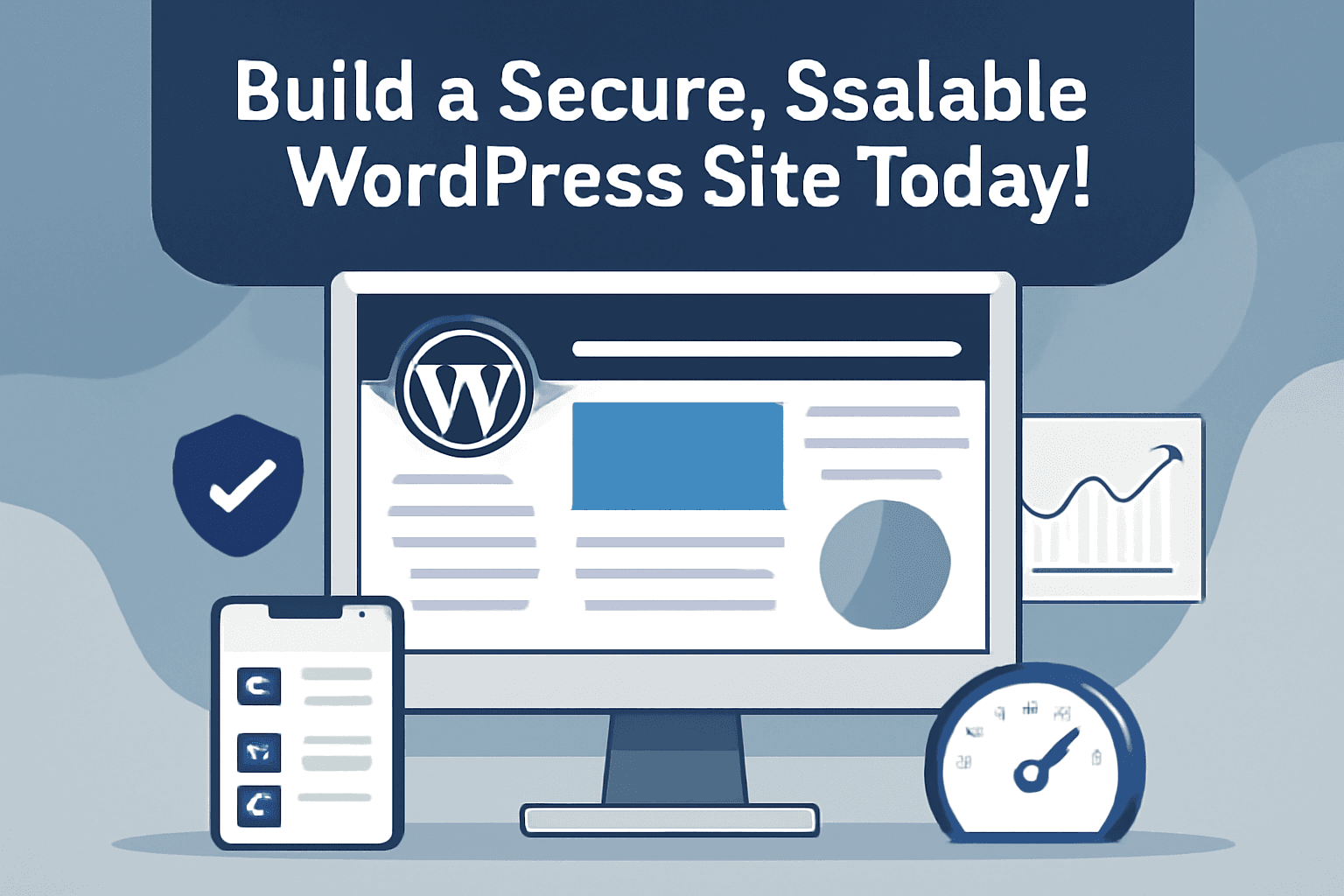
Before diving into the actual design, conduct market research to inform your UI/UX decisions. Utilize tools like Figma or Adobe XD to create wireframes and prototypes based on insights from competitors and industry standards. This preliminary design phase allows you to visualize your layout and functionality, ensuring a user-centric approach.
Once you finalize your design, conduct an audit to ensure it meets your branding, usability, and accessibility goals. Following the audit, implement your design using a page builder plugin like Elementor or Divi. These plugins are ideal for enterprise-level websites due to their extensive customization options, ability to add custom CSS, and user-friendly interfaces that require little to no technical knowledge.

This accessibility opens the door for team members with varying skill levels to manage and update the website easily. Regularly updating content based on current trends not only keeps your site fresh but also boosts its visibility and engagement online. This flexibility in design and content management is essential for maintaining a robust online presence, reflecting the dynamic nature of an enterprise-level business.
This addition emphasizes the importance of research, planning, and using versatile tools to enhance the website's design and maintainability.