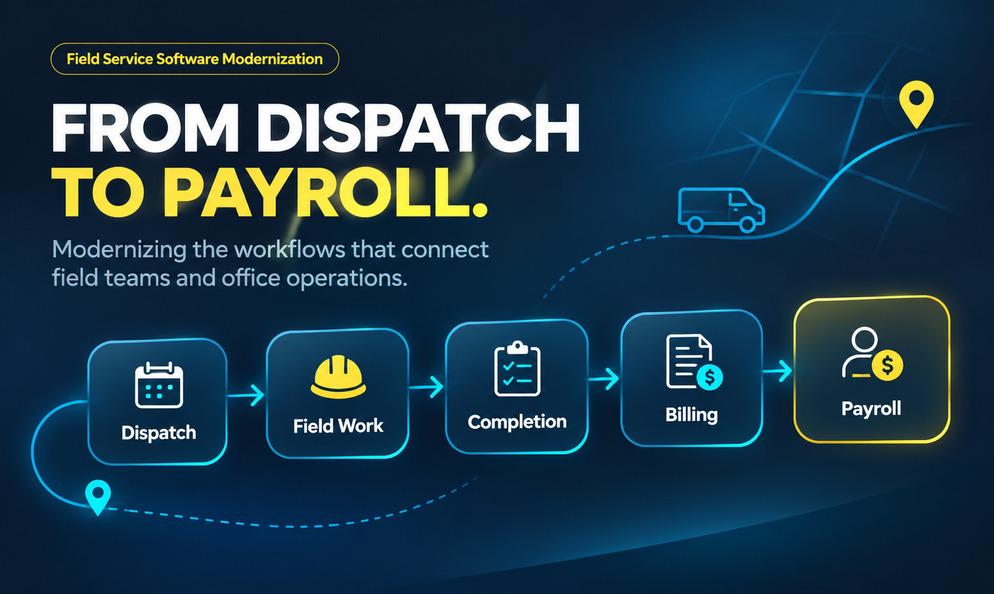
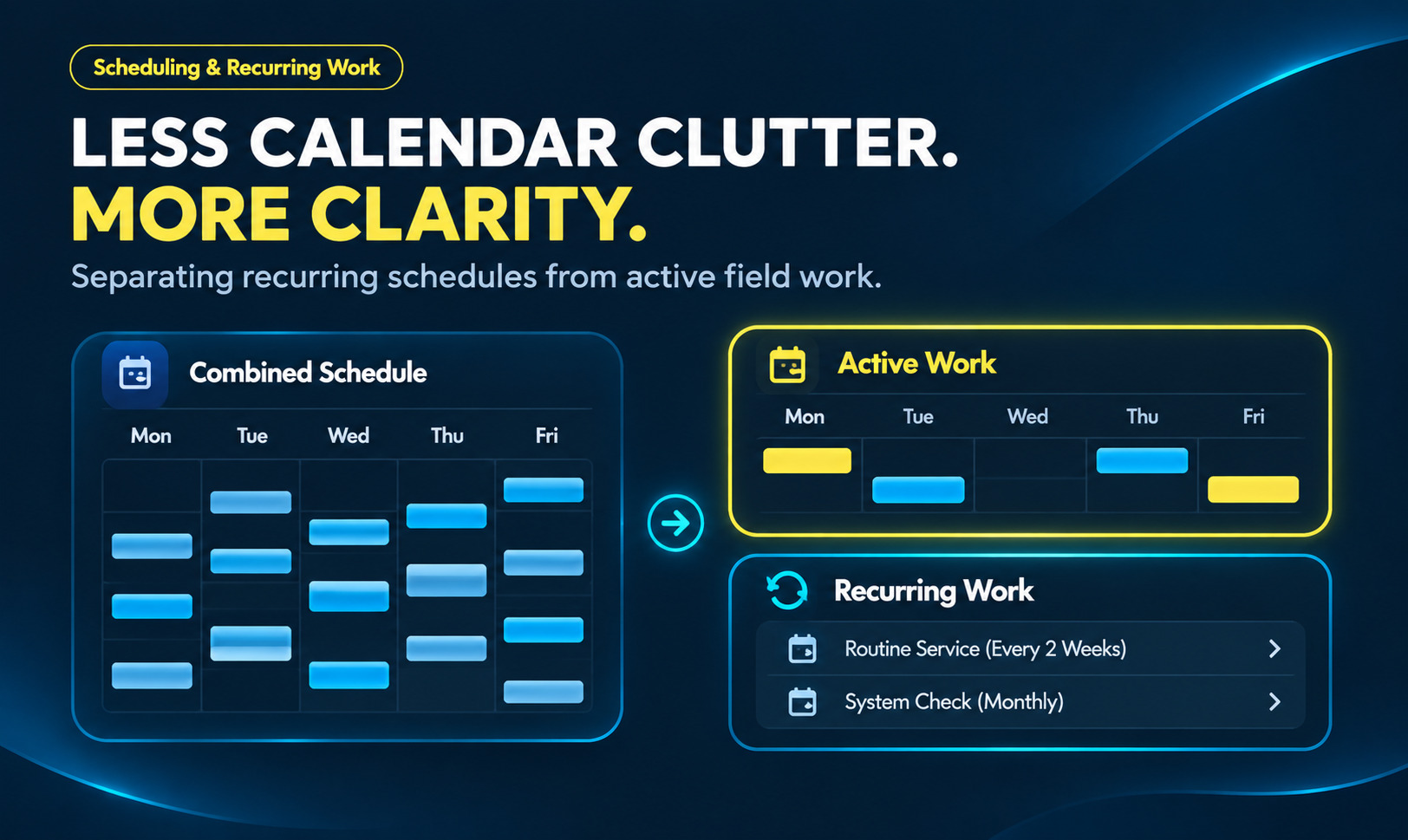
Mediusware's documented contribution covered legacy assessment, architecture modernization, UX and workflow redesign, Version 2 web engineering, companion mobile development, integration-related work, and QA/release preparation.
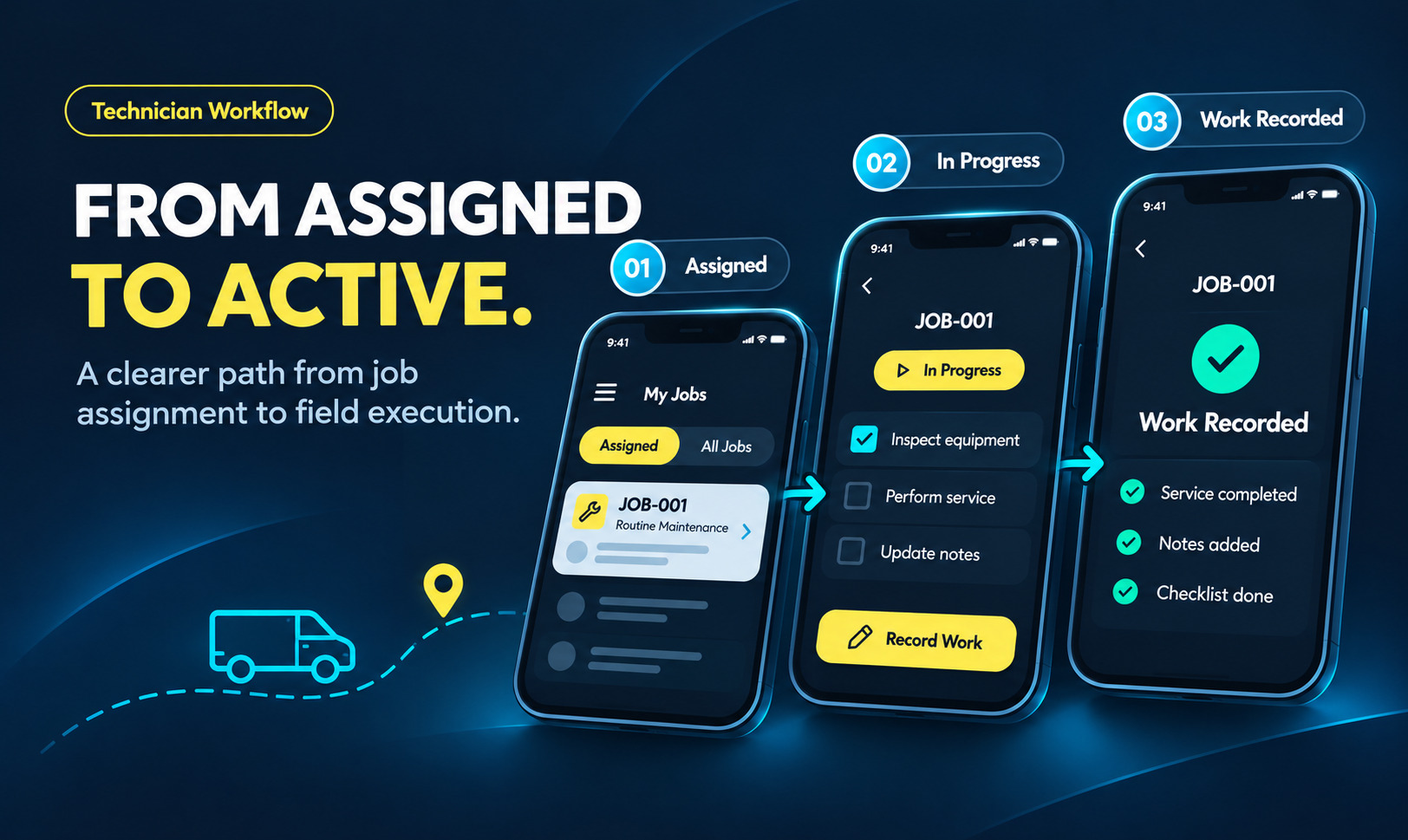
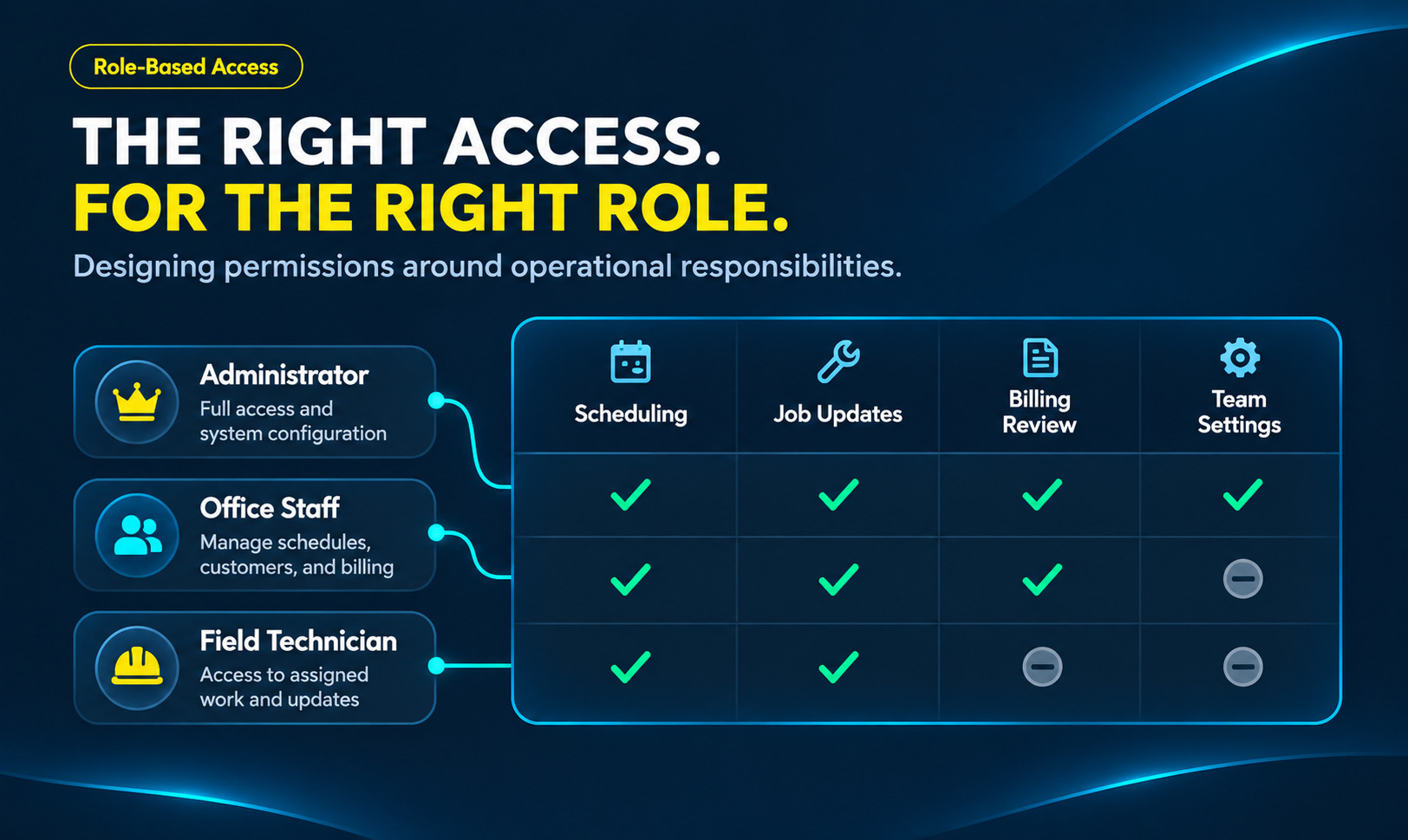
Office teams needed broad control over scheduling, people, reports, and billing; mobile focused on assigned work, job details, time, and notifications.
This was not a product invented from zero. The legacy application supplied business rules that the new foundation needed to preserve.
The scope aligns with the wider disciplines involved in custom software development, but the original project record not a general service page is the evidence for what the team worked on here.
Preparing a Controlled Release
Modernization does not end when a build works in a test environment. Moving users and critical operations requires careful separation between development milestones and commercial availability.
The recorded release strategy called for keeping the legacy application available, testing Version 2 separately, obtaining client approval, then handling domain/user migration and mobile releases in stages.
The evidence supports an operational Version 2 web environment and companion iOS builds reaching client testing.
It does not confirm that production migration, Android release, or a complete commercial rollout had occurred. As of the documented September review, the approved iOS app was still connected to staging.
Building, validating, and migrating are separate delivery milestones.