- Five reasons MVP launches slow: scope, validation, process, team, tech decisions.
- Learn strategies to accelerate SaaS MVP delivery and gain early feedback.
Why Seed-Stage SaaS Startups Struggle to Ship Fast
1 min read
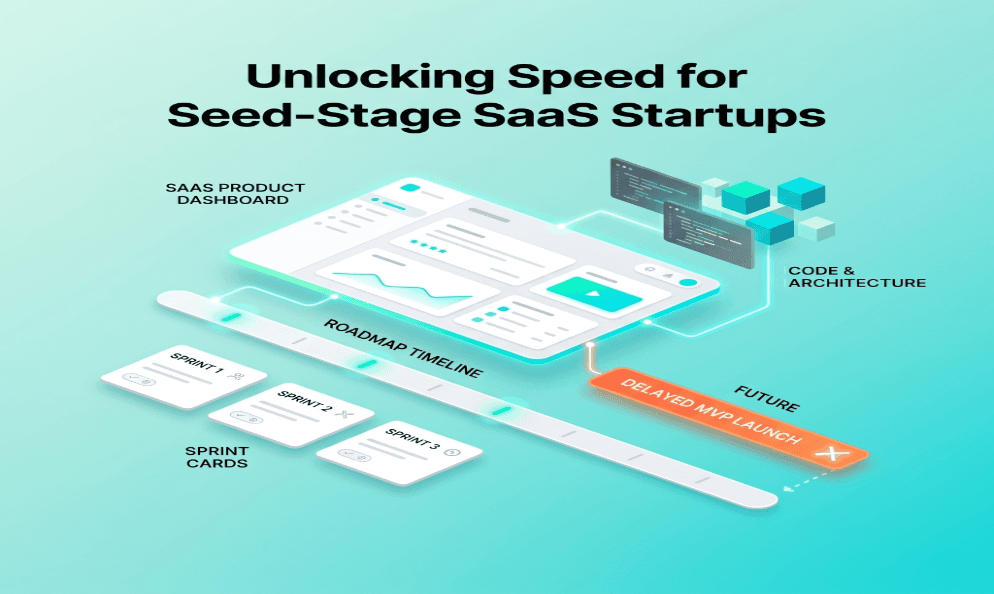
Shipping software fast is harder than most seed-stage founders expect.
Many MVPs miss deadlines, budgets spiral, and critical early feedback is delayed.
The reality?
Execution problems, not bad ideas, are the top cause of slow SaaS launches.
According to SaaS Founder Insights,
Most startups don’t fail because of bad ideas. They fail because they take too long to ship something users actually need.
Core Reasons Seed SaaS Struggles to Ship Fast
| Factor | Typical Delay Impact | How to Avoid |
| Scope Creep | 2–4 weeks | Define MVP scope, freeze features early |
| Validation Delay | 1–3 weeks | Conduct user interviews and prototype testing |
| Architecture Mistakes | 1–2 weeks | Plan scalable systems upfront |
| Team Bottlenecks | 1–3 weeks | Lean engineering or outsource via dedicated teams |
5 Reasons Seed-Stage SaaS Startups Struggle to Ship Fast
1. Misaligned Expectations vs. Product Reality
- Founders assume modern tools mean faster timelines.
- Reality: planned schedules are often optimistic; (6–10) week projects frequently take (8–16+) weeks.
- Extra sentence: Aligning expectations with real-world constraints helps teams avoid unnecessary pressure and wasted effort.
2. Scope Creep & Feature Expansion
- Adding features without prioritization delays delivery.
- Every new requirement adds planning, testing, QA, and deployment work.
- Extra sentence: Freezing the MVP scope early ensures the team focuses on the core value.
3. Building Before Validating
- Teams often code features before confirming user need.
- Lean validation cycles prevent wasted development and accelerate learning.
- Extra sentence: Validating first creates a feedback loop that guides development efficiently.
4. Lack of Process Discipline
- No roadmap, inconsistent sprints, unclear task ownership = slow progress.
- Execution bandwidth, hiring drag, and founder multitasking exacerbate delays.
- Extra sentence: Strong processes and ownership clarity directly improve velocity and reduce bottlenecks.
5. Architecture & Tech Decisions
- Early tech choices without foresight create technical debt.
- Slows feature releases if not planned for scaling.
- Extra sentence: Planning scalable architecture early prevents costly rework and ensures sustainable growth.

Market Reality: MVPs Fail Without Validation
Did you know?
- ~43% of startups fail due to lack of product-market fit.
- Typical MVP timelines: 4–8 weeks for simple builds, 12–16+ weeks for broader functionality.
- Founders over-engineer instead of validating first.

How Mediusware Helps Seed SaaS Ship Faster?
At Mediusware, we help startups launch MVPs quickly without sacrificing quality or scale.
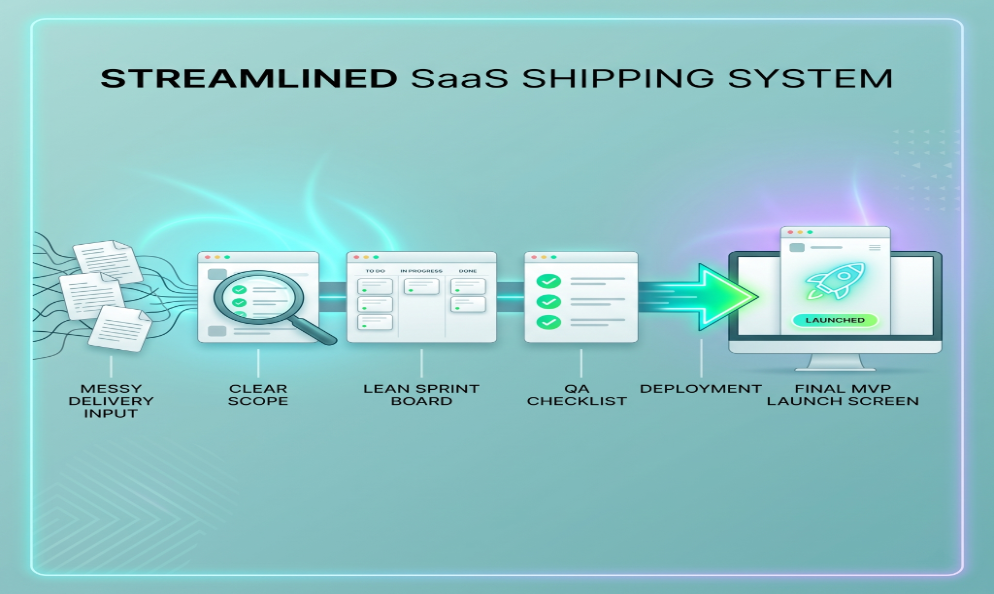
Our solutions include:
- SaaS MVP in 30 Days: Build lean MVPs with rapid validation.
- Dedicated Development Teams: Scale engineering without hiring chaos.
- AI Automation: Automate repetitive tasks to accelerate shipping.
Case studies:
1. Bulk.ly – Social Media Management Platform
Launched fast with automation and lean engineering.
2. CRM Runner – Business Management Platform
Streamlined MVP delivery through structured processes.
3. Vida Projects – Project Management Platform
Enabled rapid iteration without growing internal teams.
Key Takeaways
- Shipping fast isn’t about tools: it’s about discipline, scope control, and validation.
- Real delays happen before code is written: planning, validation, and scope freeze matter more than tech.
- Focus on user feedback cycles over building the perfect product.
- With the right approach, lean MVPs can ship in 4–8 weeks while still enabling scalable growth.
Final Thoughts
Shipping fast isn’t just about coding, it’s about aligning expectations, prioritizing features, and validating ideas early.
The five reasons we covered highlight the key blockers every seed-stage SaaS team faces.
By focusing on discipline, lean validation, and clear processes, founders can accelerate MVP launches and start learning from real users sooner.
Frequently Asked Questions
Most delays happen because the team builds too much too early. Unclear scope, weak validation, hiring gaps, and rushed tech decisions slow everything down.

I work at the point where product decisions, system architecture, and engineering execution meet. At Mediusware, I’m accountable for how technology choices affect reliability, scale, and long-term delivery for our clients.
Featureblogs
Relatedblogs
01
Introduction to System Design | System Design Course Pro | Part 102
The Art of Simplicity - How Minimalism Improved UI/UX Design03
The Software Development Life Cycle (SDLC): A Complete Guide04
Which Approach Is Best for Your Software Development Team: Scrum vs. Kanban05
How to adapt the Agile process to modern software developmentAuthorblogs
01
How Digital Agencies Can Deliver Custom Software Without Hiring Developers02
AI in FinTech: Build, Buy, or Integrate? A Founder's Decision Framework03
How to Choose a SaaS MVP Development Company04
How Seed-Stage SaaS Teams Add Engineering Capacity Without Hiring Chaos05
What Happens When You Delay Your MVP Launch