-
Technical skills get you hired, but strong communication is what accelerates promotions and higher pay.
-
Four pillars of communication matter most for engineers: active listening, clarity, writing, and verbal skills.
-
Miscommunication leads to defects, rework, and missed opportunities, while good communication builds trust and leadership potential.
-
Engineers who communicate well stand out in teams, handle clients better, and are more likely to succeed as entrepreneurs.
The Key Skill That Can Make You a Highly-Paid Software Engineer
10 min read

Introduction
In the world of software engineering, we often hear that technical skills are the most important asset for success.
While technical expertise is undoubtedly essential, many software engineers overlook a vital skill that has the potential to transform their careers and significantly impact their earnings: communication.
Let’s dive into how communication became the defining skill in my career journey and how mastering it could elevate your own.
In the tech industry, we often talk about technical skills as the primary driver of success. However, while technical proficiency is essential, it’s not the sole key to career advancement or financial growth. In fact, communication is one of the most undervalued yet powerful skills that can set you apart from other software engineers.
This blog will break down why communication matters in software engineering, the four pillars of effective communication, and practical tips on mastering each.
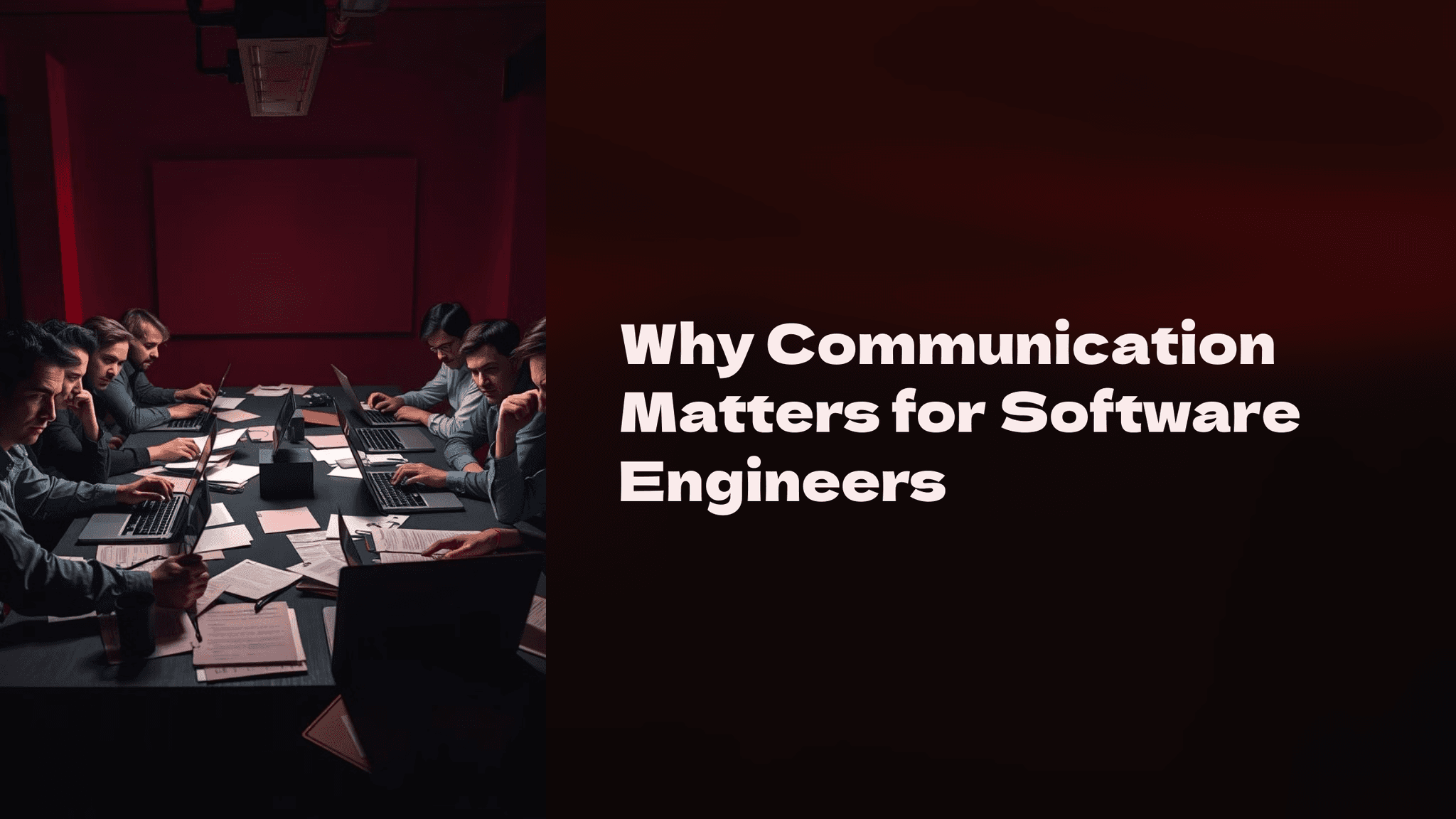
Why Communication Matters for Software Engineers
As a software engineer, you might think your primary responsibility is coding, debugging, and building robust software. But consider this: engineering isn’t a solitary activity, and almost every phase of a project requires some form of communication, whether it’s collaborating with teammates, discussing requirements with stakeholders, or explaining complex solutions to non-technical clients. Here’s why communication is critical:
- Effective Team Collaboration
Poor communication leads to misunderstandings, wasted time, and rework, which ultimately affects project deadlines and quality. Strong communicators can align their team’s goals, identify and resolve issues faster, and foster a collaborative work environment. - Career Advancement
According to senior industry leaders, 75% of long-term job success depends on people skills, including communication. Communicating effectively with clients, managers, and team members positions you as someone reliable and approachable—traits that are often rewarded with promotions and leadership roles. - Increased Salary Potential
Engineers with strong communication skills are in a better position to negotiate their salaries and even secure higher-paying opportunities. Engineers who excel in soft skills like communication earn about 7% more on average compared to those who do not.
The Four Pillars of Communication for Software Engineers
Mastering communication isn’t just about talking more or sounding smart. It’s about conveying information effectively. Below are the four essential pillars of communication and practical strategies to improve each.
1. Active Listening
Active listening is about giving your undivided attention, truly understanding what the other person is saying, and responding thoughtfully. It helps build trust and avoids misunderstandings, which are common in complex technical discussions.
How to Improve Active Listening:
- Focus on the Speaker: When someone is talking, put aside distractions like your phone or computer. Make eye contact, nod to show understanding, and avoid interrupting.
- Ask Clarifying Questions: Encourage the other person to elaborate if something isn’t clear. This shows you’re engaged and committed to understanding their point.
- Summarize and Reflect Back: After they finish, paraphrase what they said to confirm you’ve understood correctly. For example, “So, if I’m hearing you correctly, the issue is with the API rate limits?”
2. Clarity and Conciseness
In the fast-paced world of software development, clear and concise communication can save hours of time. Clarity means using simple, direct language that’s easy to understand, while conciseness involves getting to the point without unnecessary jargon or lengthy explanations.
How to Be Clear and Concise:
- Know Your Audience: Tailor your message to the listener’s technical background. For non-technical stakeholders, avoid jargon and explain in simple terms. For technical colleagues, focus on critical details.
- Use Simple Language: Keep it straightforward. Instead of saying, “The implementation leverages REST principles,” you could say, “We’re using RESTful APIs to handle data.”
- Organize Your Thoughts: Before speaking, structure your information logically. Present the main point first, followed by supporting details if needed.
- Pause for Questions: Allow listeners time to process and ask questions if they need clarification.
3. Written Communication
Asynchronous communication, like emails and documentation, is vital for software engineers. Written communication allows for a clear record of ideas, decisions, and instructions, making it essential for documentation, reporting, and everyday team interactions.
Tips for Better Written Communication:
- Use Clear Subject Lines: For emails or messages, summarize the content in the subject line so readers know what to expect. Example: “Database Optimization Task: Priority for This Week.”
- Organize Content with Bullet Points or Headings: Instead of long paragraphs, break down tasks, issues, or steps into bullet points for easy reading.
- Proofread and Edit: Before sending, check for clarity, grammar, and spelling. Ensure the message is as clear as possible to avoid misunderstandings.
- Document Thoroughly: Whether it’s code comments, README files, or technical documentation, aim to provide enough information for another developer to understand without needing to ask questions.
4. Verbal or Oral Communication
In meetings or video calls, how you convey ideas matters as much as the content. Being mindful of your tone, pacing, and timing can make your messages clearer and more engaging, fostering better interactions and avoiding confusion.
Tips for Stronger Verbal Communication:
- Choose the Right Time: Ensure that the listener is free to engage. Don’t approach someone who is obviously busy or focused on another task.
- Prepare Key Points in Advance: For important discussions, such as presenting a project update, jot down main points to ensure you cover everything without rambling.
- Use an Appropriate Tone: Aim to sound professional, yet approachable, especially when discussing issues or giving feedback.
- Encourage Questions and Feedback: End with an invitation for questions to confirm that everyone understands and feels included.
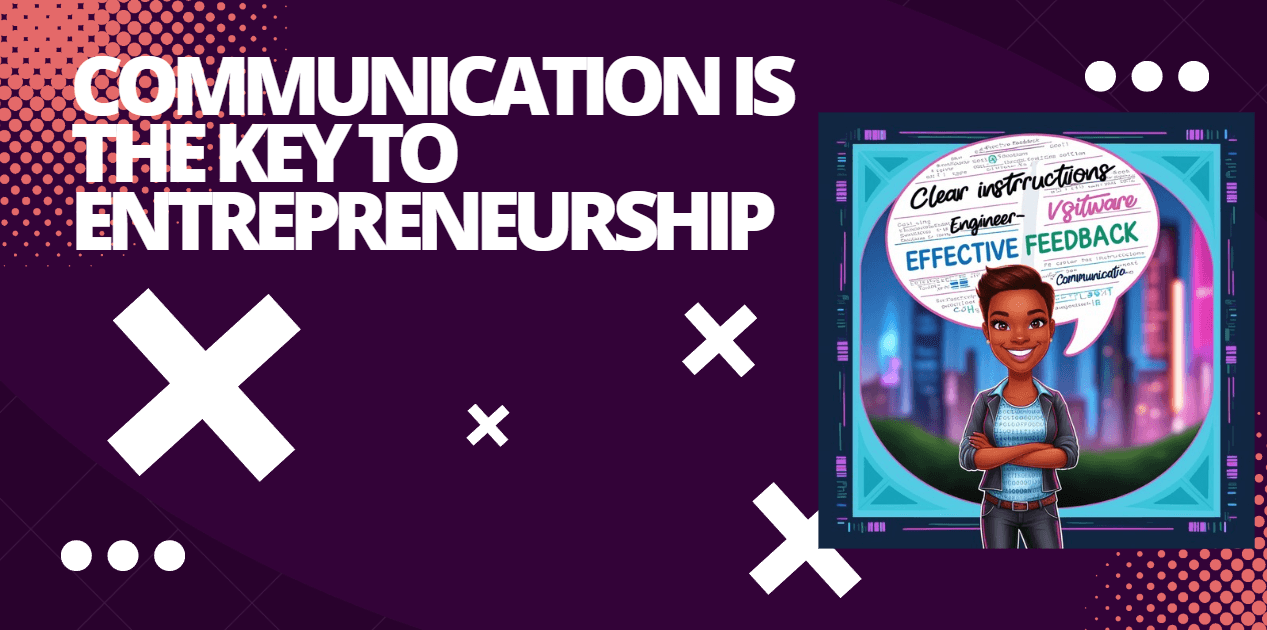
Why Communication Is the Key to Entrepreneurship
For engineers considering entrepreneurship, communication is even more crucial. Success in business largely depends on marketing and sales, both of which require effective communication. You need to articulate your value proposition clearly, negotiate with clients, and lead a team effectively. Every interaction with a customer or team member hinges on the ability to understand, empathize, and communicate ideas persuasively.
Practical Ways to Practice and Improve Communication
Role-Play Scenarios: Practice explaining complex topics to a friend or in a mock interview setting. This helps in refining your message and adapting it for different audiences.
Practice Active Listening in Every Interaction: Whether it’s with friends, family, or colleagues, make an effort to fully listen, summarize, and respond thoughtfully.
Read to Expand Vocabulary and Expression: Reading both technical and non-technical material helps you learn new ways to communicate complex ideas.
Seek Feedback: After presentations or written reports, ask for constructive feedback. It can provide insights on areas you may not be aware of.
Software engineering has traditionally been seen as a highly technical field, where success depends on mastering languages, frameworks, and tools. Because of this emphasis on technical skills, many software engineers overlook communication as a core part of their job. However, communication is more than just a "soft skill"—it's a critical part of delivering successful projects, collaborating effectively with teams, and even progressing in one’s career. Let’s delve into why communication is often undervalued among software engineers and the potential benefits of breaking this cycle.
1. The Misconception That Technical Skills Are All That Matter
In the world of software engineering, there’s often a misconception that being highly skilled technically is enough to excel. Many engineers believe that if they can write efficient, elegant code and solve complex problems, their work will speak for itself. This “code-first” mindset tends to minimize the importance of communication, as engineers may assume their technical work will be the main factor influencing their career trajectory.
The Reality: Technical skills alone rarely lead to leadership roles or significant influence within a company. For engineers to fully convey their ideas, solutions, or technical choices, communication becomes essential. Those who can clearly explain their thought process are better positioned to gain support for their ideas, work effectively within teams, and demonstrate their value to stakeholders.
2. Preference for Working Independently
Software engineering is often appealing to those who enjoy working independently or focusing deeply on complex tasks without frequent interruptions. Many engineers enter the field because it allows for “heads-down” time where they can focus entirely on solving problems. The focus on “hard skills” like coding and problem-solving is part of what draws some individuals to the profession, but it can also contribute to a preference for working in isolation, with limited team communication.
The Reality: While independent work is valuable, collaboration is unavoidable in almost every engineering role, especially as projects scale. Engineers frequently need to coordinate with other developers, product managers, designers, and even clients. The ability to communicate clearly becomes essential when gathering requirements, discussing blockers, and aligning on goals. In the modern software industry, engineers who avoid communication can end up missing out on essential project updates and misaligned with the team’s priorities.
3. Lack of Formal Training in Communication Skills
Most software engineering courses, boot camps, and computer science programs focus almost exclusively on technical training. Students are taught to code, debug, and use frameworks, but rarely are they given formal education in communication skills, such as giving presentations, active listening, or writing clear documentation. This imbalance leads to engineers entering the workforce with an underdeveloped set of communication skills compared to their technical counterparts.
The Reality: Communication is a skill that requires practice and training, just like any programming language or tool. Engineers who spend time honing their ability to convey complex ideas simply and effectively often find that they have an edge in project management, client interactions, and team collaboration. With even a basic foundation in communication, engineers can greatly improve their ability to influence project outcomes.
4. Fear of Being Misunderstood or Questioned
In fast-paced, competitive engineering environments, there’s often pressure to “sound smart” and demonstrate a deep understanding of one’s field. Some engineers may hesitate to communicate openly because they fear being misunderstood, challenged, or judged. This fear can create a cycle of avoidance, where engineers minimize communication to avoid potential misunderstandings or scrutiny.
The Reality: Communication doesn’t always mean knowing every answer—it’s often about asking the right questions and being clear and open about one’s thought process. Engineers who take the time to communicate openly about their decisions and challenges can actually build trust within their teams, as their transparency demonstrates accountability and a willingness to improve. Engineers who communicate regularly and honestly often find that misunderstandings decrease, while their confidence and credibility grow.
5. Prioritizing Efficiency Over Clarity
Engineers often focus on efficiency, both in coding and in daily tasks. When communicating, some engineers might think it’s more “efficient” to send a brief message or skip the details, assuming that their colleagues or clients will fill in the gaps. This approach can sometimes work for short-term needs, but it can lead to bigger issues like misaligned expectations, rework, or conflicts down the line.
The Reality: Effective communication requires clarity, even if it takes extra time. For example, instead of writing a quick message like “the feature is done,” it’s more effective to provide a bit more context: “The feature has been implemented as requested, but I identified some edge cases that might need additional testing.” Adding these details may feel time-consuming, but it prevents miscommunication and helps others better understand the scope and status of the work.
6. Underestimating the Role of Communication in Career Growth
Many engineers see communication as secondary to their technical work and might not realize its impact on career advancement. They may assume that promotions and leadership roles go to those with the deepest technical knowledge or the most impressive code contributions, underestimating the importance of skills like team management, clear documentation, or stakeholder communication.
The Reality: Communication is often a key differentiator in career progression. Engineers who excel in communicating tend to advance faster, as they’re seen as more effective in cross-functional roles, team leadership, and client-facing interactions. Leaders in technical teams are often chosen not only for their technical skills but also for their ability to manage people, explain technical concepts to non-technical audiences, and represent the team’s work clearly to upper management.
The Impact of Communication on Career Growth
Consider these stats:
- 70% of software defects are caused by miscommunication, leading to costly rework.
- 75% of long-term job success hinges on people skills.
- 57% of senior leaders prioritize soft skills over technical knowledge for career advancement.
- Engineers who negotiate and communicate effectively earn, on average, 7% more than those who don’t.
Beyond just landing a job, communication impacts all aspects of your career, from promotions to entrepreneurship. Whether you’re coding or discussing project scope, communication
Mastering Communication: The Four Essential Pillars
To become a communication master, focus on these four pillars:
1. Active Listening
- What It Is: Active listening is fully concentrating, understanding, and responding to what’s being said.
- Why It Matters: Listening attentively to your teammates or clients prevents misunderstandings and demonstrates respect.
- How to Improve: Stop other tasks, use non-verbal cues, ask open-ended questions, and avoid interrupting. Remember, good listeners, don’t just wait to speak.
2. Clarity and Conciseness
- What It Is: Communicating ideas in a straightforward, succinct manner.
- Why It Matters: Engineers often deal with complex systems, but effective communicators simplify technical jargon so everyone can understand.
- How to Improve: Know your audience, use simple language, be specific, and present information in logical steps. Clarity helps everyone stay on the same page.
3. Written Communication
- What It Is: Conveying messages through clear, well-organized text—emails, documentation, or even comments in code.
- Why It Matters: Clear documentation and emails save time, reduce errors, and improve collaboration.
- How to Improve: Use clear subject lines, bullet points, and specific instructions. Proofread for grammar and clarity before hitting send.
4. Verbal Communication
- What It Is: The ability to convey messages clearly and professionally in spoken form, whether in meetings, on the phone, or via video calls.
- Why It Matters: Engaging in meaningful verbal interactions helps build trust and rapport with team members and clients.
- How to Improve: Schedule meetings at convenient times, prepare your points, and ensure your listener understands next steps.
Communication as a Catalyst for Success
Experience is the best teacher, and the more you engage with others, the better you’ll get. Reading and expanding your vocabulary can also improve communication skills, making you a more versatile software engineer. With strong communication, you’re better equipped to pursue both personal and professional goals.
Final Thoughts
At the heart of all career success is effective communication. This skill gives you an advantage when it comes to promotions, client relationships, and even entrepreneurship. If you’re ready to elevate your software engineering career, start working on these pillars today. Communication could be the key that unlocks your next level.
Frequently Asked Questions
Communication is vital for collaboration, helping software engineers articulate ideas, understand requirements, and work effectively with team members and stakeholders.

I work at the point where product decisions, system architecture, and engineering execution meet. At Mediusware, I’m accountable for how technology choices affect reliability, scale, and long-term delivery for our clients.
Featureblogs
Relatedblogs
01
How to Create a Stunning WordPress Website in 2024: Step-by-Step Tutorial02
How Mediusware Empowered Protesters, Strengthened the Economy & Showcased Employee Resilience in the 2024 Movement03
Mastering Error Handling in Rust with Essential Techniques04
Best Practices for Writing Clean Code05
Let's Deep Dive Into Threads with RustAuthorblogs
01
How Digital Agencies Can Deliver Custom Software Without Hiring Developers02
AI in FinTech: Build, Buy, or Integrate? A Founder's Decision Framework03
How to Choose a SaaS MVP Development Company04
How Seed-Stage SaaS Teams Add Engineering Capacity Without Hiring Chaos05
Why Seed-Stage SaaS Startups Struggle to Ship Fast