Know the exact signals that indicate your agency has outgrown freelancers and needs a scalable delivery structure. Learn when a dedicated development team becomes the smartest move for consistent growth, quality, and client retention.
When Agencies Should Use a Dedicated Development Team
1 min read
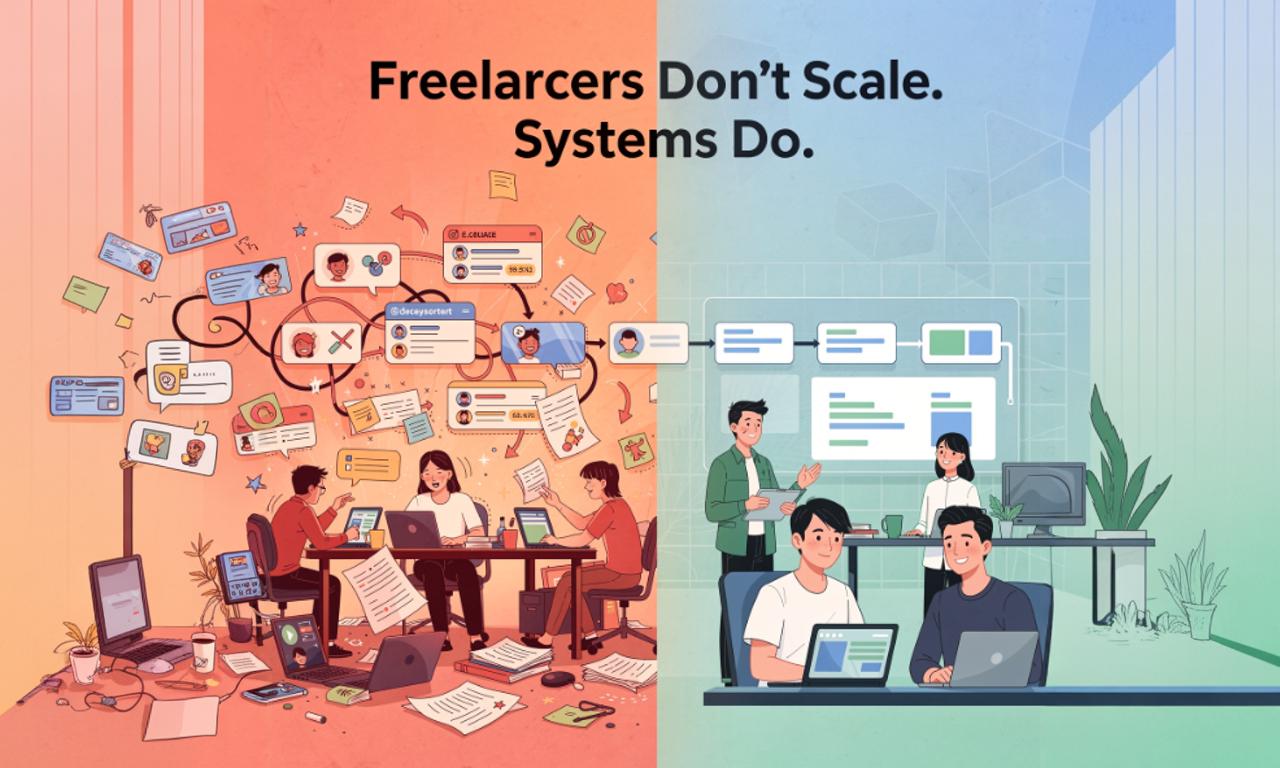
Freelancers feel like a lifesaver… until they don’t.
At the start, it works perfectly.
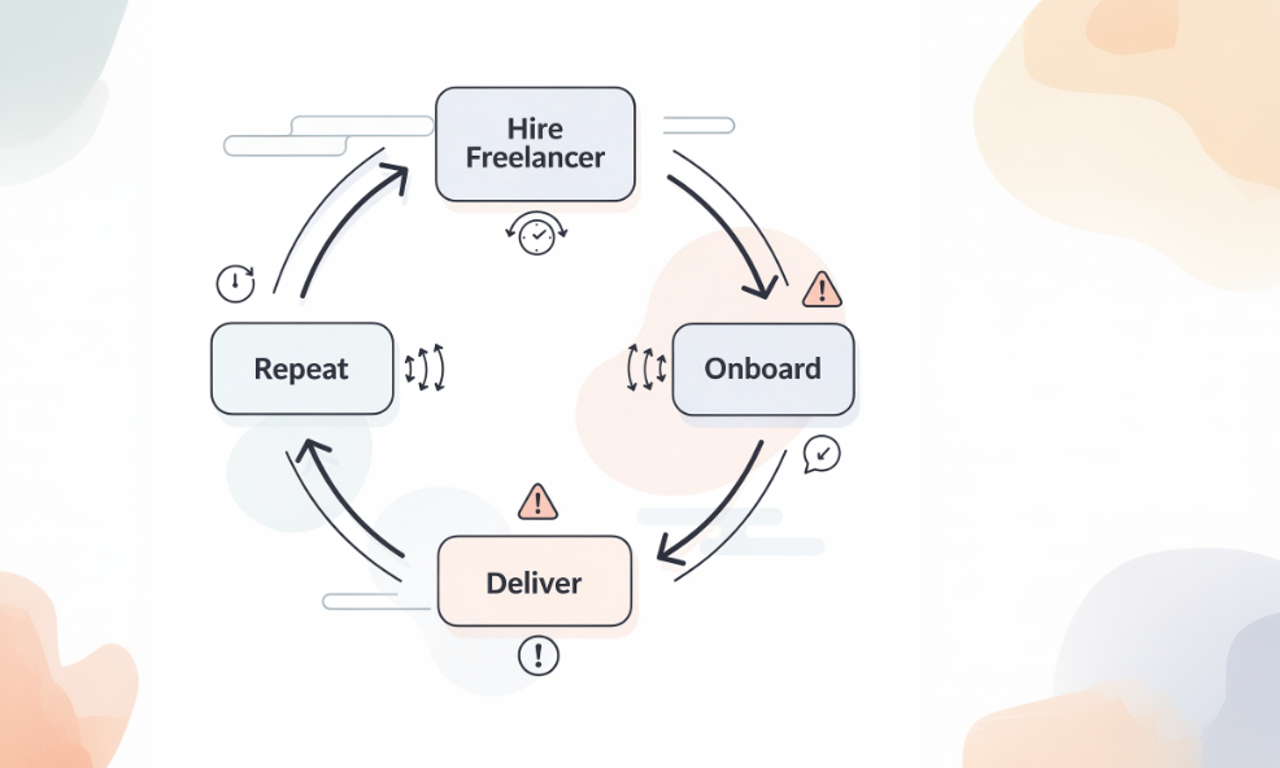
You get a project, bring someone in, ship fast, move on.
But then something changes.
You’re no longer delivering projects.
You’re constantly searching, onboarding, coordinating, and fixing.
And that’s the moment most agencies miss:
the freelancer model didn’t break, your agency outgrew it.
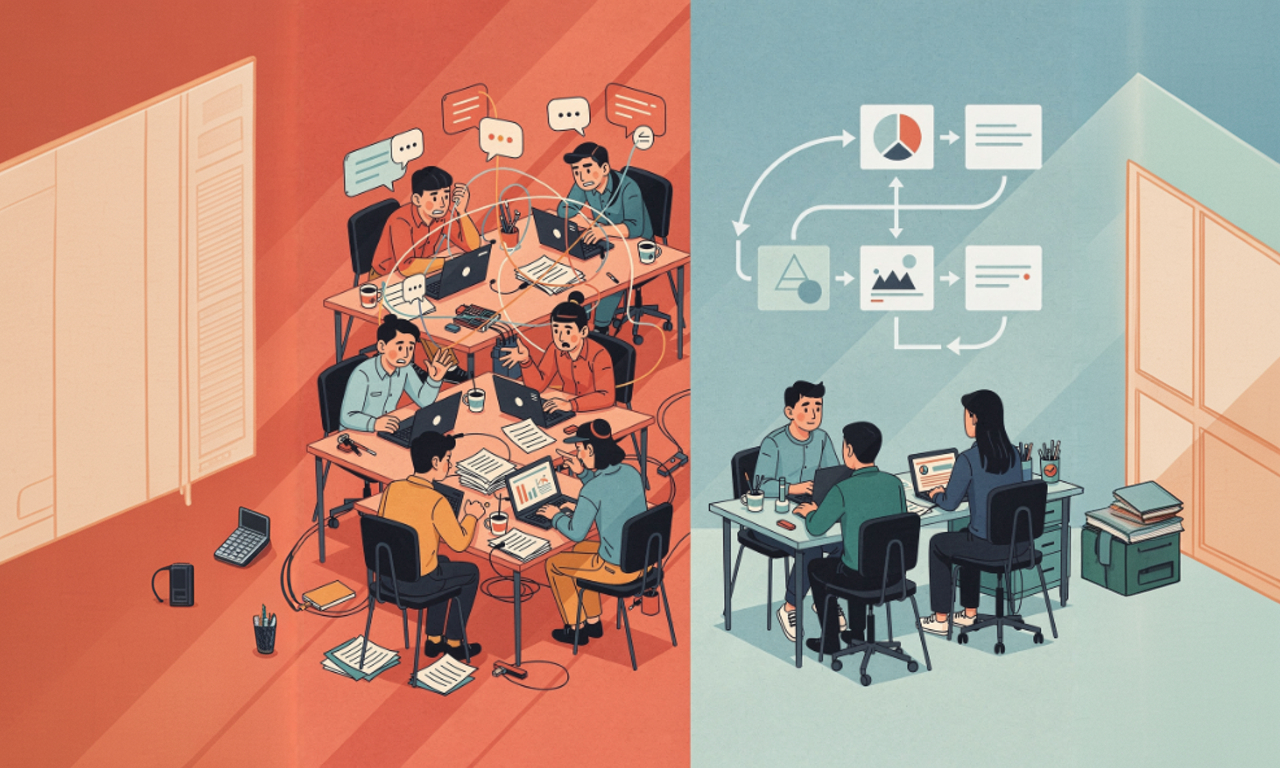
The Freelancer Model Was Never Built for Scale
Freelancers are great for solving isolated problems.
- Need a quick fix?
- A specific skill?
- A short-term push?
Perfect.
But scaling an agency is not about solving isolated problems.
It’s about building repeatable delivery systems.
And freelancers don’t give you that.
Every project resets the system:
- New developer
- New context
- New expectations
- New risk
There’s no continuity. No compounding.
Just constant restarting.
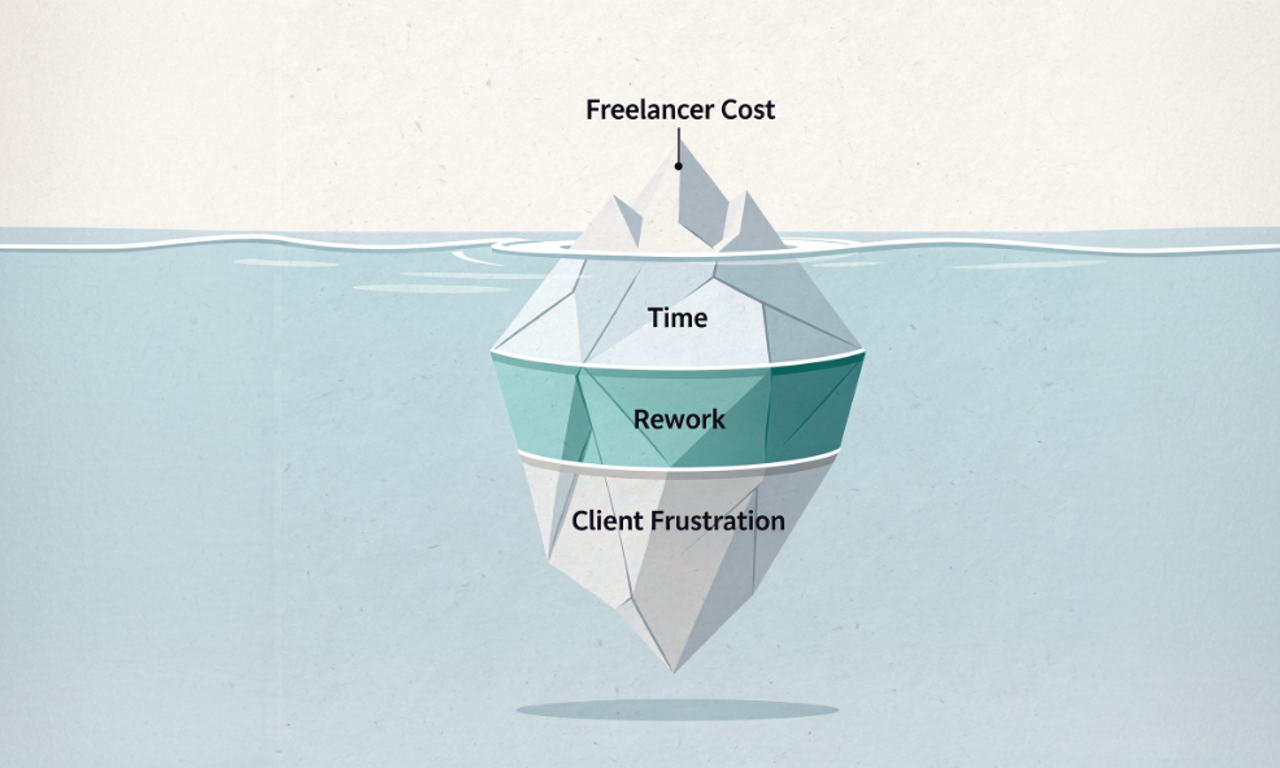
The Cost You Don’t Track But Feel Every Day
On paper, freelancers look cost-efficient.
In reality, the cost shows up in places you don’t measure:
- Time spent explaining the same things again
- Delays caused by misalignment
- Rework due to inconsistent standards
- Clients noticing things feel “off”
This is cognitive overload at an operational level.
Too many moving parts.
Too many people.
Too many micro-decisions.
That’s exactly what happens inside agencies running on fragmented freelance setups.
5 Signs You’ve Outgrown Freelancers
Most agencies don’t make the shift because they don’t recognize the signals early.
Here’s what it usually looks like:
1. You manage developers more than clients
Your calendar fills with coordination instead of growth.
2. Quality feels inconsistent
Every project has a different “standard.”
3. Clients start feeling friction
Delays, revisions, and communication gaps become visible.
4. You hesitate to take on new work
Because delivery feels uncertain.
5. Your “freelancers” feel like your team
But without accountability, structure, or reliability.
That last one is important.
If you’re already relying on the same people repeatedly…
you’re halfway to needing a partner.
What Actually Changes With a Dev Partner
This isn’t about outsourcing.
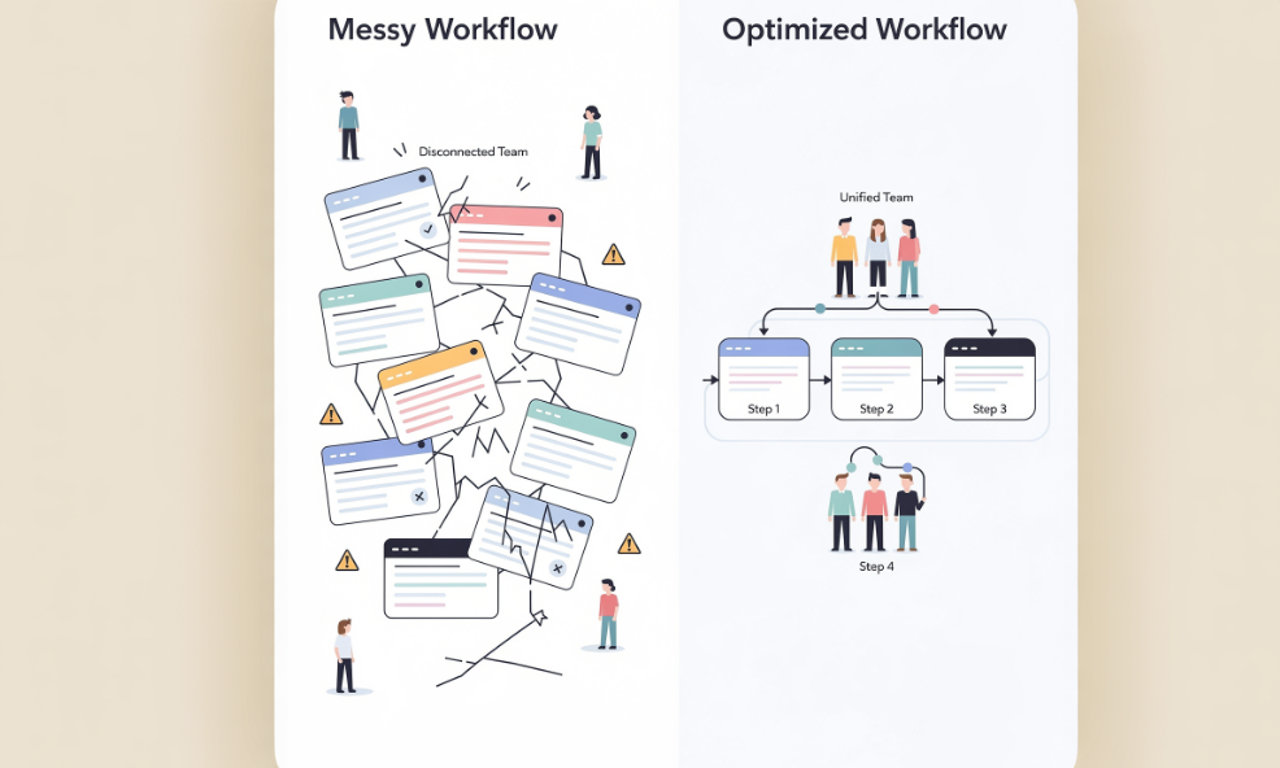
It’s about replacing chaos with a system.
A real dev partner shifts your model from: execution → ownership
Here’s what that looks like in practice:
1. Context replaces re-onboarding
They already understand your workflows, expectations, and clients.
No reset every project.
2. Delivery becomes predictable
Less firefighting. More consistency.
This is how structured systems work, similar to how platforms like CRM Runner streamline operations by centralizing workflows instead of scattering them.
3. Quality becomes stable
Not dependent on who you hired this week.
But built into the system itself.
4. You get your time back
You stop managing tasks…
…and start focusing on:
- Growth
- Positioning
- Client relationships
Why Most Agencies Switch Too Late
Freelancers feel flexible. Low risk. Easy.
So agencies delay the shift.
But fragmented delivery models quietly increase risk over time:
- More pressure on internal teams
- More burnout
- More client dissatisfaction
The agencies that scale faster do one thing differently:
They standardize delivery early.
Not when things break.
Before they do.
What a Real Dev Partner Should Bring
Not all partners are equal.
A real one should feel like an extension of your agency, not an external vendor.
Look for:
- Proactive thinking (not just task execution)
- Clear, consistent communication
- Scalable capacity when you need it
- Long-term reliability
If it still feels like “managing freelancers”…
it’s not a partnership.
The Better Question to Ask
Most agencies ask: Should we hire more freelancers?
That’s the wrong question.
The real one is: Do we have a delivery system we can trust as we grow?
Final Thought
Freelancers solve short-term gaps.
But agencies don’t scale on short-term fixes.
They scale on consistency.
And consistency doesn’t come from scattered execution.
It comes from systems.
The agencies that grow sustainably aren’t the ones juggling the most freelancers.
They’re the ones that built the right partnerships early.
Frequently Asked Questions
When managing freelancers starts slowing down delivery instead of speeding it up.
If coordination, rework, and inconsistency are increasing, you’ve likely outgrown the model.

I work at the point where product decisions, system architecture, and engineering execution meet. At Mediusware, I’m accountable for how technology choices affect reliability, scale, and long-term delivery for our clients.
Featureblogs
Relatedblogs
01
Integrating Redux with React: A Comprehensive Guide02
Laravel pagination and filtering with already loaded data as array in memory03
React + Three.js + React Three Fiber: Crafting Interactive 3D views in Web Applications04
Advanced Caching Strategies for Django Applications05
Implementing Roles and Permissions in Laravel Using Guard-LaravelAuthorblogs
01
How Digital Agencies Can Deliver Custom Software Without Hiring Developers02
AI in FinTech: Build, Buy, or Integrate? A Founder's Decision Framework03
How to Choose a SaaS MVP Development Company04
How Seed-Stage SaaS Teams Add Engineering Capacity Without Hiring Chaos05
Why Seed-Stage SaaS Startups Struggle to Ship Fast