- Learn how growing agencies scale delivery without slowing down execution.
- Discover how development partnerships help handle increasing project demand efficiently.
Why Many Digital Agencies Eventually Need a Development Partner
1 min read
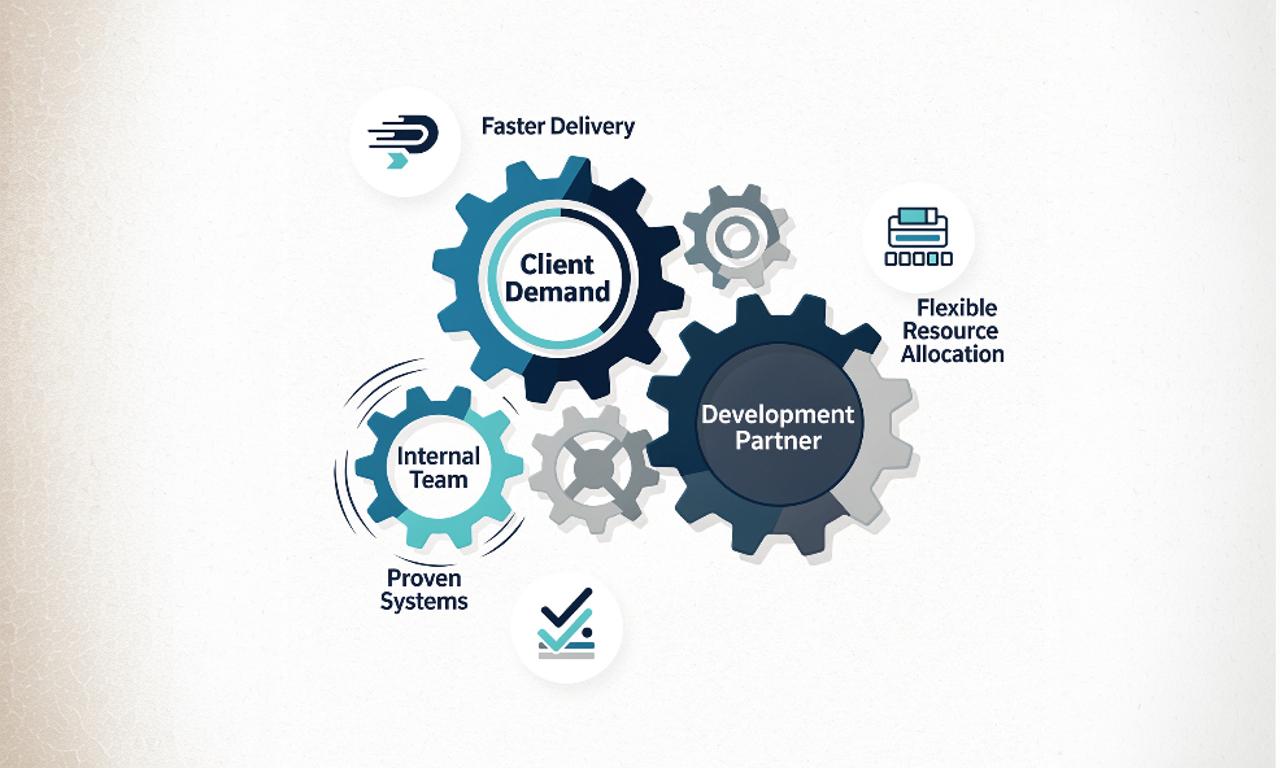
Most digital agencies don’t fail because they can’t win clients.
They struggle because they can’t deliver fast enough when those clients actually come in.
At first, everything feels manageable.
Small team. Few projects. Tight execution.
Then growth kicks in.
More clients. Bigger scopes. Faster expectations.
And suddenly, the real problem shows up:
Demand is growing… but delivery can’t keep up.
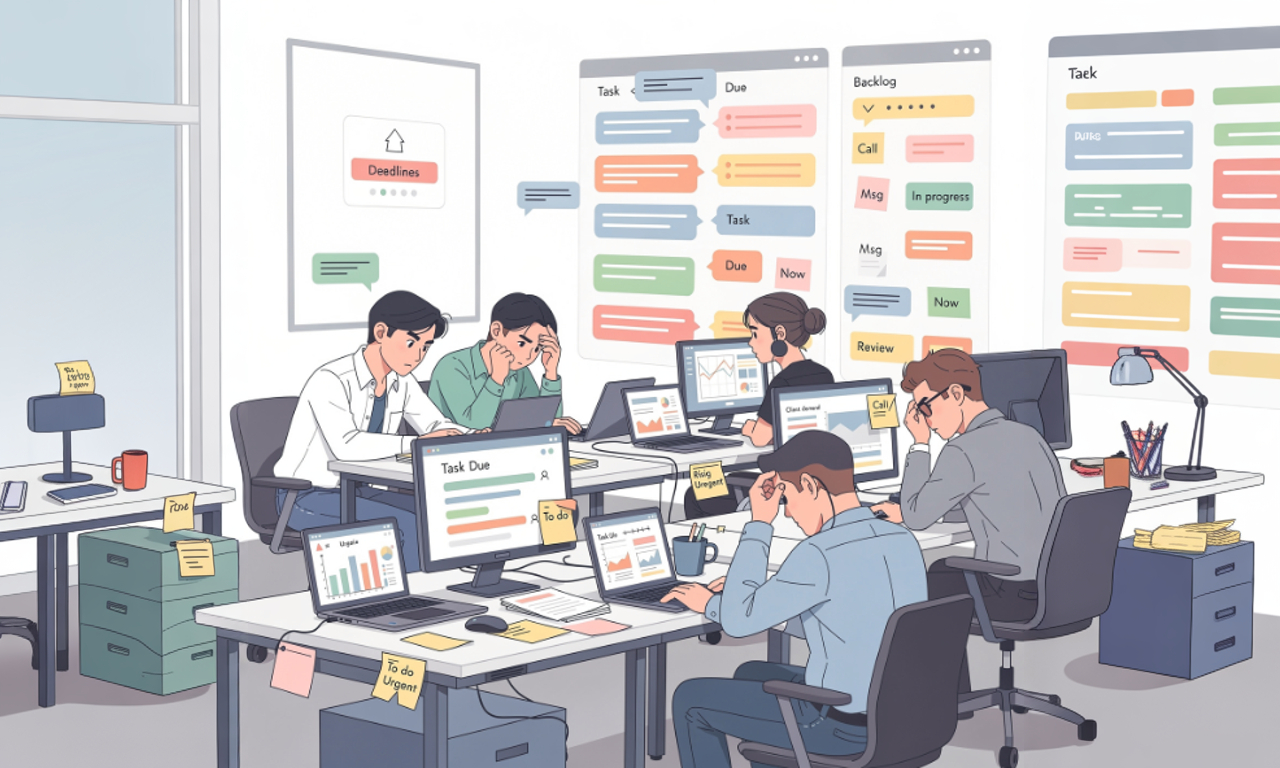
The Growth Problem No One Talks About
Agencies don’t break overnight.
They stretch.
A deadline slips here.
A developer gets overloaded there.
A client asks for just one more feature.
Individually, these are manageable.
But together?
They create delivery instability.
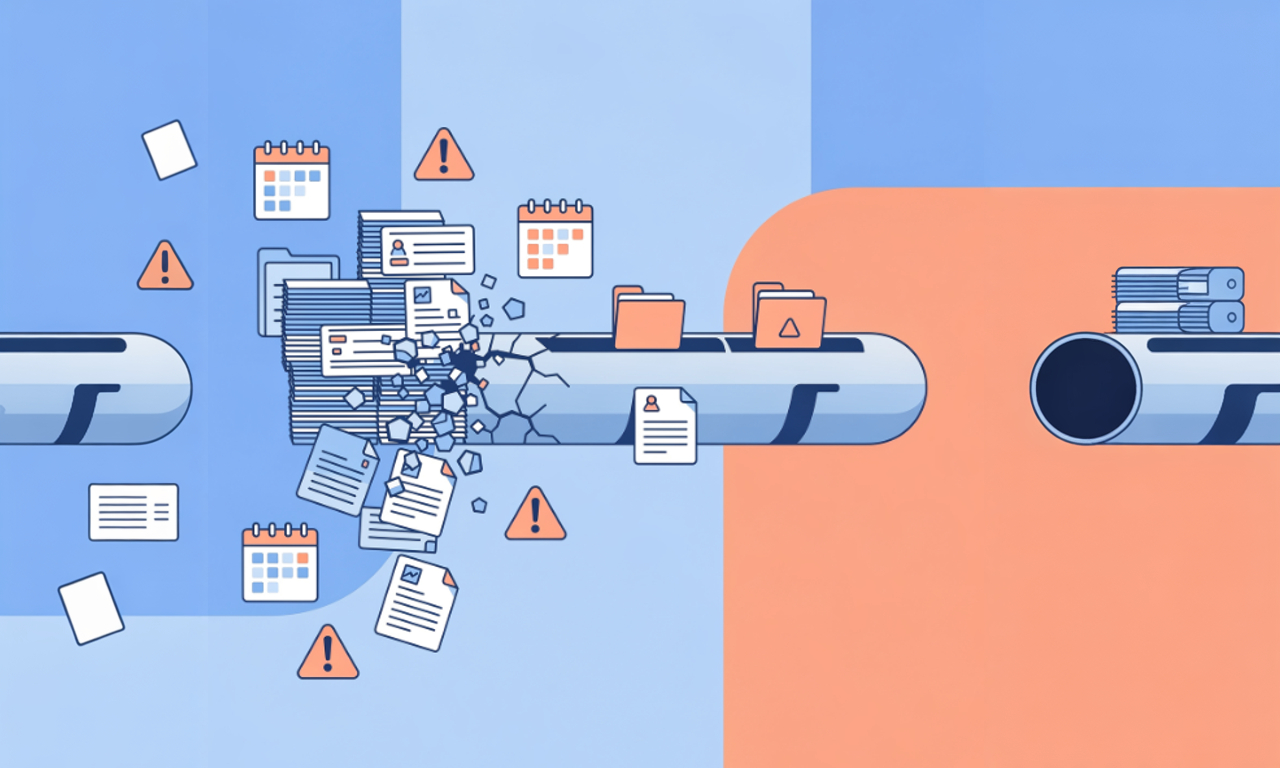
And once that starts, everything gets affected:
- Timelines become unpredictable
- Team morale drops
- Client trust slowly erodes
This is where most agencies feel stuck, but can’t clearly explain why.
Why This Happens More Than You Think
This isn’t just your agency.
It’s an industry-wide shift.
According to Grand View Research, the global IT outsourcing market is projected to reach $1.2 trillion by 2030.
That’s not a trend.
That’s a signal.
Companies are no longer scaling delivery internally alone.
They’re extending capacity externally.
The Default Reaction And Why It Backfires
When delivery pressure increases, most agencies do the obvious thing:
They hire.
More work → more developers → more output.
Sounds logical.
But in reality?
It slows things down.
Fred Brooks said it decades ago:
Adding manpower to a late software project makes it later.
This isn’t theory. It’s operational reality.
Because hiring introduces:
- Onboarding delays
- Communication overhead
- Coordination complexity
GitLab reports that teams lose 7+ hours per week per person due to inefficiencies in collaboration.
So adding people without fixing systems?
You’re increasing complexity, not speed.
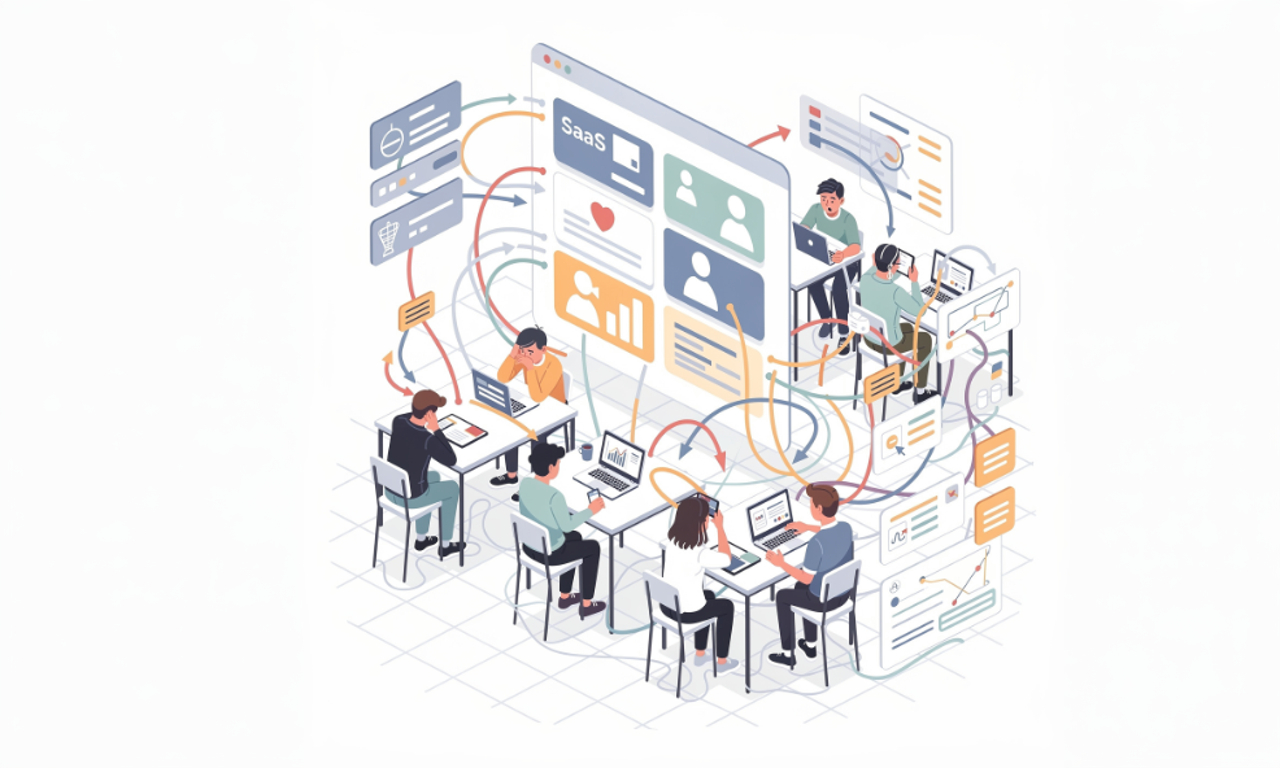
The Real Issue: Capacity vs Demand
At its core, this isn’t a hiring problem.
It’s a capacity mismatch problem.
Your agency grows faster than your delivery system.
And that creates pressure in three places:
- Development bottlenecks
- Team burnout
- Delivery risk
Eventually, you’re forced into decisions you don’t want:
- Turning down projects
- Delaying timelines
- Compromising quality
None of these scale.
Where a Development Partner Changes the Game
A development partner isn’t just extra hands.
It’s a different way to scale.
Here’s how it actually helps:
1. Immediate capacity without long hiring cycles
No recruitment cycles.
No long onboarding.
You scale when demand increases.
2. Flexible resource allocation
Busy month?
Scale up.
Slow month?
Scale down.
No fixed overhead pressure.
3. Proven systems and experience
You’re not starting from zero.
Experienced teams have already solved:
- Scalability issues
- Complex integrations
- Performance bottlenecks
For example, platforms like CRM Runner improved operational efficiency and decision-making by centralizing workflows and reducing manual processes.
That level of system thinking doesn’t come from isolated freelancers.
It comes from structured teams.
4. Faster delivery with less risk
You’re leveraging experience.
Not experimenting under client pressure.
That reduces:
- Rework
- Delays
- Delivery uncertainty
And improves what matters most: Client trust.
When Agencies Realize They Need a Partner
It rarely happens early.
It happens under pressure.
You’ll recognize it when:
- You’re turning down projects due to capacity
- Your team is constantly overloaded
- Timelines are getting harder to maintain
- Growth feels chaotic instead of exciting
Ironically, these are all signs of success.
But unmanaged?
They become risks.
Why Smart Agencies Don’t Wait Too Long
One of the biggest mistakes agencies make?
Waiting until things break.
At that point, decisions become reactive.
And reactive decisions are expensive.
The smarter approach:
Start early.
Test partnerships before you need them at scale.
Some agencies begin with:
- Staff augmentation
- Pilot projects
- Small external collaborations
Others build long-term partnerships that stabilize delivery as they grow.
The Bigger Industry Shift
This isn’t optional anymore.
It’s already happening.
According to Deloitte:
83% of executives are already leveraging outsourced services enhanced by AI and external capabilities.
That means:
External partnerships are becoming a standard part of scaling.
Not an exception.
Rethinking What Scaling Actually Means
Scaling isn’t just about hiring more people.
It’s about building a system that can handle growth.
The agencies that scale well understand this clearly:
- Strategy stays in-house
- Client relationships stay in-house
- Execution becomes scalable
That’s the shift.
From doing everything internally
→ to designing how work flows
Final Thought
At some point, every agency hits a ceiling.
Not because demand slows down.
But because delivery starts falling behind.
The agencies that move forward don’t just work harder.
They change how they scale.
And more often than not, that includes bringing in the right development support.
Frequently Asked Questions
You should start considering a development partner when delivery starts feeling harder than winning clients.
If your team is overloaded, timelines are slipping, or you’re turning down projects due to capacity, those are early signals. The best agencies don’t wait until things break, they prepare before scale becomes chaotic.

I work at the point where product decisions, system architecture, and engineering execution meet. At Mediusware, I’m accountable for how technology choices affect reliability, scale, and long-term delivery for our clients.
Featureblogs
Relatedblogs
01
Smart Contracts vs. Regular Contracts02
SDLC vs Agile System Development: Phases, Pros and Cons, and Common Grounds03
Why Mediusware Limited is Your Perfect Global Outstaffing Partner04
10 Best B2B Software Companies in the USA for 2025 – Find Your Perfect Partner!05
Why Leading Agencies Partner with Mediusware for Scalable Tech SolutionsAuthorblogs
01
How Digital Agencies Can Deliver Custom Software Without Hiring Developers02
AI in FinTech: Build, Buy, or Integrate? A Founder's Decision Framework03
How to Choose a SaaS MVP Development Company04
How Seed-Stage SaaS Teams Add Engineering Capacity Without Hiring Chaos05
Why Seed-Stage SaaS Startups Struggle to Ship Fast