- AI tools are transforming filmmaking through editing, VFX, and production automation.
- Streaming platforms and studios use AI insights to predict and produce successful content.
How AI Is Transforming Hollywood After the Oscars 2026
1 min read
The Oscars 2026 didn’t just celebrate films.
It quietly revealed something bigger.
Hollywood is no longer just powered by creativity. It’s now powered by intelligence.
Behind the awards, AI is already reshaping how movies are written, produced, edited, and even funded.
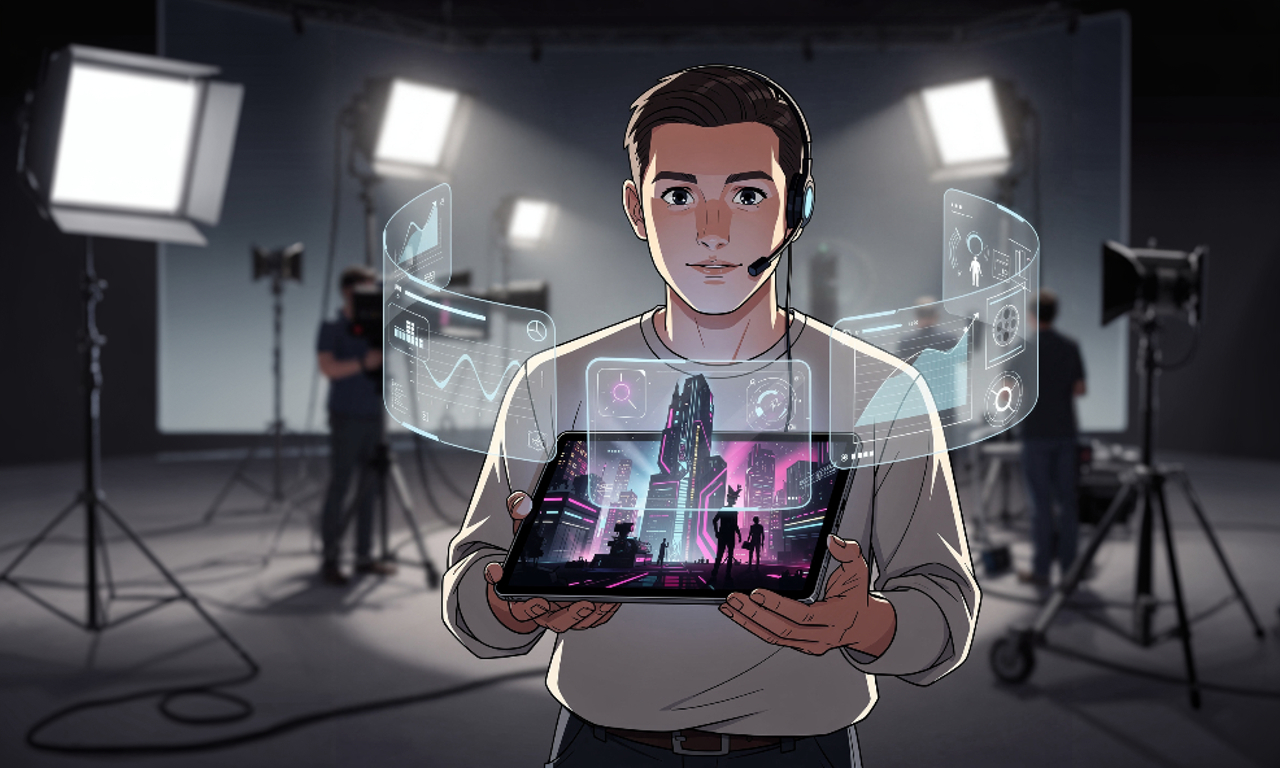
And most people haven’t fully realized how fast this shift is happening.
The Real Shift: AI Is Changing the Filmmaking System
Most people think AI in Hollywood is experimental.
It’s not.
It’s already embedded in the workflow.
From script analysis to post-production automation, AI is turning filmmaking into a data-assisted creative system.
According to a PwC entertainment report, AI is expected to significantly reduce production costs while improving efficiency across media workflows in the coming years.
That changes everything.
Because in Hollywood, speed + cost = competitive advantage.
AI in Film Production: From Idea to Execution Faster
Traditionally, film production is slow, expensive, and resource-heavy.
Large crews. Long timelines. High uncertainty.
AI is starting to compress all three.
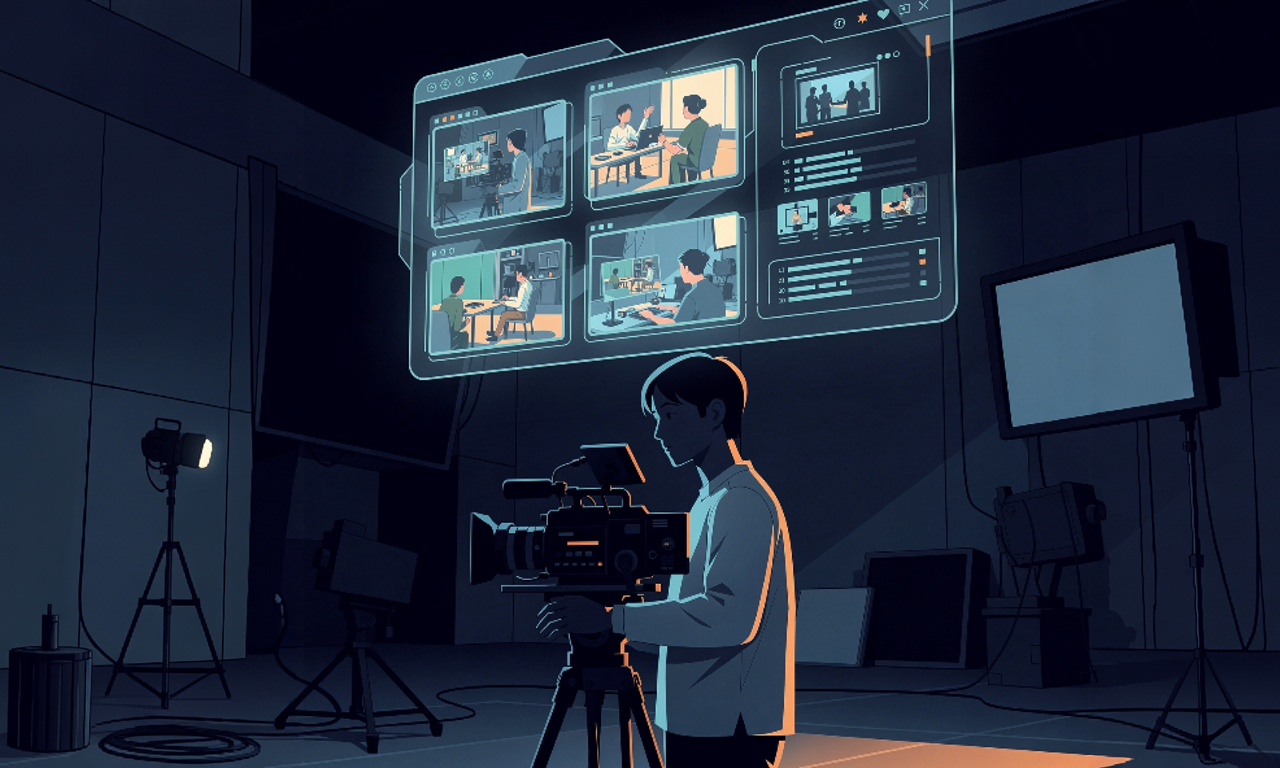
Here’s how:
1. Script Intelligence
AI can analyze scripts and predict audience engagement before production begins.
2. Scene Visualization
Tools like Runway ML allow filmmakers to generate scenes from text prompts.
3. Virtual Environments & Actors
AI-generated characters and digital sets reduce the need for physical shooting.
Instead of guessing what might work…
Filmmakers can now simulate before they spend.
As James Cameron once said:
Technology is the engine that powers storytelling.
Now, AI is becoming that engine.
AI in Editing & VFX: Where Time Is Being Saved
Post-production has always been one of the biggest bottlenecks.
Editing, VFX, sound, color grading, it takes months.
AI is cutting that down.
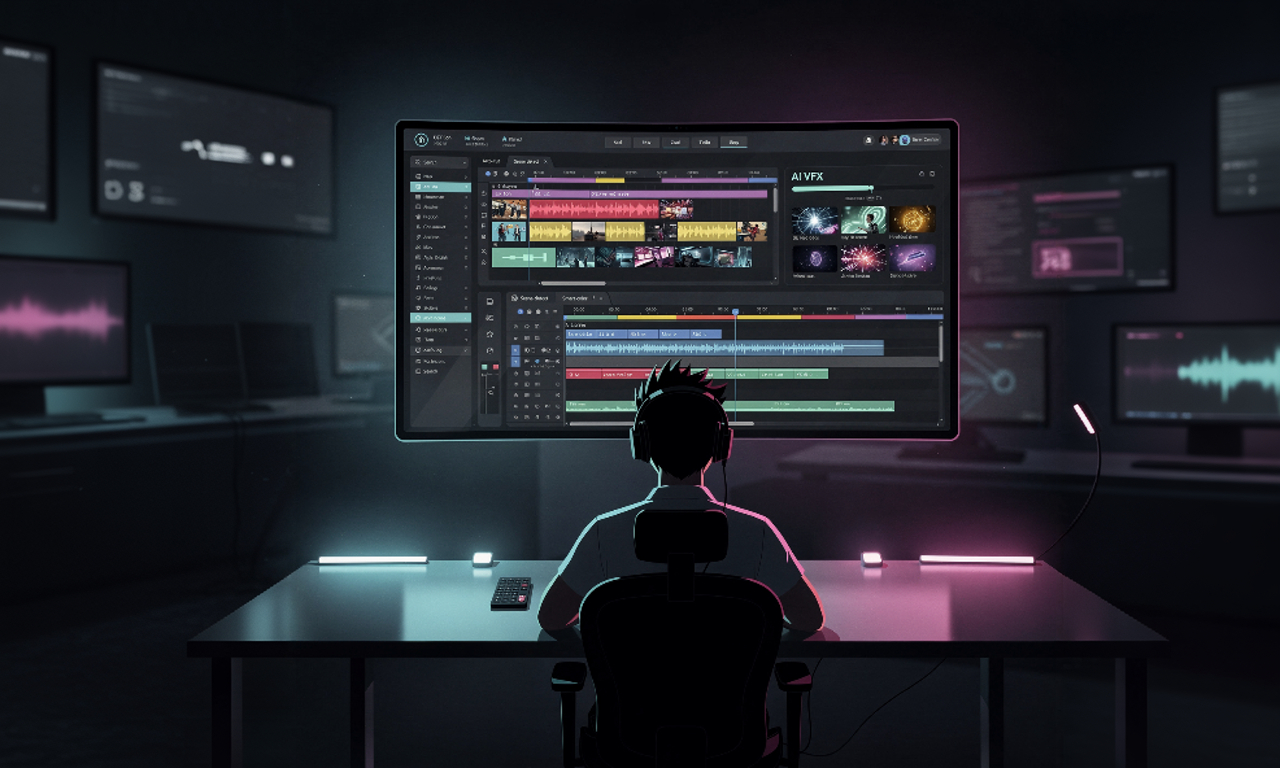
Here's how:
1. Automated Editing
AI tools can scan hours of footage and select the best takes instantly.
This reduces manual effort and speeds up decision-making.
2. AI-Generated VFX
Instead of building everything from scratch, AI can generate:
- Cities
- Landscapes
- Weather
- Crowds
That means fewer resources, faster output.
3. Smart Color Grading
Machine learning tools can match cinematic tones across scenes automatically.
According to Adobe research, AI can reduce post-production workload by 30–40% in some workflows.
That’s not optimization.
That’s transformation.
AI Is Deciding What Gets Made Not Just How
This is where things get more interesting.
AI is not only helping create films.
It’s influencing which films get funded.
Streaming platforms like Netflix and Amazon use machine learning to analyze:
- Watch behavior
- Genre preferences
- Engagement patterns
- Retention rates
Netflix reports that 80% of viewer activity is driven by its recommendation system.
That means AI is shaping:
- What stories are told
- Which actors are chosen
- Which genres dominate
Hollywood is slowly moving from intuition-based decisions to data-informed storytelling.
AI + Creativity: Not Replacement, But Amplification
There’s a fear that AI will replace filmmakers.
That’s the wrong way to look at it.
AI removes friction.
It doesn’t replace vision.
It handles:
- Repetitive tasks
- Technical processes
- Data-heavy decisions
Guillermo del Toro explained it best:
Technology is only meaningful when it helps artists tell better stories.
AI is not the storyteller.
It’s the accelerator.
Why This Matters Beyond Hollywood
This shift isn’t just about films.
It’s about how complex creative systems are evolving.
What’s happening in Hollywood is the same pattern we see across industries:
- Automation replacing repetitive work
- Data improving decision-making
- AI accelerating production cycles
We’ve seen similar transformations in platforms like AI-driven analytics systems and content automation tools built by engineering teams.
For example, solutions like intelligent data platforms (similar to how systems like Quiri process complex data into insights) show how AI can simplify decision-making at scale.
The same principle is now being applied to filmmaking.
The Opportunity for Tech Startups
This is where things open up.
AI in Hollywood isn’t saturated.
It’s just getting started.
Opportunities are emerging in:
- AI-powered video generation
- Automated editing tools
- Predictive content analytics
- Virtual production platforms
- Creative AI assistants
Studios need:
- Faster workflows
- Lower costs
- Better predictions
And they’re increasingly relying on technology partners to build these systems.
Final Thoughts
Hollywood has always evolved with technology.
Sound. Color. CGI.
AI is simply the next chapter.
But this time, the shift is deeper.
Because AI is not just changing how films are made.
It’s changing how decisions are made.
After the Oscars 2026, one thing is clear:
The future of filmmaking will not be human vs AI.
It will be human creativity powered by intelligent systems.
Frequently Asked Questions
AI assists with script analysis, editing, visual effects, content recommendations, and production planning.

I work with founders and leadership teams when growth moves faster than their systems, teams, or decisions. I’ve led 850+ projects for 750+ clients across 20+ countries, working across 100+ technologies and counting. I care about ownership, clarity, and building things that last beyond the launch.
Featureblogs
Relatedblogs
Authorblogs
01
Critical PHP Security Update (October 2026): What SaaS Owners Must Check Now02
SaaS MVP Development: A Founder’s Guide for 202703
Zero Clicks, Falling Traffic: How to Win Back Revenue04
Ranking on Google in 2026: What Matters in the Age of AI Search05
How to Choose an API Development Company for Your SaaS Product