- Enterprise AI platforms automate workflows, analyze data, and improve operational decisions.
- Copilot, OpenAI, Vertex AI, and Databricks help enterprises scale operations through automation.
2026 Enterprise AI Rankings: Most Powerful Tools for Scaling Operations
1 min read
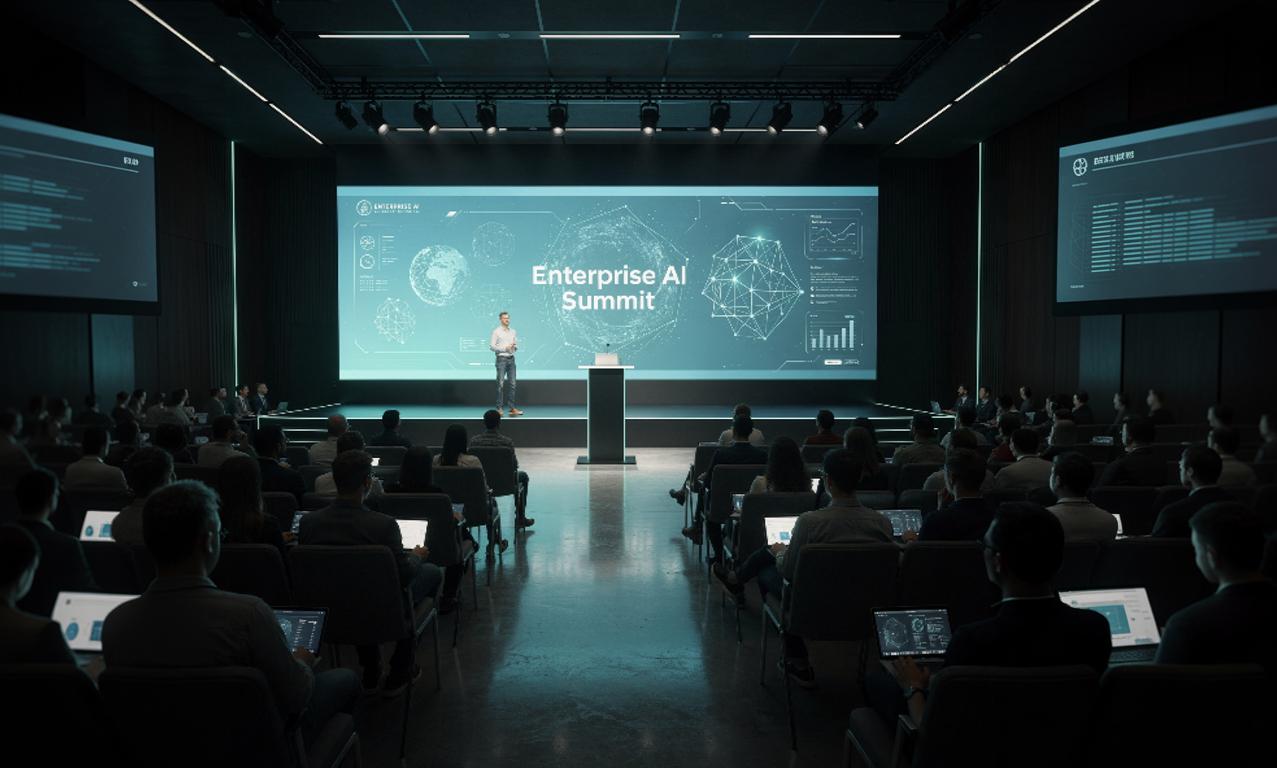
Most enterprises don’t struggle with ideas.
They struggle with operations that stop scaling.
At some point, growth creates friction.
More data. More workflows. More decisions.
But the systems underneath stay fragmented.
That’s where things start slowing down.
Teams rely on too many tools.
Processes stay manual longer than they should.
And decision-making becomes reactive instead of intelligent.
According to McKinsey, organizations that apply AI effectively can improve productivity by up to 40%.
Not because AI is “smart.”
But because it removes operational bottlenecks.
In 2026, enterprise AI is no longer optional.
It’s infrastructure.

Why Enterprise Operations Break at Scale
As companies grow, they generate massive amounts of data:
- Customer interactions
- Financial transactions
- Internal workflows
- Supply chain activity
- Product analytics
The problem isn’t data.
It’s coordination.
Most enterprises:
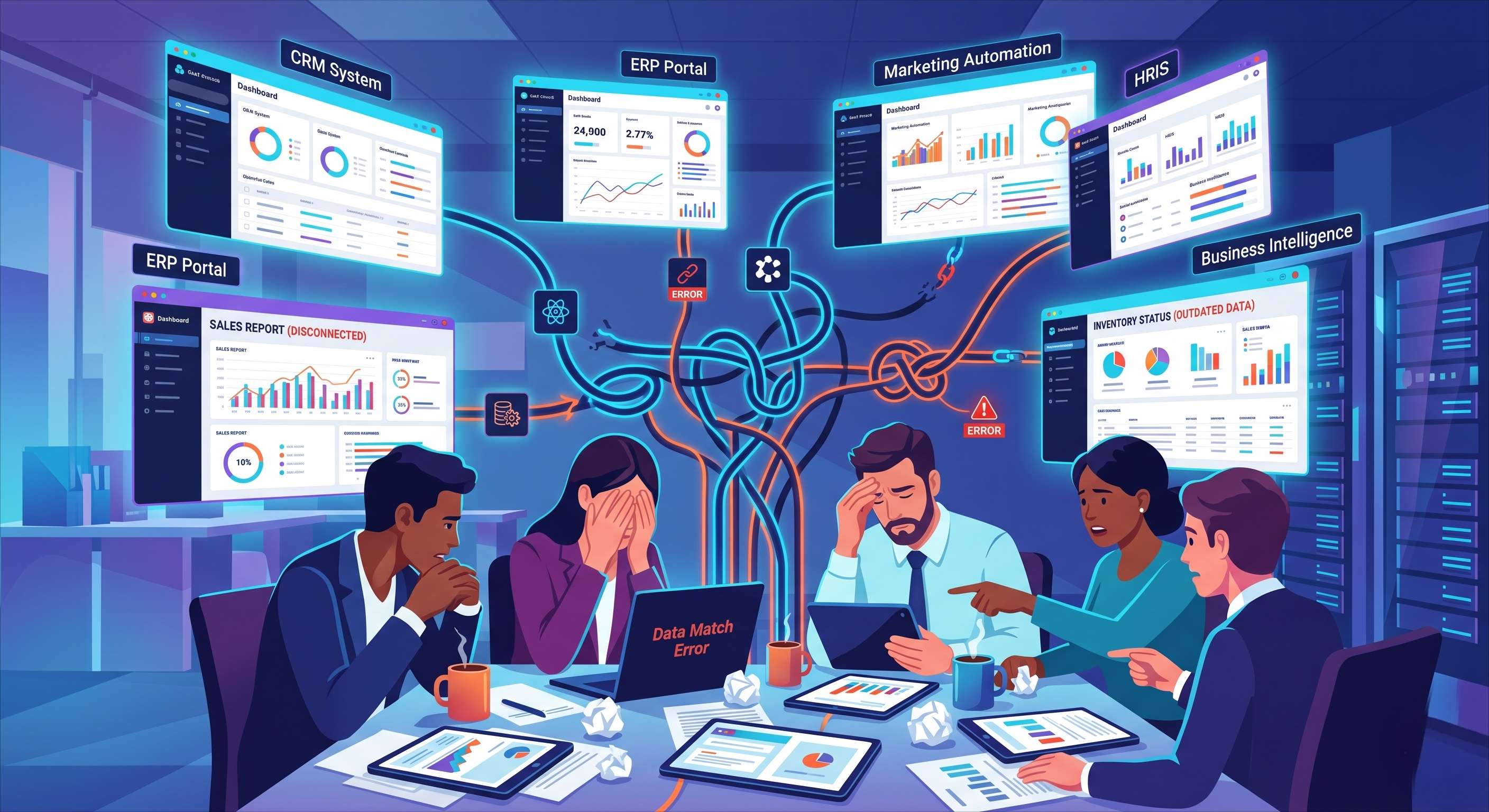
- Store data across disconnected systems
- Rely on manual reporting
- React to problems instead of predicting them
This creates delays, inefficiencies, and missed opportunities.
AI changes that by turning data into real-time decisions.
What Enterprise AI Actually Solves
Enterprise AI isn’t about replacing people.
It’s about removing friction from operations.
The real impact comes from:
- Automating repetitive workflows
- Processing large datasets instantly
- Predicting outcomes before they happen
- Optimizing resource allocation
- Supporting faster, more confident decisions
As Andrew Ng puts it:
AI is the new electricity.
The companies that adopt it early don’t just move faster.
They operate differently.
2026 Enterprise AI Rankings: Top Platforms
Here are the platforms shaping how enterprises scale operations today.
1. Microsoft Copilot + Azure AI
Microsoft has quietly become the default AI layer for many enterprises.
Not because it’s new.
Because it’s already integrated.
With Copilot embedded across Microsoft 365, Teams, and Dynamics, AI becomes part of daily workflows.
What makes it powerful:
- AI-assisted writing and documentation
- Automated meeting summaries
- Workflow automation inside enterprise apps
- Predictive insights across business data
Azure AI extends this with full-scale infrastructure for custom models.
If your company already runs on Microsoft, this is the fastest way to scale AI.
2. OpenAI Enterprise
OpenAI has evolved from a tool into an operational layer.
Enterprises use it to turn internal knowledge into usable intelligence.
Key use cases:
- Internal knowledge assistants
- Automated reporting and research
- Customer support automation
- AI-powered product features
Instead of searching for information, teams ask.
That shift alone changes how fast organizations operate.
3. Google Vertex AI
Vertex AI is built for companies that treat data as a core asset.
It provides a full lifecycle platform:
- Model training
- Deployment
- Data labeling
- Monitoring
What stands out is its integration with Google Cloud.
For organizations handling large-scale data pipelines, Vertex AI becomes a centralized control system.
4. Databricks AI Platform
Databricks is where data engineering meets AI.
It’s not just a tool, it’s infrastructure.
Companies use it to:
- Manage massive datasets
- Build machine learning pipelines
- Run real-time analytics
- Create data intelligence systems
Industries like finance, healthcare, and retail rely heavily on it.
Because at scale, data isn’t useful unless it’s structured.
Databricks solves that.
5. Anthropic Claude AI
Claude is gaining traction for one specific reason:
Control.
Enterprises dealing with sensitive data prioritize:
- Long-context understanding
- Reliable reasoning
- Safe AI deployment
Claude performs especially well in:
- Document-heavy workflows
- Internal knowledge systems
- Compliance-sensitive environments
For many enterprises, safety is not optional.
It’s the deciding factor.
6. UiPath AI Automation Platform
UiPath started with RPA.
Now it’s evolving into full-scale automation powered by AI.
It focuses on operational workflows like:
- Invoice processing
- HR onboarding
- Financial reconciliation
- Supply chain coordination
The real value is combining automation with intelligence.
Instead of just executing tasks, systems start making decisions.
How Enterprises Actually Choose AI Platforms
Most companies don’t choose one tool.
They build an ecosystem.
But the decision usually comes down to five things:
1. Scalability
Can it handle growth without breaking?
2. Integration
Does it connect with existing systems?
3. Security
Can it meet enterprise-level compliance?
4. Customization
Can teams build around it?
5. ROI
Does it reduce cost or increase speed in a measurable way?
The wrong tool doesn’t just fail.
It creates more complexity.
What’s Next for Enterprise AI
The shift is just beginning.
We’re already seeing new patterns emerge:
1. AI Agents
Systems that can execute multi-step tasks autonomously
2. Decision Intelligence
AI supporting strategic business decisions
3. Hyperautomation
End-to-end automation across entire workflows
4. Real-Time Operations
Instant insights across every part of the business
The companies that adopt these early won’t just scale faster.
They’ll operate on a completely different level.
Final Thoughts
Enterprise AI isn’t about tools.
It’s about how your operations are designed.
The companies winning in 2026 aren’t the ones using AI everywhere.
They’re the ones using it where it matters most.
Frequently Asked Questions
Enterprise AI refers to artificial intelligence technologies designed to automate business processes, analyze large datasets, and improve decision-making across organizations.

I work with founders and leadership teams when growth moves faster than their systems, teams, or decisions. I’ve led 850+ projects for 750+ clients across 20+ countries, working across 100+ technologies and counting. I care about ownership, clarity, and building things that last beyond the launch.
Featureblogs
Relatedblogs
Authorblogs
01
SaaS MVP Development: A Founder’s Guide for 202702
Zero Clicks, Falling Traffic: How to Win Back Revenue03
Ranking on Google in 2026: What Matters in the Age of AI Search04
How to Choose an API Development Company for Your SaaS Product05
Why Software Companies Are Turning to Strategic Partnerships for Faster Growth