Agencies don’t struggle with growth; they struggle with scaling systems. This blog breaks down why hiring alone slows delivery and how structured workflows, onboarding, and smarter team design help agencies grow without losing speed.
How Agencies Maintain Delivery Speed While Growing Client Demand
1 min read
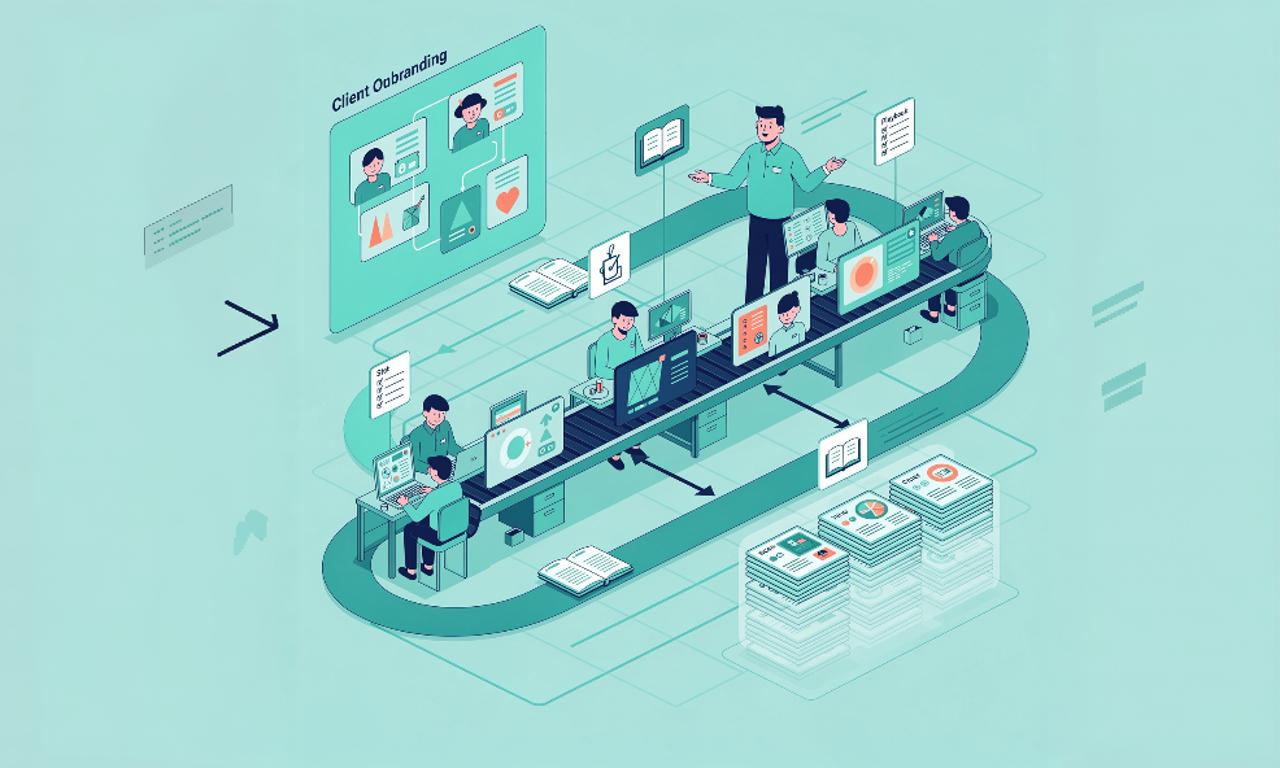
Growth doesn’t slow agencies down. Poor systems do.
Most agencies don’t lose clients because they can’t get work.
They lose them because they can’t handle it.
I’ve seen this pattern too many times.
An agency grows. Demand increases. The pipeline looks healthy.
And then quietly, delivery starts slipping.
Deadlines stretch. Communication breaks. Clients lose confidence.
Not because the team isn’t talented.
But because the system behind the team wasn’t built to scale.
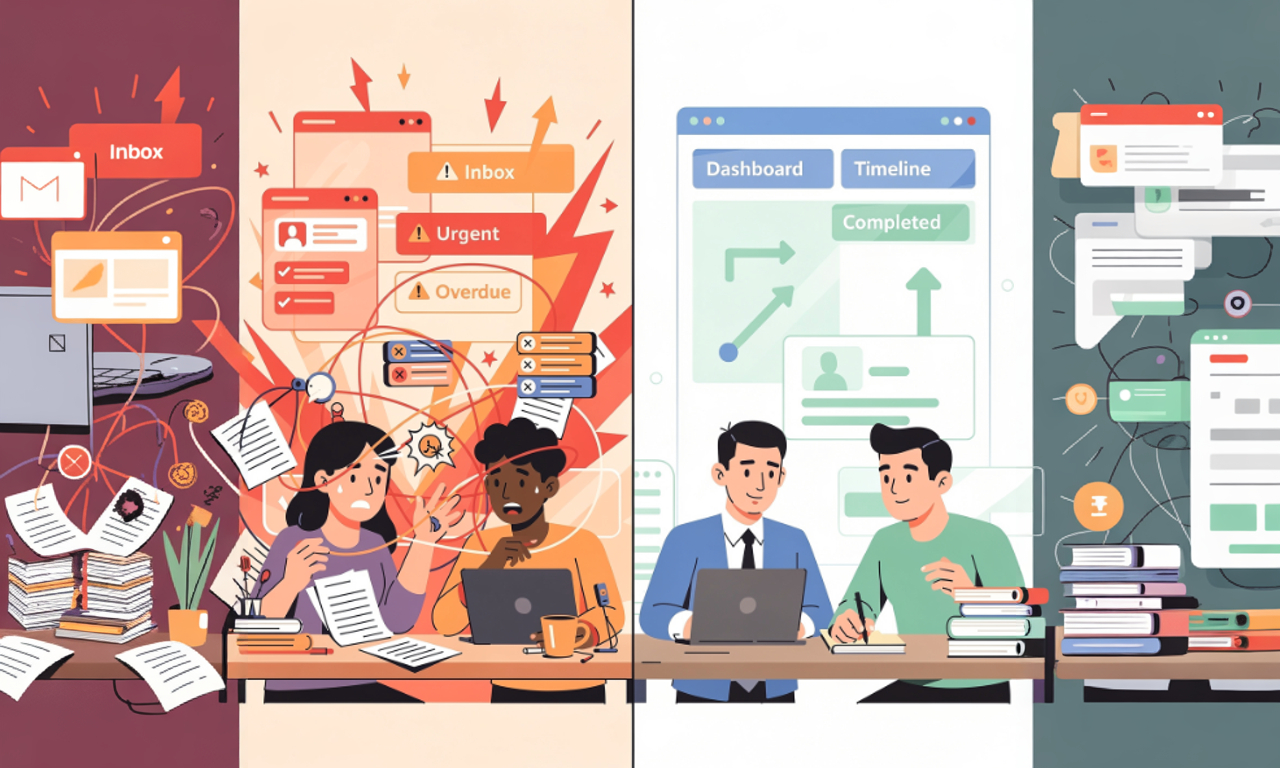
The real problem most agencies miss
Growth doesn’t create problems.
It exposes them.
At a small scale, effort hides inefficiencies.
At a larger scale, those inefficiencies multiply.
This is where most agencies misread the situation.
They think: We need more people.
But what they actually need is: A better system for how work moves.
The growth trap almost every agency falls into
It always starts the same way.
A few wins.
More referrals.
The team stretches and somehow delivers.
So you hire.
Things stabilize for a moment.
Then suddenly… you're slower than before with a bigger team.
That’s not a hiring failure.
That’s a structural failure.
Why adding people doesn’t fix speed
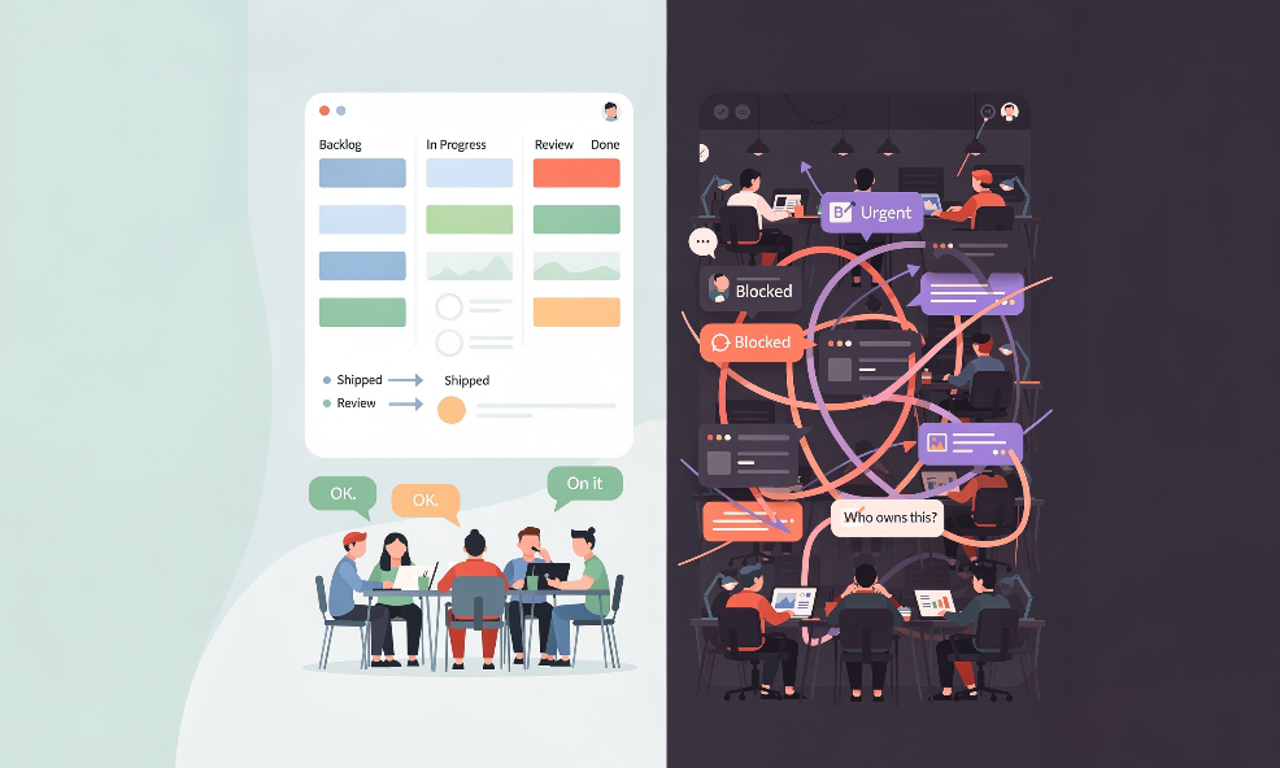
On paper, it looks logical:
More work → more people → more output
But in reality, every new hire adds:
- More coordination
- More communication layers
- More chances for misalignment
And this is where things break.
An agency with 10 people and strong systems
will consistently outperform one with 30 people and weak ones.
Because speed doesn’t come from effort.
It comes from repeatability.
The real bottleneck: work that restarts every time
If your team:
- Reinterprets briefs every project
- Rebuilds workflows every time
- Re-explains context repeatedly
You don’t have a delivery system.
You have a delivery habit.
And habits don’t scale.
The 3 systems that actually protect delivery speed
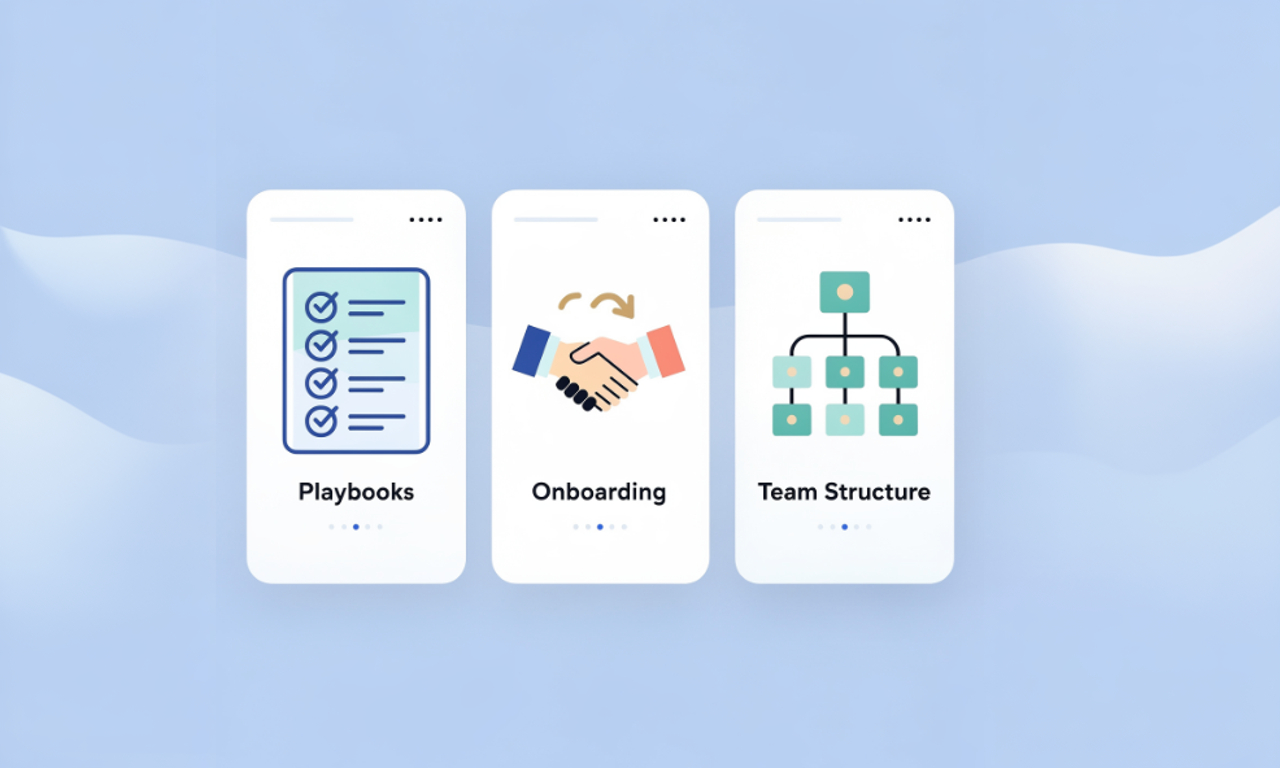
From what we’ve seen working with scaling teams,
every fast-moving agency relies on three core systems.
Remove one and speed collapses.
1. Standardized delivery playbooks
Every service needs a repeatable structure.
Not just checklists, but:
- Defined steps
- Clear ownership
- Structured handoffs
This reduces decision-making friction.
2. Ruthless client onboarding
Most agencies treat onboarding like admin.
That’s where they lose weeks.
High-performing agencies treat onboarding like a system, not a step.
They define early:
- Success metrics
- Decision-makers
- Communication rules
Because most delays don’t happen during execution.
They happen because expectations were never aligned.
3. Tiered team architecture
Speed breaks when everyone does everything.
Fast agencies design roles intentionally:
- Specialists execute
- Strategists guide
- Senior leads make only high-impact decisions
This reduces bottlenecks.
Why structure actually protects creativity
There’s a common fear: Processes will kill creativity.
In reality, the opposite happens.
When teams don’t have to figure out how to work every time,
they have more energy to focus on what matters.
Structure removes chaos.
And chaos is what kills creative output.
Where real scale actually happens
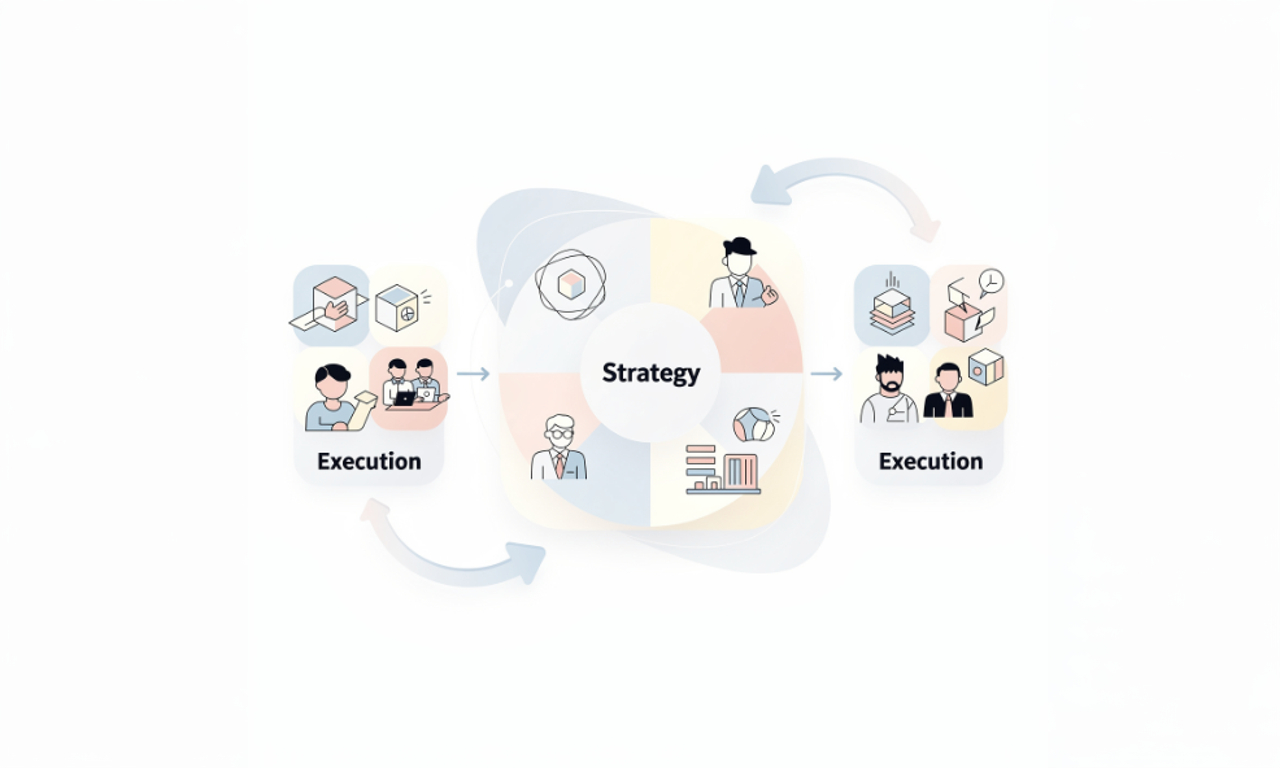
At some point, internal hiring stops being enough.
Not because hiring is wrong.
But it’s slow, reactive, and hard to control under pressure.
This is where smarter agencies shift:
From people-based scaling → to system-based scaling
And this is where development partnerships start making sense.
What this looks like in practice
Instead of constantly hiring, agencies build:
- Dedicated external teams aligned to their workflows
- On-demand capacity without hiring delays
- Consistent delivery standards across projects
We’ve seen this across multiple systems and platforms:
Teams that reduce manual coordination and standardize workflows
consistently improve both speed and output quality.
The real impact of getting this right
When the system works:
- Bottlenecks disappear
- Core teams stay focused
- Delivery stays consistent even under pressure
And most importantly: You can grow without slowing down.
Why this matters more than ever
Client expectations are changing fast.
- 90% expect faster responses
- 88% value experience as much as the outcome
Speed is no longer a competitive advantage.
It’s a baseline.
The one question that matters now
If your client demand doubled tomorrow…
What would break first?
That’s not your weakness.
That’s your next system to build.
Scaling without slowing down
The agencies that scale successfully don’t wait for chaos.
They design for it early.
If delivery is starting to feel harder as you grow,
it’s not a signal to hire faster.
It’s a signal to build smarter systems.
And in many cases, that includes the right development partnership model.
Frequently Asked Questions
Because demand increases faster than systems evolve. Without structured workflows, teams become overloaded and inconsistent.

I work at the point where product decisions, system architecture, and engineering execution meet. At Mediusware, I’m accountable for how technology choices affect reliability, scale, and long-term delivery for our clients.
Featureblogs
Relatedblogs
01
Smart Contracts vs. Regular Contracts02
SDLC vs Agile System Development: Phases, Pros and Cons, and Common Grounds03
Why Mediusware Limited is Your Perfect Global Outstaffing Partner04
10 Best B2B Software Companies in the USA for 2025 – Find Your Perfect Partner!05
Why Leading Agencies Partner with Mediusware for Scalable Tech SolutionsAuthorblogs
01
How Digital Agencies Can Deliver Custom Software Without Hiring Developers02
AI in FinTech: Build, Buy, or Integrate? A Founder's Decision Framework03
How to Choose a SaaS MVP Development Company04
How Seed-Stage SaaS Teams Add Engineering Capacity Without Hiring Chaos05
Why Seed-Stage SaaS Startups Struggle to Ship Fast