Quick Summary
- Catalog: Prepare data before migration.
- Products: Clarify technical details.
- Inventory: Connect supplier availability.
- Checkout: Investigate purchase failures.
Quick Summary
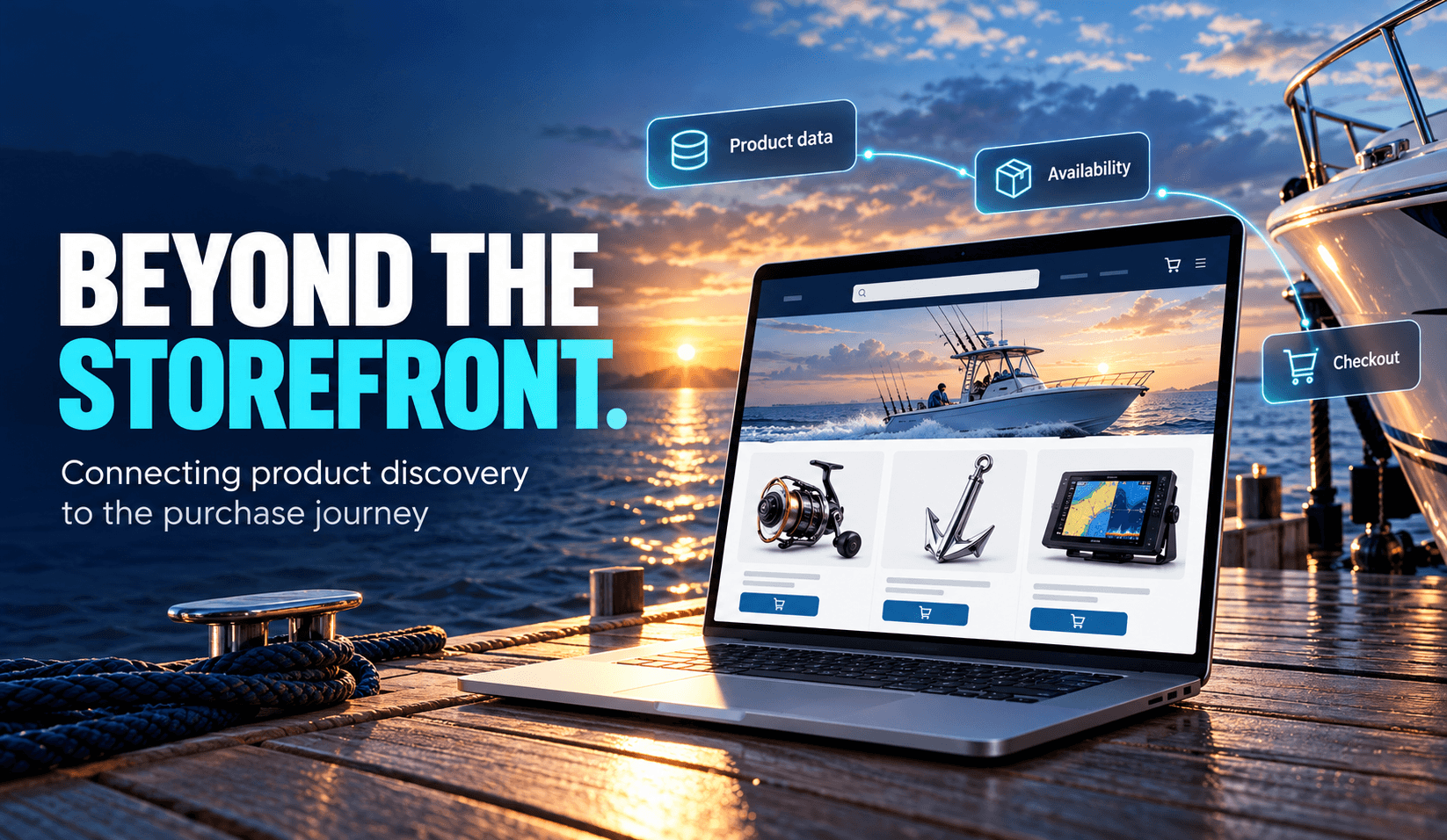
A marine retailer’s development story shows why product data, supplier availability and checkout need attention together.
A customer can find the right marine product and still leave without buying it.
The item may be unavailable. Its warranty information may be unclear. Or the payment may fail at checkout.
For one marine-equipment retailer, these concerns brought storefront design, supplier data and purchase reliability into the same conversation. Mediusware’s work expanded from investigating conversion problems into Shopify redevelopment, catalog preparation and integration testing.
The challenge extended beyond presenting products attractively. Shoppers needed enough information to choose equipment, availability they could act on and a working purchase process. Store operators needed product and order workflows that supported those steps.
This case study draws on the supplied project account. The client is unnamed, and reported implementation milestones are distinguished from verified business results. No before-and-after commercial improvement is established.
The retailer sold marine hardware, boat electronics, fishing equipment and boating accessories through a supplier-connected commerce model.
A shopper’s journey depended on several things working together: finding an appropriate product, understanding its details, checking availability and completing payment.
Behind the storefront, product information, pricing, stock updates and order processing needed to support that experience.
The project account identified concerns across this journey. Failed payments and checkout abandonment were reported. Pricing synchronization and order-email issues were discussed.
Product information did not consistently expose available supplier documentation, videos and accurate warranty details.
Stock shortages created another constraint: some products could appear in the catalog without being available to sell.
Each concern affected a different stage of the purchase. Missing information could leave a customer uncertain.
Unavailable inventory could prevent an otherwise suitable choice from becoming an order. A payment problem could interrupt someone who had already decided to buy.
Acquiring more visitors would not, by itself, resolve those obstacles. The project needed attention to what happened after a shopper arrived.
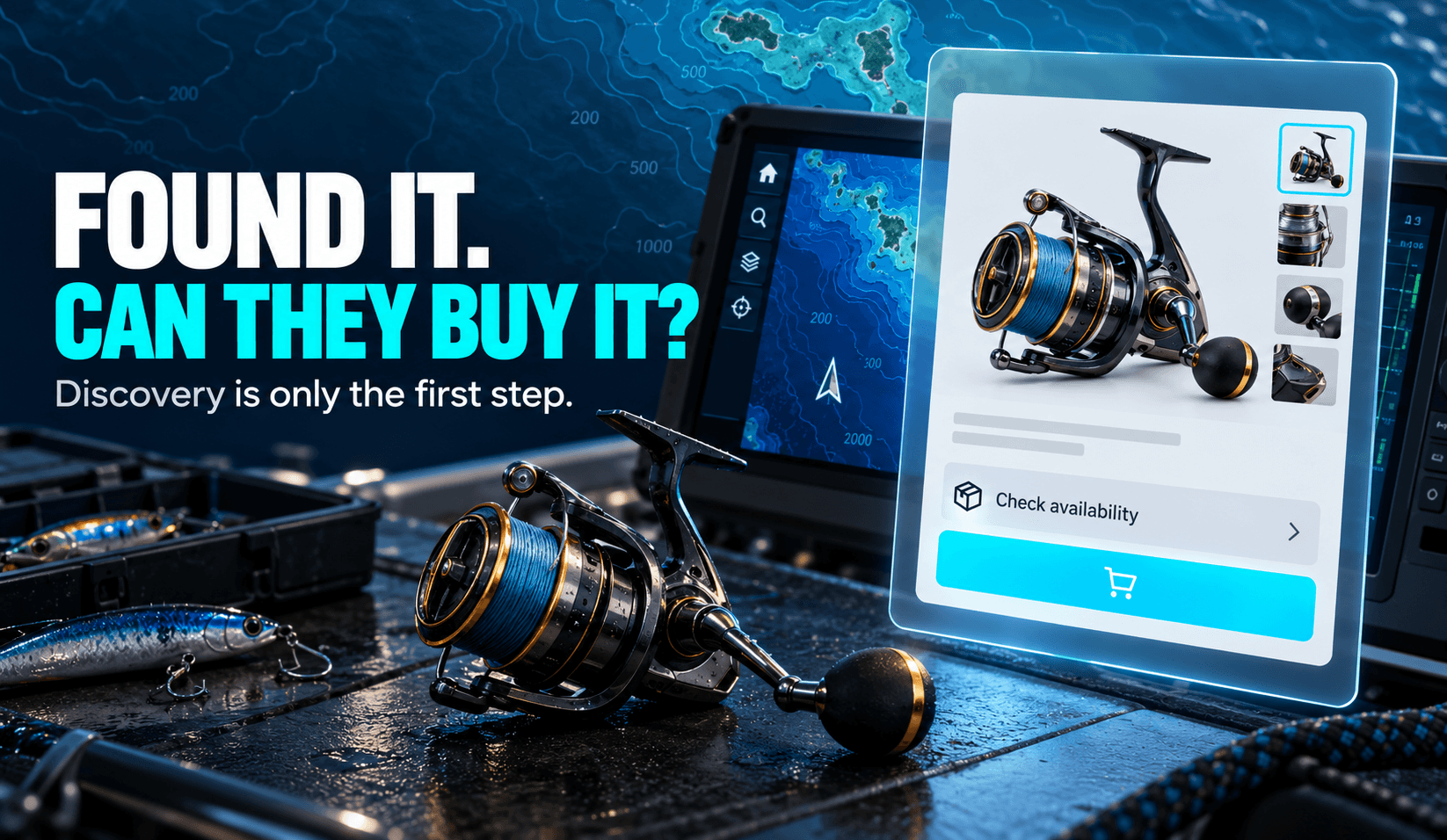
Mediusware inherited an existing WooCommerce store. The work later included Shopify redevelopment, migration preparation and integration changes.
The engagement involved an operating business with existing systems, product records and commercial constraints.
The supplied account describes work across several areas:
| Workstream | Reported activity |
| Conversion investigation | Reviewing shopping sessions, checkout drop-off and payment concerns |
| Storefront development | Shopify development and migration-related work |
| Catalog preparation | Correcting product metadata before the full migration |
| Integrations | Python-side fixes and Shopify integration testing |
| Store operations | Order processing, stock updates and new-product workflows |
| Quality assurance | Website reviews, live payment testing and integration checks |
At an October 2026 handover, development was reported complete and technical SEO was described as almost complete. Final client acceptance, the exact platform-transition date and the release history of individual changes remain unconfirmed.
The reported work nevertheless provides a concrete development story: the team addressed the storefront alongside the product data and connected operations behind it.
One of the clearest delivery dependencies concerned product metadata.
The project account describes holding the full catalog migration while metadata issues remained unresolved. Corrections were subsequently reported fixed and tested.
Moving product records does not automatically make them ready for a new storefront. Their content still needs to help customers identify and evaluate what they are buying.
Incomplete or incorrect metadata can carry an existing problem into the replacement platform. A migration may move a record successfully while preserving information that still needs correction.
For teams planning a similar transition, Shopify’s product import guidance explains how CSV files can transfer product information from another platform. It provides useful planning context, although the complete migration method used in this engagement remains unconfirmed.
The reported project sequence placed metadata work ahead of the full migration. However, the available account does not establish the complete mapping, validation or reconciliation process.
It also contains different references to migration progress and dataset size. Earlier updates discussed a smaller product set, while a later discussion described a much larger full-catalog migration. Those references cannot establish that the entire catalog was successfully migrated.
Final counts, exclusions and unresolved records still require confirmation.
The useful decision is the dependency itself: prepare the product data before treating the full catalog as ready to move.
The recorded product direction included richer information for technical and higher-priced marine equipment.
Specifications, accurate warranties, documentation and supporting media were discussed as ways to help buyers evaluate products. Completion of every proposed enhancement across the catalog was not confirmed.
The reasoning was tied to the buying decision. A product image and price may introduce an item, but a shopper researching equipment may still need documentation or technical details before choosing it.
The discussions identified opportunities to expose supplier videos and documents and to correct warranty information. These were specific content concerns that could affect a customer’s understanding of the product.
For retailers reviewing similar catalogs, the practical question is: what does the customer still need to know before making a confident choice?
A useful product-information review can examine:
These are recommended review points for similar projects, rather than documented acceptance criteria from this engagement.
They also create a verification responsibility. Information needs to apply to the product being shown. The available project account supports the direction of this work, but does not establish that every product page reached that standard.
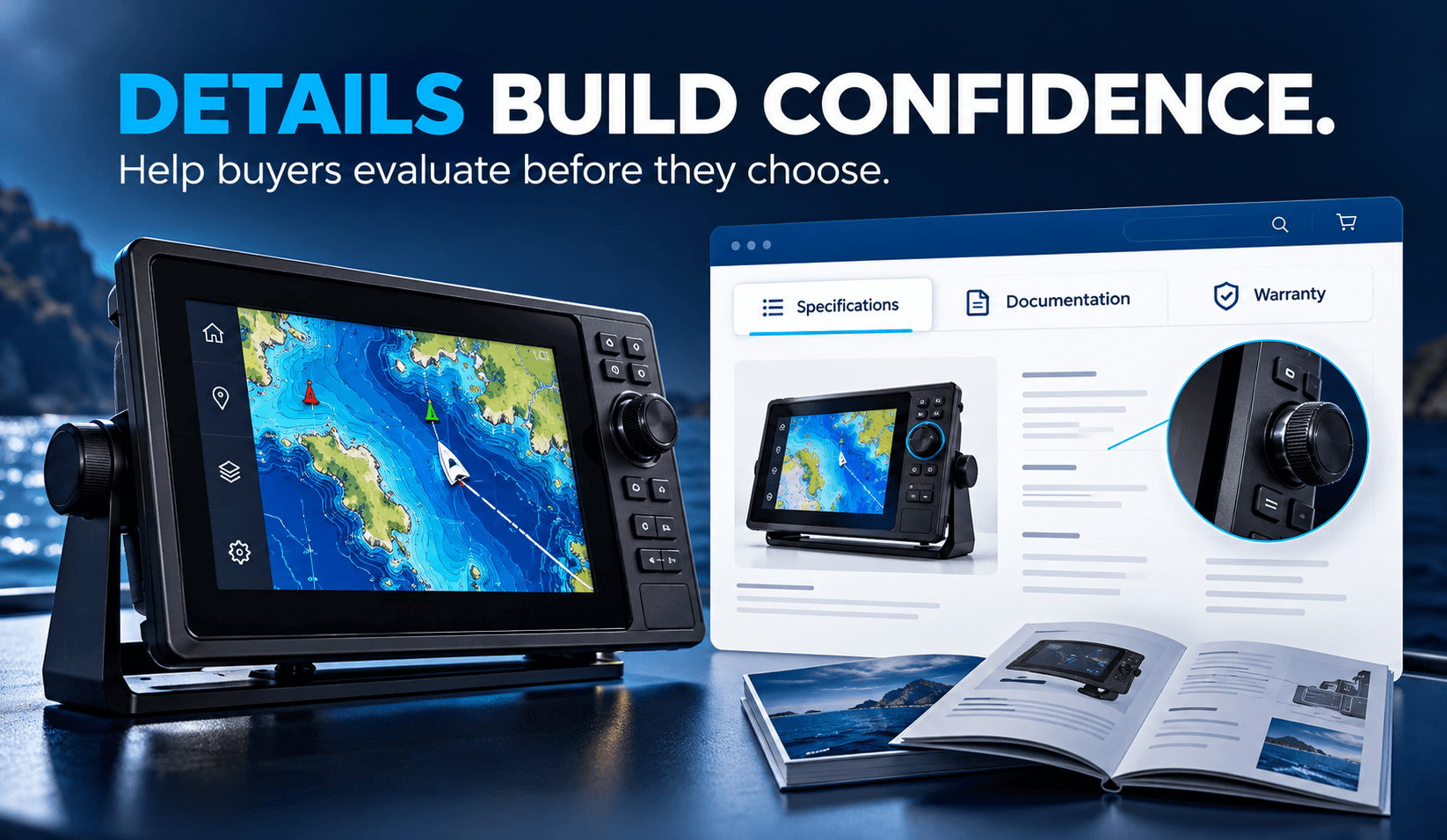
The supplier-connected model made upstream availability part of the customer experience.
A product’s presence in the catalog did not necessarily mean it was available to purchase. Stock shortages remained a concern at the later handover, alongside plans to onboard additional vendors.
The project account reports work on stock updates, new-product workflows and order processing. It also identifies fixes for discontinued-product handling and a back-in-stock integration issue.
| Workflow | Reported status |
| Stock updates | Reported properly implemented at handover |
| New-product workflows | Reported properly implemented at handover |
| Order processing | Reported properly implemented at handover |
| Discontinued-product handling | Python-side fix reported |
| Back-in-stock integration | Shopify-to-Python cross-origin issue reported fixed and tested |
Product records and inventory quantities also require distinct handling during bulk operations.
Shopify’s guidance on importing and exporting inventory explains how inventory CSV files identify products, variants and quantities at specified locations. This provides general context; it does not establish the mechanism used for this retailer’s supplier updates.
The reported implementation work does not establish refresh frequency, production error rates or end to end reliability.
For example, resolving a cross-origin issue addresses a communication problem between systems. It does not alone demonstrate that every back in stock notification reached its intended recipient.
Likewise, implementing stock updates does not prove that every item’s availability was current throughout every purchase.
Production monitoring and exception records would help determine how these workflows behaved after release.
Payment concerns were another reason the work could not stop at storefront presentation.
The supplied account describes failed payments, checkout abandonment, payment investigation and live testing. It does not provide a verified before-and-after payment-success rate.
For teams planning checkout validation, Shopify’s test-order guidance provides a starting point for simulating transactions. These checks can support investigation, while production transaction evidence remains necessary to evaluate actual purchase reliability.
A successful test provides evidence about the transaction and conditions tested. A broader reliability claim needs a record of the scenarios covered and subsequent production behavior.
The available project evidence therefore supports describing investigation and testing. It does not support claiming that payment failures were eliminated.
Abandonment also needs careful interpretation. A customer leaving checkout does not establish a single cause. The reported payment problems warranted investigation, but they should not be presented as the explanation for every incomplete purchase.
For a similar project, useful validation would examine whether payment status, order creation and customer communication remain consistent across relevant scenarios. Those checks would need to reflect the actual production configuration.
The business question is whether customers can complete purchases. Testing helps investigate that question; transaction evidence is needed to measure the result.

The October handover still identified stock shortages and additional-vendor onboarding as important next steps.
That continuing work explains a limit of the development milestone. Completing reported implementation work did not mean every constraint on selling had disappeared.
A retailer can improve its storefront and integrations while still having insufficient available inventory to support its marketing plans. Product promotion therefore needs to reflect what the business can currently sell.
The supplied account describes marketing and vendor expansion as next-phase concerns. It does not confirm that vendor onboarding was completed or that sales subsequently recovered.
This context gives a more useful picture of modernization: development, supplier relationships and commercial operations continue to affect the same customer journey.
The strongest supported account is of an inherited commerce platform undergoing storefront, catalog and integration work.
Specific fixes and operational workflows were reported complete or tested. However, implementation reports, production validation and business outcomes answer different questions.
| Evidence level | What can be said |
| Reported work | Conversion investigation, Shopify development, metadata corrections, integration fixes and QA were described |
| Reported milestone | Development and backend automation were reported complete at handover |
| Requiring confirmation | Full migration reconciliation, final acceptance dates and production scope of individual changes |
| Not established | Revenue growth, conversion improvement, reduced payment failures or staff time saved |
A results-led assessment would need original records and comparable measurement periods. Relevant measures could include payment success, checkout completion, catalog errors, stock-update exceptions and order-processing issues.
Until those measures are available, the contribution is best explained through the work performed and the decisions recorded.
For founders and retail leaders planning similar work, this project highlights 5 questions:
For this retailer, the reported work connected storefront redevelopment with metadata preparation, supplier-related workflows and payment investigation.
The next step in evaluating that work is to verify production behavior and measure its effect on completed purchases.
The reported work included Shopify redevelopment, catalog preparation, supplier-related integrations and checkout investigation.