-
Full-Stack Developers are proficient in both frontend (UI/UX) and backend (server-side) technologies.
-
Frontend development involves creating user interfaces, ensuring responsiveness, and making websites interactive.
-
Backend development handles the server, databases, and API integrations that support the functionality of a website.
-
Key skills for Full-Stack Developers include HTML, CSS, JavaScript, Node.js, and database management.
What is Full-Stack Web Development? How to Become a Skilled Full-Stack Developer?
1 min read
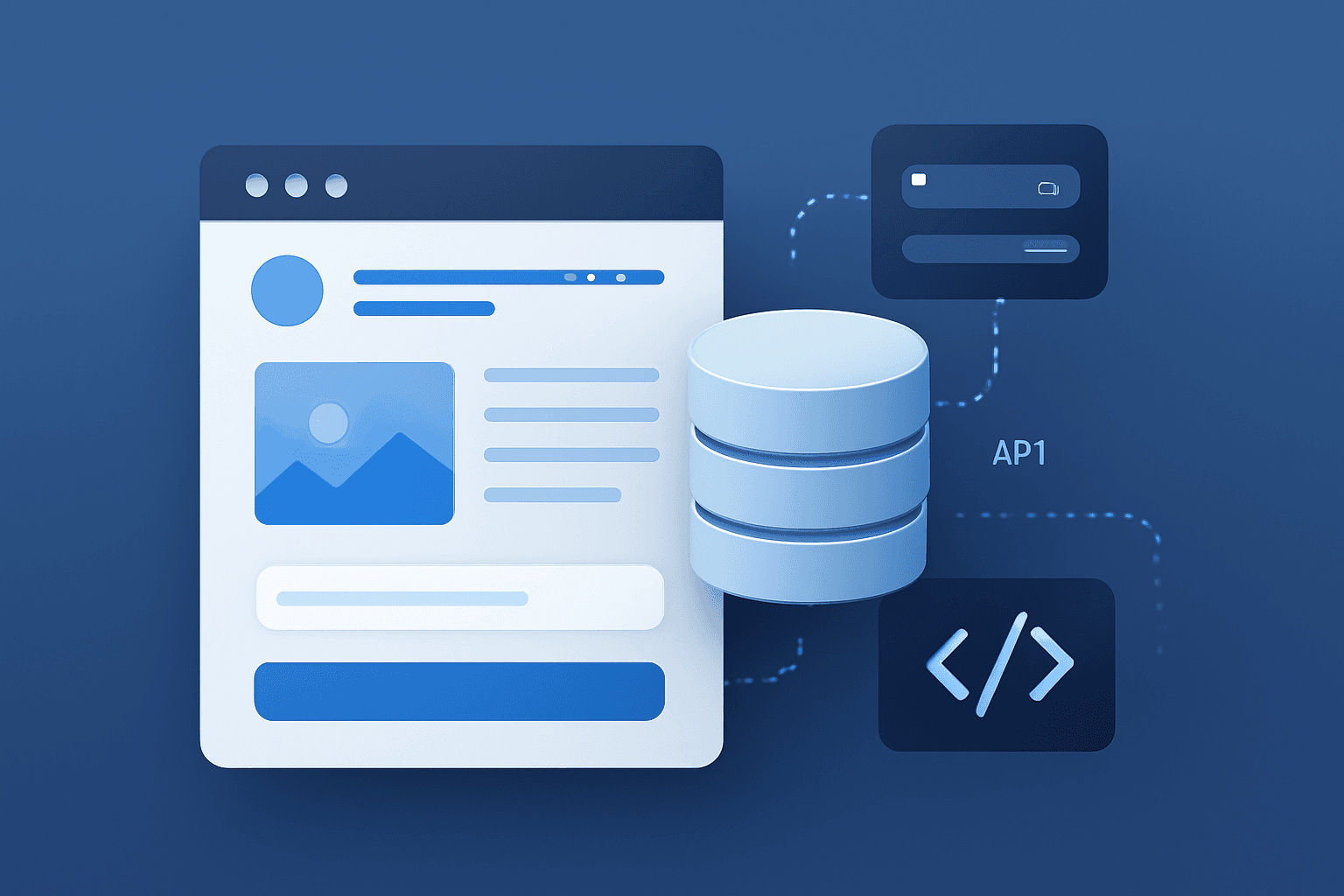
What is Full-Stack Web Development?
A Full-Stack Developer is someone proficient in both the frontend (client-side) and backend (server-side) of a web application.
The frontend refers to the visual elements of a web application—what the user sees and interacts with.
For example, when users visit a website, the layout, colors, buttons, forms, and overall design they experience are part of the frontend. Let’s first take a closer look at frontend development.
Frontend Web Development (Client-Side)
Frontend development focuses on the look and feel of a website. A Frontend Developer creates the user interface, ensuring it is visually appealing, functional, and user-friendly.
They also make the website responsive, meaning it adapts seamlessly to different devices (mobile, tablet, laptop).
This process is known as Responsive Web Design. Creativity, innovation, and imagination are key traits of a good frontend developer.
Backend Web Development (Server-Side)
The backend involves the parts of a website that users don’t see. Backend developers handle the server, database, and the logic that powers the website. For instance:
- Creating a server
- Connecting to a database
- Writing backend logic to send data to the frontend via APIs (Application Programming Interfaces)
Imagine you fill out a form on a website; the information you input is sent to a database via the backend. Backend developers ensure this entire process runs smoothly.
A Real-World Example of a Full-Stack Application
When you visit a site like https://mediusware.com/, you’ll first see a banner that says "Your Trusted B2B Partner in Software Solution."
Below it, as you scroll, you’ll notice various sections and navigation options like Blogs. The design, colors, and layout that you see—all these are the result of frontend development.
On the other hand, when you log in, your credentials (username, email, password) are processed and stored securely in a database. This process is powered by the backend, which ensures the information is validated and your identity is confirmed for access.
Additionally, if you buy something from a website and make a payment, the backend handles those transactions.
In short:
- The visual interface = Frontend
- The functionality and data processing = Backend
What Skills Do You Need to Become a Full-Stack Developer?
To become a Full-Stack Developer, you need to be proficient in technologies related to both the frontend and backend. Let’s break it down:
Frontend Skills:
- HTML (Hypertext Markup Language):
Forms the basic structure of a webpage (e.g., buttons, forms, links, paragraphs). - CSS (Cascading Style Sheets):
Adds style to the HTML structure—colors, layouts, animations, and responsiveness. - JavaScript:
Enables interactivity on web pages. Features like dropdown menus, animations, countdown timers, and more are powered by JavaScript. - CSS Frameworks (e.g., Tailwind CSS, Bootstrap):
These make frontend development faster by providing pre-built components and utilities. - JavaScript Libraries/Frameworks (e.g., React, Vue):
These tools help build dynamic and interactive web interfaces efficiently.
Backend Skills
- Backend Languages (e.g., Node.js, PHP, Python, Java):
Choose one based on your project requirements. Each has its own strengths. - Databases (e.g., SQL, MySQL, PostgreSQL, MongoDB):
Learn to store, retrieve, and manage data efficiently. - Version Control (e.g., Git, GitHub):
Helps track code changes and collaborate with others. - APIs and Server Management:
Learn to build and maintain APIs for seamless communication between the frontend and backend.
Popular Technology Stacks
Here are some widely used tech stacks among developers:
MERN Stack
-
MongoDB: A document-based NoSQL database.
-
Express.js: A web application framework for Node.js.
-
React: A component-based frontend library.
-
Node.js: A JavaScript runtime for building server-side applications.
Mastering these skills will set you on the path to becoming a proficient Full-Stack Developer, ready to tackle both the visual and functional aspects of web applications. Start your journey today! Stay connected.
Frequently Asked Questions
Responsive web design ensures a website looks and works well on all devices, such as phones, tablets, and desktops.

I work at the point where product decisions, system architecture, and engineering execution meet. At Mediusware, I’m accountable for how technology choices affect reliability, scale, and long-term delivery for our clients.
Featureblogs
Relatedblogs
01
How to Create a Stunning WordPress Website in 2024: Step-by-Step Tutorial02
How Mediusware Empowered Protesters, Strengthened the Economy & Showcased Employee Resilience in the 2024 Movement03
Mastering Error Handling in Rust with Essential Techniques04
Best Practices for Writing Clean Code05
Let's Deep Dive Into Threads with RustAuthorblogs
01
How Digital Agencies Can Deliver Custom Software Without Hiring Developers02
AI in FinTech: Build, Buy, or Integrate? A Founder's Decision Framework03
How to Choose a SaaS MVP Development Company04
How Seed-Stage SaaS Teams Add Engineering Capacity Without Hiring Chaos05
Why Seed-Stage SaaS Startups Struggle to Ship Fast