- Autonomous fraud defense uses adaptive intelligence to prevent risk real time while protecting experience.
- It reduces operational load, improves decision accuracy, and supports scalable, secure growth.
Quit Chasing Scammers: Why Autonomous Fraud Defense is the Smarter Business Play
1 min read

Fraud doesn’t wait. It learns.
While your team is reviewing yesterday’s suspicious transactions, fraud systems are already testing new patterns today.
That’s the real problem.
Most businesses aren’t losing because they lack fraud tools.
They’re losing because their system reacts after the damage is done.
And reacting is expensive.
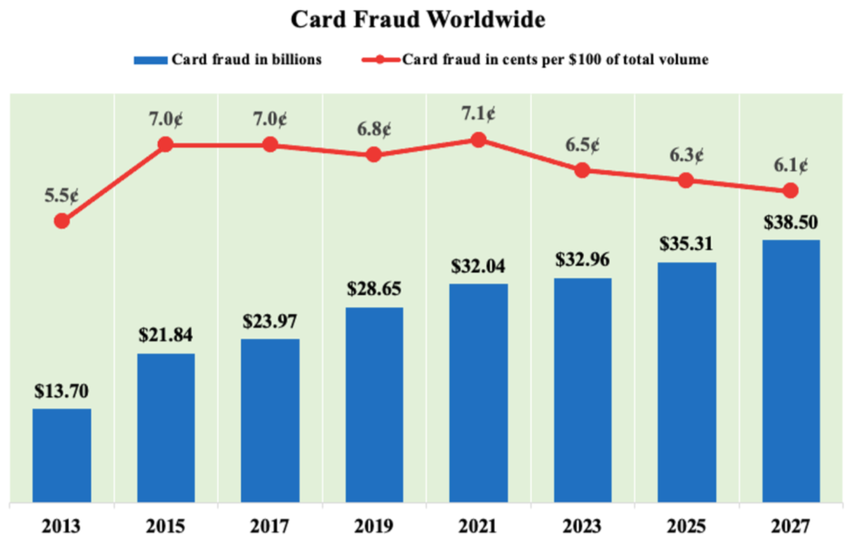 That’s not a tooling problem.
Why Traditional Fraud Detection Fails at Scale
Most systems rely on rules.
- If transaction > threshold → flag
- If IP mismatch → block
- If velocity spikes → review
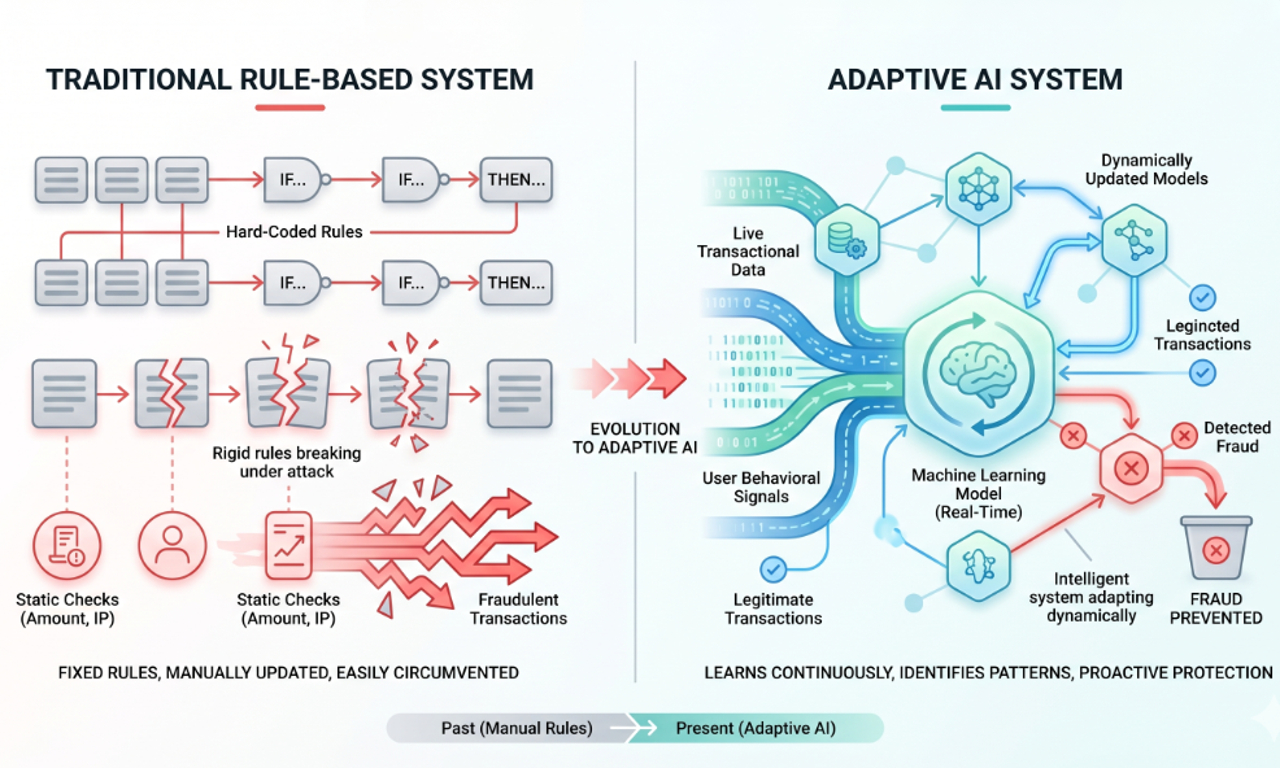
This worked when fraud was predictable.
It isn’t anymore.
Modern fraud systems:
- Automate attacks
- Rotate identities
- Exploit timing gaps
- Learn your rules
So every time you update a rule…
Fraud adapts faster.
The Pattern We See Across Scaling Platforms
From fintech to e-commerce, the loop is always the same:
| Stage | What Happens | Result |
| Fraud spike | New attack pattern | System reacts |
| Rule update | New filters added | Complexity increases |
| Fraud adapts | Bypasses rules | More noise |
| Team overload | Manual reviews grow | Slower decisions |
More rules don’t create security.
They create noise.
What Autonomous Fraud Defense Actually Means
Autonomous fraud defense doesn’t rely on fixed rules.
It learns continuously.
Instead of checking conditions, it evaluates context.
Core capabilities:
- Behavioral analysis
- Pattern recognition
- Real-time anomaly detection
- Dynamic risk scoring
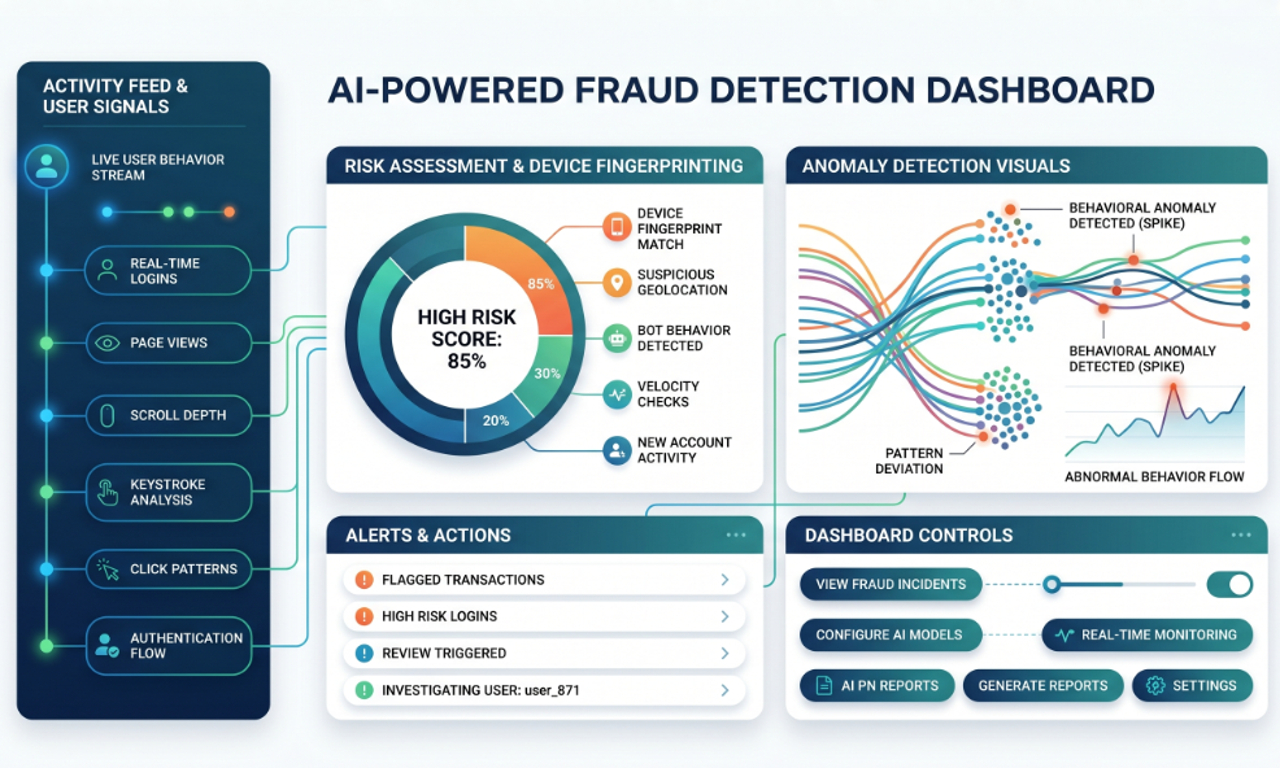
Instead of asking:
Does this transaction match a rule?
It asks:
- Is this behavior normal for this user?
- Does the device fingerprint match?
- Are there subtle deviations?
And it decides instantly.
When Should a Business Shift to Autonomous Defense?
You don’t need millions of transactions to justify it. You should consider the shift when:
- Fraud investigations consume significant team time
- Chargebacks are trending upward
- Manual review queues are growing
- Your fraud rules require constant patching
- You’re entering new markets or payment channels
Fraud complexity increases with growth. Waiting too long turns fraud management into an operational bottleneck. Shifting early makes it a competitive advantage.
The Business Impact: Not Just Security
Fraud defense isn’t only about stopping loss.
It’s about enabling growth without friction.
What changes with autonomous systems:
-
Fewer false positives
Legit users move freely.
-
Lower chargebacks
Fraud is stopped in real time.
-
Reduced operational cost
Less manual review.
-
Higher customer trust
Security becomes invisible.
-
Scalable protection
System improves with data.
We’ve seen this pattern in platforms we’ve built at Mediusware.
For example, systems like Bulk.ly reduce manual workload by centralizing decision-making and automation, which directly translates into efficiency gains.
Fraud systems follow the same principle.
Automation isn’t optional anymore.
It’s foundational.
When Should You Shift to Autonomous Defense?
You don’t need enterprise scale to justify this.
You need complexity.
Consider the shift when:
- Fraud reviews take significant team time
- Chargebacks are increasing
- Rules need constant updates
- Manual queues are growing
- You’re scaling to new markets
Waiting too long turns fraud into a bottleneck.
Moving early turns it into an advantage.
A Smarter Way to Think About Fraud
The shift is simple but powerful:
- From rule enforcement → adaptive intelligence
- From human overload → machine-supported clarity
- From reactive recovery → proactive prevention
As cybersecurity expert Bruce Schneier puts it:
Security is not a product, but a process.
Autonomous fraud defense is that process evolving.
Final Thought
Fraud will keep evolving.
The question is whether your system evolves with it.
If your current setup feels reactive, slow, or overwhelming,
It’s not a fraud problem.
It’s an architecture problem.
And that’s exactly what we help teams rethink at Mediusware.
Frequently Asked Questions
It is an AI-driven system that learns from behavior and detects fraud in real time instead of relying on fixed rules.

I work at the point where product decisions, system architecture, and engineering execution meet. At Mediusware, I’m accountable for how technology choices affect reliability, scale, and long-term delivery for our clients.
Featureblogs
Relatedblogs
Authorblogs
01
How Digital Agencies Can Deliver Custom Software Without Hiring Developers02
AI in FinTech: Build, Buy, or Integrate? A Founder's Decision Framework03
How to Choose a SaaS MVP Development Company04
How Seed-Stage SaaS Teams Add Engineering Capacity Without Hiring Chaos05
Why Seed-Stage SaaS Startups Struggle to Ship Fast