-
Revolutionized Delivery: SaaS transformed the software industry by moving from traditional licensing to cloud-based, subscription services.
-
Predictable & Affordable: The subscription model offers predictable revenue for providers and affordable access for customers, benefiting startups and small businesses.
-
Global Accessibility: Cloud infrastructure has enabled businesses to collaborate globally and access software tools seamlessly.
-
Future Trends: AI-powered SaaS and vertical SaaS tailored to industries like healthcare and retail are expected to shape the future of the market.
The Evolution of Software-as-a-Service (SaaS): How Subscription Models Are Reshaping the Software Industry
5 min read
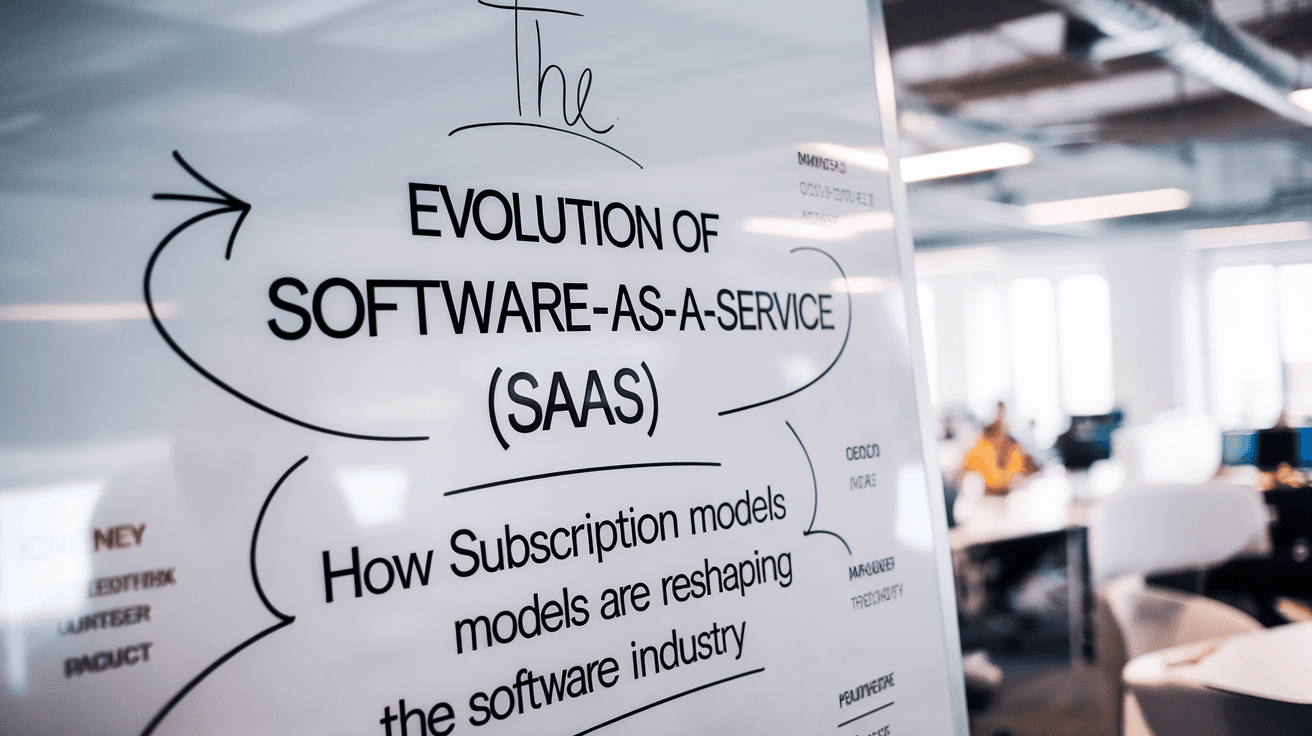
How SaaS is Revolutionizing the Software Industry
The software industry has experienced a tectonic shift in recent decades, and at the very heart of this change lies Software-as-a-Service.
Once dominated by traditional licenses of software and installations, the industry now thrives on a subscription model based on the cloud that redefined how businesses and consumers access technology.
Let's explore the birth of SaaS, its evolution over time, and how it is continuously changing the world of software.
The Rise of SaaS: A Shift in Software Delivery
It was the early 2000s, and inefficiency at which traditional software deployment was done called for a revolution: SaaS. The on-premise machine installation required upfront capital investment, complex configurations, and growing maintenance.
With SaaS, this is hosted in the cloud, delivered over the internet to any user, any time, from any location, without heavy infrastructure.
Companies like Salesforce spearheaded this movement to show the potential of SaaS in making scalable, cost-effective solutions available.
The Subscription Model Revolution
Central to the success of SaaS is the pricing model based on subscriptions. This is different from customers acquiring perpetual licenses, where they pay a recurring usage fee monthly or annually. The advantages will include:
- Predictable Revenue for Providers: With this, businesses are able to predict revenues with more precision to allow better resource allocation and innovation.
- Affordability by Customer: The less upfront cost to the customer, the more affordable it is for smaller businesses and startups, democratizing advanced technology.
- Ongoing Upgrades: The subscribers receive regular updates, hence always using the latest version without additional costs or complex installations.
Why SaaS is Dominating the Market
Several factors have catapulted SaaS to its leading position in software delivery methods:
- Cloud Infrastructure Advancements: The growth of reliable, scalable cloud platforms like AWS, Microsoft Azure, and Google Cloud has made hosting SaaS applications more accessible and efficient.
- Global Accessibility: SaaS enables remote teams and global businesses to access tools seamlessly, fostering collaboration and efficiency.
- Data-driven decisioning: Many SaaS solutions weave in analytics and AI, equipping users with real data to drive growth.
Challenges in the SaaS Era
While SaaS offers benefits unrivaled, the technology does have its challenges. Data security and compliance are chief concerns, especially when sensitive information is handled, such as in the case of industries.
Moreover, as the subscription model becomes omnipresent, customers may start feeling "subscription fatigue," where subscribers will be more circumspect about recurring costs. SaaS providers should balance innovation with affordability to maintain customer loyalty.

The Future of SaaS: What’s Next?
The SaaS industry is set to evolve further as technology advances: Expect AI-powered SaaS solutions to become more mainstream, with better automation and personalization.
Vertical SaaS will also be on the rise as businesses seek tailored solutions for healthcare, retailing, and manufacturing industries.
Moreover, hybrid models of SaaS might also emerge, blending the flexibility of SaaS with the on-premise software control that may be required by specific uses.
Final Thoughts
SaaS has revolutionized the software industry, changing the way companies and individuals engage with technology.
By driving out conventional models, SaaS has made software solutions more accessible, easily scalable, and innovative on subscription-based, cloud-hosted solutions.
As the industry continues to evolve, SaaS will remain a cornerstone of digital transformation that fuels both efficiency and innovation across all sectors.
Frequently Asked Questions
SaaS (Software-as-a-Service) is a cloud-based software delivery model where applications are hosted online and accessed via the internet. Unlike traditional software, which requires upfront purchase and installation on individual devices, SaaS operates on a subscription model and eliminates the need for on-premise infrastructure.

I work at the point where product decisions, system architecture, and engineering execution meet. At Mediusware, I’m accountable for how technology choices affect reliability, scale, and long-term delivery for our clients.
Featureblogs
Relatedblogs
01
How to Create a Stunning WordPress Website in 2024: Step-by-Step Tutorial02
How Mediusware Empowered Protesters, Strengthened the Economy & Showcased Employee Resilience in the 2024 Movement03
Mastering Error Handling in Rust with Essential Techniques04
Best Practices for Writing Clean Code05
Let's Deep Dive Into Threads with RustAuthorblogs
01
How Digital Agencies Can Deliver Custom Software Without Hiring Developers02
AI in FinTech: Build, Buy, or Integrate? A Founder's Decision Framework03
How to Choose a SaaS MVP Development Company04
How Seed-Stage SaaS Teams Add Engineering Capacity Without Hiring Chaos05
Why Seed-Stage SaaS Startups Struggle to Ship Fast